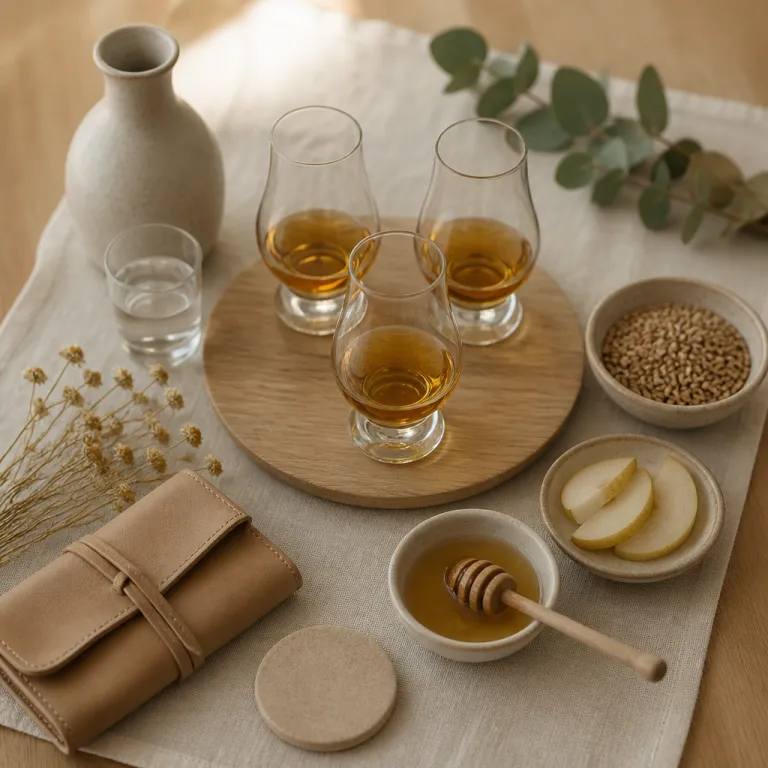
Mindful whiskey tour of the world as a cultural wellness journey
Approaching a whiskey tour of the world through a wellness lens changes everything. Instead of chasing the world’s best bar lists, you move slowly, breathe deeply, and let each region’s culture, history, and landscape shape your experience. This shift turns a simple whisky tour into a restorative world journey that nourishes both body and mind.
Mindful travelers often worry that whiskey and wellness cannot coexist in the same world. Yet when you treat each glass of whisky or whiskey as a cultural artifact, with space between sips and attention to your own limits, the ritual becomes contemplative rather than excessive. You start to learn how distilleries and their surrounding communities use grain, water, and time to express identity, much like wine regions do through terroir.
On a slow world tour itinerary, you might begin with gentle coastal walks near Scottish distilleries such as Ardbeg or Glenfiddich, then journal tasting notes in a quiet café instead of rushing to the next bar. You could read books about the history and traditions of each region before visiting, using them as mindful prompts rather than checklists. This approach respects the whisky industry as a world-leading cultural force while keeping your nervous system calm and your values centered. As you travel, you may also notice regional spelling differences: “whisky” in Scotland and Japan, “whiskey” in Ireland and much of North America, each reflecting local heritage.
Scotland to Ireland: slow rituals, coastal walks, and mindful tastings
Scotland remains the spiritual heart of many whisky world journeys, yet a wellness-focused traveler experiences it differently. Instead of racing through distillery tours, you might pair a single visit to a place like Lagavulin or GlenDronach with a long coastal walk, a simple picnic, and quiet time to write tasting notes about one carefully chosen dram. This slower rhythm lets you feel how Scotch whisky traditions grew from harsh climates, resilient communities, and centuries of patient craft.
On the Scottish coast, mindful travelers often combine a whisky tour with restorative activities such as sea-air breathing exercises or gentle yoga near the shore. If you are planning time in Fife, this guide to mindful things to do in St Andrews for a restorative coastal escape pairs beautifully with visits to nearby distilleries. You might taste a limited world edition release in the evening from a producer such as Highland Park or Talisker, then reflect on its aroma notes while watching the changing light over the water.
Crossing to Ireland, many travelers notice how the history and narrative of whiskey shift toward triple distillation, lighter styles, and a different relationship with rye and grain. Here, you can learn about local distilleries such as Midleton, Teeling, or Bushmills through small group tours that emphasize storytelling, community, and responsible enjoyment rather than loading your schedule with back-to-back tastings. Paying attention to price in GBP or euros, and choosing fewer but higher quality experiences, supports sustainable business models and your own sense of balance.
North America: mindful encounters with bourbon, rye, and Indigenous histories
North America adds another layer to a whiskey tour of the world, especially when you travel with cultural sensitivity. In Kentucky and Tennessee, the relationship between Old World whisky techniques and New World grains becomes clear as you see how European methods adapted to corn, new climates, and trade routes. A mindful traveler listens for the often complex history and whiskey stories, including the roles of enslaved people, Indigenous communities, and small family businesses behind brands such as Jack Daniel’s, Maker’s Mark, or Woodford Reserve.
When you visit distilleries in the United States, look for experiences that balance education, movement, and rest rather than constant loading of your schedule. Some venues now offer walking paths through grain fields, meditation spaces overlooking warehouses, or yoga sessions followed by carefully guided tastings of bourbon, rye, and corn whiskies. Regional festivals and tasting events that showcase whiskies of the world demonstrate how large-scale gatherings can still prioritize learning, cultural context, and responsible enjoyment when thoughtfully designed.
These whiskies of the world style events often combine in-person tastings, seminars, and even virtual reality distillery tours that let you skip content overload and focus on what matters. Attendance numbers and participating distillery counts vary by organizer and year, so always check current details rather than relying on assumptions. For a different kind of mindful immersion in regional culture, consider pairing your whiskey-themed travels with experiences like the mindful immersion at the Scotland County Highland Games in North Carolina, where movement, music, and heritage balance any tastings you choose.
Asia and the Pacific: contemplative spaces and world leading craftsmanship
As your whisky tour extends into Asia and the Pacific, the tone often becomes more meditative. Japanese world whisky producers, for example, draw on Zen aesthetics, precise craftsmanship, and deep respect for nature, which aligns naturally with wellness-focused travel. Many distilleries are set amid forests or mountains, inviting you to walk slowly, breathe the cool air, and let the landscape frame each sip.
In Japan, a mindful whiskey tour of the world might include tea ceremonies, onsen bathing, and silent time in gardens between distillery visits. You can learn how local whiskies such as Yamazaki, Hakushu, or Yoichi borrow techniques from both Scotch traditions and American rye or bourbon cask maturation, then reinterpret them through Japanese water, climate, and design. Paying attention to tasting notes here becomes a form of meditation, as you notice subtle shifts in aroma, texture, and finish with each world edition release.
Further south, emerging whisky world scenes in places like Tasmania or New Zealand often emphasize sustainability, small-scale business models, and low-impact tourism. Many producers publish transparent information about price, shipping options, and environmental practices, allowing you to align your cart items and delivery choices with your values. Choosing to book distillery visits that prioritize local employment and gentle land use, such as Lark or Hellyers Road in Tasmania, turns your world tour into a quiet act of support for world-leading responsible production.
Designing a wellness aligned whiskey itinerary and mindful tastings
Designing a wellness-aligned whiskey tour of the world starts with intention rather than with price comparisons alone. Begin by clarifying how many tastings per day feel comfortable for your body, then double that number in rest periods filled with walking, stretching, or journaling. This simple ratio helps you avoid overloading your senses while still engaging deeply with whisky and whiskey culture.
When planning, think of your trip as a curated world edition of experiences rather than a frantic advent calendar of distillery stamps. Choose a few star distilleries you truly want to learn about, then book visits that include time for questions, slow sipping, and space to write tasting notes. Reading reviews and customer feedback with discernment helps you identify tours that emphasize education, safety, and respect for local communities.
During tastings, treat each glass of world whisky or regional wine as a mindfulness exercise. Notice the color, the aroma notes, and the way the liquid moves in the glass before you taste. Then pause between sips, check in with your body, and remember that the goal of this world tour is not volume but presence, connection, and cultural understanding.
Practical ethics: budgets, privacy, and mindful purchasing on the road
Ethical and mindful travel also extends to how you handle money, data, and purchases during a whiskey tour of the world. Before you go, set a clear budget in your home currency and, if relevant, convert it into GBP or other local units so you can track spending calmly. This helps you evaluate each price, add only meaningful cart items, and avoid impulse buying that clashes with your wellness goals.
When ordering bottles for delivery or shipping, take time to read each seller’s conditions on privacy and data protection. Many online shops now explain how they handle customer reviews, how they process payments, and what happens to your personal information after loading your cart. Treating these policies with the same attention you give to tasting notes is another way to practice mindfulness and self-respect.
Some travelers like to keep a small notebook where they record the history and whiskey stories behind each purchase, including the distillery’s business practices and community impact. Over time, this becomes a personal set of books that trace your journey through the whisky industry and whisky world. For a complementary perspective on mindful marine wildlife travel that balances intensity and care, you can read this mindful guide to La Paz whale sharks and eco friendly Sea of Cortez journeys and apply similar principles to your world whisky adventures.
Key figures for mindful whiskey and whisky travel
- Industry reports on whiskies of the world style festivals note that dozens to hundreds of participating distilleries can appear across a full season of events, giving mindful travelers a broad yet curated snapshot of the whisky industry without needing to rush between dozens of sites.
- Attendance at major whiskey tasting events often ranges from a few hundred to several thousand guests, with timed entry or session formats helping those who need quiet corners and slower pacing.
- Global interest in whiskey tourism has risen alongside the growth of craft distilleries, encouraging more world-leading producers to design tours that integrate education, wellness, and cultural context.
- Virtual reality distillery tours, now used by some organizers, reduce the need for constant physical travel while still allowing travelers to learn about distant whiskies in a low-impact way.
FAQ: mindful whiskey tour of the world
What is Whiskies of the World and how does it fit mindful travel ?
Whiskies of the World is a name used by organizers for series of whiskey tasting events that bring together a wide range of distilleries and attendees in one venue. For mindful travelers, these gatherings offer a way to sample whiskies from many regions in one place, reducing the need for constant flights while still supporting the whisky industry. By choosing seminars and slower-paced sessions, you can align the experience with wellness-focused goals.
How can I attend a whiskey tasting event responsibly ?
You can attend by purchasing tickets through each event’s official website, then planning your schedule with rest and hydration built in. Many organizers recommend that you book tickets early, check age restrictions, and arrange transportation in advance so you are not rushed. Once there, limit the number of tastings, focus on learning, and use spittoons when needed to keep the experience balanced.
Are there age restrictions for whiskey events and distillery tours ?
Most whiskey tasting events and distillery tours in the United States require attendees to be at least 21 years old, and similar age limits apply in many other countries according to local law. Always verify the specific policy when you book distillery visits, especially if you are traveling with younger companions. Respecting these rules is part of a broader culture of safety and responsibility around whisky and whiskey.
Can a whiskey focused trip really align with wellness and mindfulness ?
A whiskey focused trip can align with wellness when you prioritize moderation, cultural learning, and restorative activities between tastings. Choosing fewer, higher quality experiences, walking between sites when possible, and integrating practices such as journaling or meditation all support this balance. The key is to treat each glass as a cultural lens rather than a goal in itself.
How should I evaluate price, shipping, and privacy when buying bottles on the road ?
When you consider price and shipping for bottles, compare options calmly, convert costs into your home currency, and avoid pressure to buy quickly. Read each seller’s conditions on privacy and data handling before adding items to your cart, and favor businesses that explain their policies clearly. This approach keeps your financial and digital wellbeing aligned with the mindful spirit of your whiskey tour of the world.