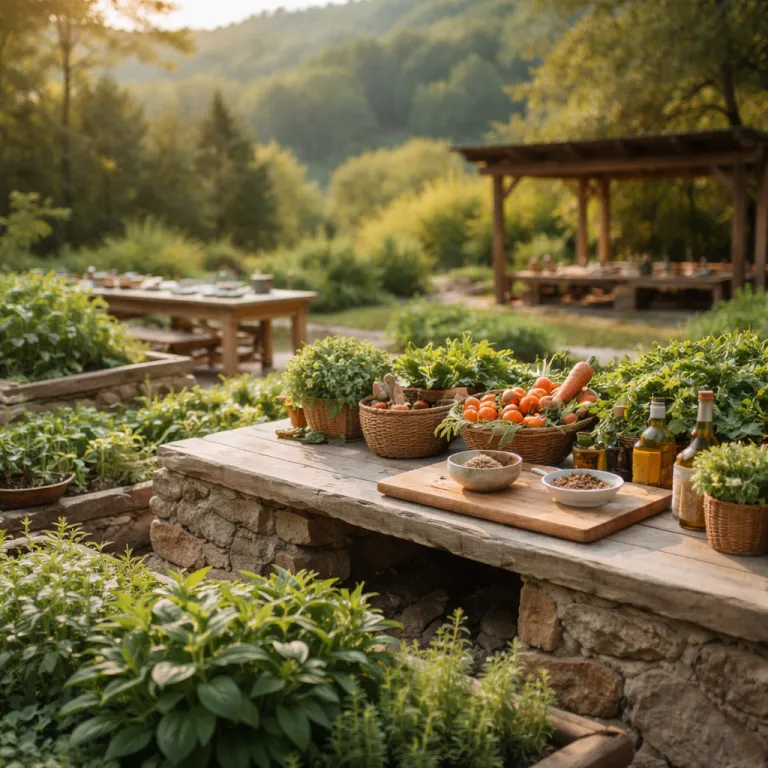
Culinary wellness retreats: where cooking, yoga, and mindful travel meet
Culinary wellness retreats: where cooking, yoga, and mindful travel meet
From spa robe to chef’s apron: why the kitchen is the new sanctuary
A culinary wellness retreat treats the kitchen as a meditation hall. The most interesting wellness retreats now place culinary practice beside yoga and breathwork, not as an afterthought but as a primary path to balance. When food becomes a daily ritual rather than a rushed refuel, people finally sense how cooking can reset the nervous system.
Across the United States, from the Hudson Valley to Texas Hill Country, hosts are designing culinary retreats where hands-on cooking sessions sit next to yoga and meditation on the schedule. At The Forks Resort & Residences in New York, for example, the team describes its approach as “turning every shared meal into a guided conversation about how you want to live when you go home,” framing each day around communal tables that feel more like intimate salons than standard buffet service. In Wimberley, Texas, the chef-led programmes at Eat Chingon and Café Vida follow a similar rhythm, with small-group classes capped at around 8–12 participants to keep instruction personal and interactive. Nature Space Resort’s Nourish Your Soul programme in Costa Rica echoes this structure, with two to five days of cooking classes, mindful eating, and quiet time built into every retreat day.
Organisers often describe a culinary wellness retreat as “a program combining cooking education with wellness activities.” That simple definition hides a deeper shift, where culinary arts, evidence-based nutrition, and yoga experience are woven into one coherent narrative of care. The result is a wellness retreat that feels less like a packaged escape and more like a rehearsal for how you want to live back home.
Food as medicine: functional nutrition, plant based menus and microbiome thinking
The most forward-thinking culinary retreats now treat food as a diagnostic tool. At places such as SHA Wellness Clinic in Spain, menus are shaped by nutritional genomics and gut microbiome testing, so every plate in the culinary wellness retreat becomes a personalised prescription. SHA’s nutrition team notes that “guests typically complete a detailed health assessment before arrival, allowing us to tailor menus to blood sugar, cardiovascular risk, and digestive needs,” which is where cooking wellness moves beyond trend and into evidence-based nutrition practice.
Plant-based cooking is central, but not dogmatic, with chefs using food plant diversity to support microbiome health rather than simply removing animal products. You might start the day with a gentle yoga retreat session, then move into hands-on cooking workshops that teach how to build plant-based bowls calibrated for blood sugar stability and sustained energy. Between classes, guests often explore complementary rituals such as energized hydration practices, which you can read more about in this guide to energized water and mindful travel integration.
Retreats in Costa Rica and the United States are especially strong at linking food and mood, with nutritionists explaining how evidence-based nutrition choices influence sleep, anxiety, and recovery. Over several days, a culinary retreat becomes a live laboratory where you test how different foods land in your body, supported by yoga, meditation, and journaling. By the final day, most people leave with a personalised template for cooking retreat-style meals that feel both indulgent and therapeutic.
Place matters: from Chiang Mai farms to retreat Tuscany and retreat Bali tables
Location shapes the soul of any culinary wellness retreat, because terroir is a wellness tool. In Chiang Mai, Thailand, many retreats now begin the day in organic gardens, where guests pick herbs before stepping into open-air cooking classes. Gastronomy here is framed as “a way to nurture your body and soul” through food that still smells of the soil it came from, with farm partners typically limiting groups to around a dozen participants so everyone can harvest and cook.
In retreat Bali programmes, the rhythm often moves from sunrise yoga experience to market visits, then back to the kitchen for hands-on cooking sessions using coconut, turmeric, and local greens. Over several days, the retreat becomes a cultural immersion, with Balinese healers explaining how ceremonial food plant offerings relate to emotional balance. In retreat Tuscany and across Italy more broadly, culinary retreats lean into slow lunches, olive oil tastings, and pasta making that doubles as breathwork, each wellness retreat day anchored by long communal tables and seasonal menus that change every few weeks.
Couples from the United Kingdom and the United States often choose Costa Rica or coastal Italy when they want both surf and saucepans in the same week. For those curious about pairing mindful gastronomy with movement at sea, wellness-minded travelers can also look at this guide to wellness cruises that elevate mind and body. Whether you are in Costa Rica, Bali, or Tuscany, the most memorable retreats use local culinary arts to tell stories about land, history, and resilience.
Inside the programme: how a three day cooking retreat actually feels
A well-designed three day culinary retreat follows a clear but spacious arc. Arrival usually begins with a light meal and a yoga or meditation session, giving people time to land before the first cooking classes. Organisers recommend that guests check retreat schedules in advance, pack comfortable clothing, and inform hosts of dietary restrictions so the wellness team can prepare.
On a typical day at The Forks Resort & Residences in the United States, mornings might start with a yoga retreat practice, followed by a breakfast that showcases seasonal food plant ingredients from nearby farms. Late morning brings hands-on cooking workshops led by local chefs or partners such as Uproot Culinary, where you learn knife skills, sauces, and cooking wellness techniques for everyday life. Afternoons are often left free for rest, nature walks, or spa time, before everyone returns to the kitchen for a collaborative culinary arts session.
Nature Space Resort’s Nourish Your Soul programme in Costa Rica keeps group sizes around ten participants, which encourages conversation and detailed feedback during classes. Over two to five days, you cycle between mindful eating, yoga experience, and practical cooking retreat modules that you can replicate at home. Community meals become informal reviews of the day’s learning, where people share what worked, what surprised them, and which recipes feel sustainable beyond the retreat.
How to choose a culinary wellness retreat with real depth
Selecting the right culinary wellness retreat means reading beyond glossy photos. Start by looking for clear details about who leads the cooking classes, whether nutritionists are involved, and how yoga or meditation is integrated into the daily rhythm. Serious programmes in the United States, Costa Rica, Italy, and the United Kingdom will name their teachers, outline the number of days, and explain how they handle dietary needs.
Next, pay attention to how a retreat talks about food and wellness, because language reveals philosophy. You want culinary retreats that frame food as a relationship rather than a rigid rulebook, and that offer both plant based options and high quality animal proteins where appropriate. Read participant reviews carefully, focusing on comments about the depth of teaching, the balance between free time and structure, and whether people felt supported in integrating changes back home.
For couples planning a romantic escape, consider whether the retreat offers enough privacy between group sessions and whether the setting matches your shared travel style. Some will prefer the quiet of a Hudson Valley forest, others the tropical intensity of Costa Rica or the layered culture of Italy, which you can explore further in this guide to mindful journeys through Italy for wellness seekers. The best wellness retreat for you is the one where the kitchen, the mat, and the landscape all feel like extensions of the same thoughtful retreat experience.
FAQ
What is a culinary wellness retreat ?
A culinary wellness retreat is a structured programme where cooking education, mindful eating, and wellness practices such as yoga and meditation are combined. Organisers describe it succinctly as “a program combining cooking education with wellness activities.” Unlike a standard cooking holiday, the focus is on how food, movement, and rest work together to support long term health.
Who can attend these retreats ?
Most culinary retreats are open to all, from beginners who barely cook to experienced home chefs seeking refinement. Group sizes typically sit around ten participants, which allows teachers to adapt hands-on cooking sessions to different skill levels. Couples, solo travelers, and small groups of friends all tend to feel comfortable in this format.
Are dietary restrictions usually accommodated ?
Retreat organisers in destinations such as the United States, Costa Rica, and Italy generally accommodate a wide range of dietary needs. Guests are encouraged to inform hosts of allergies, intolerances, and preferences well before the first retreat day. This advance notice allows chefs and nutritionists to design menus that feel both safe and satisfying.
How long does a typical culinary retreat last ?
The average duration for a culinary wellness retreat is around three days, though some programmes extend to five or more. Shorter formats often run from Friday to Sunday, ideal for busy professionals seeking a reset without using much annual leave. Longer retreats allow deeper immersion into culinary arts, yoga practice, and lifestyle coaching.
What should I look for when reading reviews ?
When scanning reviews, focus on comments about teaching quality, not just scenery or décor. Look for feedback on how practical the recipes were, whether the yoga experience felt inclusive, and how well the team handled dietary needs. Consistent praise for thoughtful staff, clear communication, and balanced schedules is a strong indicator of a high calibre wellness retreat.
