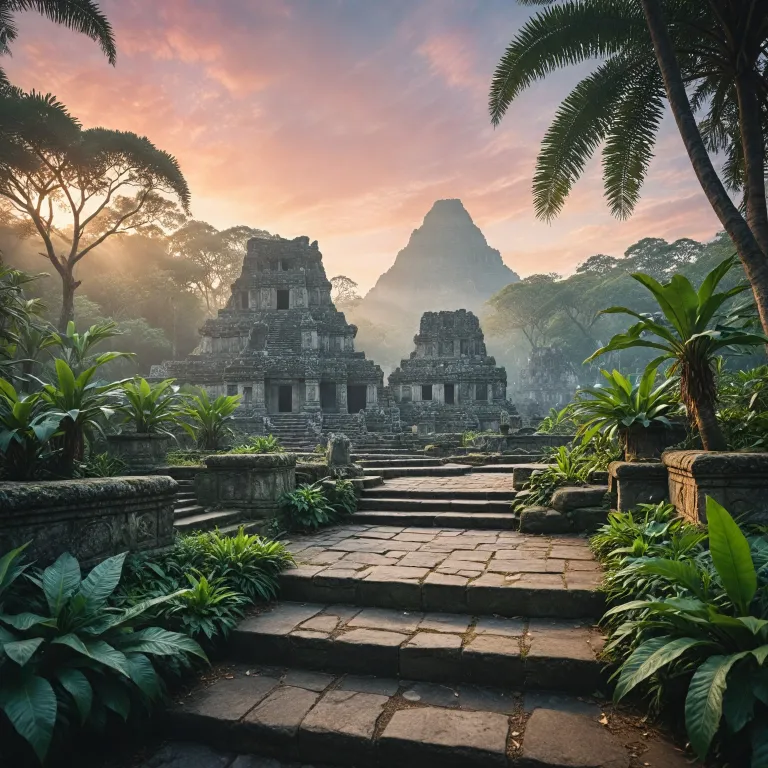
Tracing where the Mayan ruins are for mindful travel
Understanding where the Mayan ruins are is the first step toward planning a restorative journey that respects both body and mind. Across México, Guatemala, Belize, Honduras, and El Salvador, the ancient Maya civilization left a constellation of archaeological sites that invite slow, contemplative travel. When you approach each city or ceremonial site with intention, every stone staircase and jungle path can become part of your wellness practice.
The Maya civilization flourished from the Preclassic to the Postclassic periods, with the Classic period marking the height of urban development and artistic expression. Many of the most impressive Mayan ruins date from the late Classic, when temple pyramids, observatories, and palace complexes transformed the forest into sacred cities. Today, these ancient Mayan structures are protected archaeological sites, where preservation guidelines help safeguard both cultural heritage and the serenity of the environment.
For mindful travelers, the question is not only where are the Mayan ruins, but how to visit them in a way that supports inner balance. Moving slowly through Maya ruins allows you to feel the shift from busy modern life into the rhythm of the forest and stone. Simple practices such as conscious breathing, gentle stretching, and quiet observation can turn each ruins visit into a moving meditation.
Before you visit any Maya sites, it is essential to check accessibility and safety, especially in more remote regions of Central America. Some areas of México, particularly in Chiapas, can be affected by local conflicts, so current advice from authorities and local guides is invaluable. Hiring local experts not only enriches your understanding of Maya history, but also supports communities that act as guardians of these ancient sites.
Yucatán peninsula sanctuaries: Chichén Itzá, Tulum, and beyond
The Yucatán Peninsula in México is often the first answer when travelers ask where are the Mayan ruins that are easy to reach yet still atmospheric. Here, Yucatán México and Quintana Roo host some of the most iconic Mayan sites, including Chichén Itzá, Tulum, and lesser known sanctuaries that lend themselves beautifully to mindful exploration. Each site offers a different balance of sea breeze, jungle shade, and cultural depth for your wellness focused itinerary.
Chichén Itzá, perhaps the most famous of all Mayan ruins, showcases the sophistication of ancient Maya astronomy and architecture. The main pyramid at this ancient city, often associated with the classic period, aligns with celestial events that once guided agricultural and ceremonial life. Walking the wide plazas at a gentle pace, you can reflect on how the Maya civilization integrated sky observation, mathematics, and spirituality into daily existence.
On the Caribbean coast of Quintana Roo, the walled city of Tulum offers a different kind of mindful experience. Here, the ruins stand on cliffs above turquoise water, inviting you to pair historical reflection with the calming effect of ocean views. Arriving early in the morning, before the crowds and heat, allows you to move quietly through this ancient site and pause for breathing exercises facing the sea.
Within Cozumel, the sanctuary of San Gervasio provides a more intimate setting among trees and birdsong. These Maya ruins were once a pilgrimage destination, and today they suit travelers seeking a quieter ruins visit with space for contemplation. As you plan your route through Yucatán México, you can also weave in restorative activities such as gentle cycling, ocean swimming, or even mindful reading about herbal wellness, much like learning from a guide to herbs and holistic practices.
Deep jungle retreats: Calakmul, Tikal, and the quiet of the forest
For travelers who want to understand where are the Mayan ruins that still feel remote and immersive, the great forest cities of Calakmul and Tikal are compelling choices. Hidden within dense jungle, these ancient Maya sites invite a slower rhythm that naturally supports mindful travel. The long approach roads, birdsong, and filtered light through the canopy create a sensory environment ideal for reflection.
Calakmul, in the interior of México near the border with Guatemala and Belize, was once a powerful rival city during the late Classic. Today, climbing its pyramids offers expansive views over unbroken forest, reminding visitors of the scale of the Maya civilization at its peak. Moving carefully up the steep steps, with pauses for breath and observation, can become a grounding physical practice that connects body, landscape, and history.
Across the border in Guatemala, Tikal rises from the jungle with towering temples that punctuate the skyline. This ancient city is one of the most impressive Maya sites in Central America, with plazas, causeways, and palaces that reward unhurried exploration. Many mindful travelers choose to sit quietly near one of the main temples, simply listening to howler monkeys and rustling leaves as they contemplate the passage of time.
Nearby, other Maya sites and archaeological sites in Guatemala and Belize, such as those near San Ignacio or the Orange Walk region, offer additional opportunities for a reflective ruins visit. Combining a stay in nature focused lodges with sunrise or sunset walks through Maya ruins can deepen your sense of connection to place. If you are drawn to water based wellness, you might later balance these forest experiences with a wellness cruise that supports mind and body at sea.
Cross border heritage: Belize, Copán, and mindful routes through Central America
Understanding where are the Mayan ruins also means looking beyond national borders, because the Maya civilization extended across much of Central America. In Belize, Guatemala, Honduras, and parts of El Salvador, ancient Mayan cities form a cultural corridor that modern travelers can follow with care. Planning a mindful route through these regions encourages slower movement, deeper learning, and more meaningful contact with local communities.
In Belize, the area around San Ignacio and the Orange Walk district hosts several important Maya ruins and archaeological sites. These Maya sites, often surrounded by forest and rivers, are well suited to travelers who value both gentle adventure and quiet reflection. Walking between plazas and temples, you can practice attentive listening, noticing bird calls, wind patterns, and your own breathing as part of a simple wellness ritual.
Further south, Copán in Honduras is renowned for its intricate stone carvings and hieroglyphic stairway, which illuminate the intellectual achievements of the ancient Maya. This city flourished during the classic period and late Classic, leaving behind a rich record of royal history and artistic innovation. Spending time with a knowledgeable local guide can transform your ruins visit into a moving lesson on how the Maya civilization understood time, power, and the cosmos.
As you move between countries, it helps to maintain a flexible list of sites that align with your energy levels and interests. Some travelers combine visits to major Mayan sites with restorative stays in eco lodges or coastal retreats, creating a balanced rhythm of activity and rest. For those seeking a different kind of coastal calm, a mindful escape such as a serene Caribbean beach retreat can complement the intensity of exploring ancient Mayan cities.
Wellness practices among the stones: mindful ways to visit Mayan sites
Once you know where are the Mayan ruins that fit your itinerary, the next step is to shape how you move through them. A wellness oriented approach to Mayan sites begins with pacing, hydration, and respect for both the environment and local customs. By treating each archaeological site as a living classroom and sanctuary, you can transform a simple ruins visit into a holistic experience.
Start by arriving early or late in the day, when temperatures are lower and crowds thinner, especially at popular places like Chichén Itzá or Tulum. This timing supports a calmer nervous system and allows you to notice subtle details in the stonework and surrounding nature. In quieter sites such as San Gervasio, Calakmul, or lesser known Maya ruins in Yucatán México, you may find entire plazas nearly empty, ideal for short breathing practices.
Gentle movement can also enhance your connection to these ancient Mayan environments. Slow walking meditations between structures, mindful stretching in shaded corners, or simply pausing to feel your feet on the ground can anchor you in the present moment. Many travelers find that reflecting on the continuity between ancient Maya daily life and modern wellness practices deepens their appreciation of the Maya civilization.
Respect is central to any mindful journey through Mayan ruins and Maya sites. Follow preservation guidelines, avoid climbing where it is prohibited, and refrain from loud behavior that disrupts the atmosphere for others. As one expert summary notes, “Check the accessibility and safety of sites before visiting, as some areas may be affected by local conflicts or environmental conditions,” and pairing this awareness with gratitude can make your time among the stones both safe and transformative.
Planning a mindful itinerary through the heart of the Maya civilization
Designing an itinerary around where are the Mayan ruins encourages you to think in terms of regions rather than isolated monuments. The Yucatán Peninsula, the forests of northern Guatemala, the river valleys of Belize, and the highlands near Copán each offer distinct atmospheres. By grouping Mayan sites within these areas, you can reduce travel fatigue and create space for rest, reflection, and integration.
In Yucatán México and Quintana Roo, you might combine Chichén Itzá, Tulum, and San Gervasio with quiet coastal stays and cenote swims. Further south, a route through Guatemala could link Tikal with other archaeological sites revealed by LiDAR, which has uncovered tens of thousands of hidden structures beneath the jungle. In Belize, a slower circuit around San Ignacio and Orange Walk allows time for river trips, forest walks, and unhurried visits to Maya ruins.
When planning, keep a flexible list of must see Mayan ruins and secondary options, adjusting according to weather, energy, and local advice. Consider alternating more intense days at large cities like Tikal or Calakmul with gentler days at smaller Maya sites or wellness focused accommodations. This rhythm mirrors the balance that many ancient Maya communities sought between ceremonial life, agriculture, and rest.
Finally, remember that the legacy of the ancient Maya and ancient Mayan culture is not confined to stones alone. Contemporary Maya communities across México and Central America maintain languages, crafts, and spiritual practices that can enrich your understanding of Maya civilization. Approaching these encounters with humility, fair payment, and genuine curiosity ensures that your journey through Mayan sites supports both personal wellbeing and the living descendants of this remarkable culture.
Key statistics about the Maya civilization and its archaeological sites
- Estimated population of the Maya civilization at its peak : 15 000 000 people, spread across what is now México and Central America.
- Number of structures uncovered in Guatemala using LiDAR and traditional methods : approximately 60 000 buildings, roads, and related features.
- Timeline of Maya development spans from the Preclassic through the Classic period and into the Postclassic, covering more than two millennia of continuous cultural evolution.
Questions travelers often ask about Mayan ruins
What are some notable Maya ruins for a first mindful trip ?
Notable Maya ruins include Chichen Itza and Tulum in Mexico, Tikal in Guatemala, Caracol in Belize, Copán in Honduras, and San Andrés in El Salvador. These cities and sites offer a strong introduction to Maya history, architecture, and cosmology. For mindful travel, consider visiting at quieter times of day and pairing each ruins visit with moments of rest and reflection.
Is it safe to visit Maya ruins during a wellness focused journey ?
While many sites are safe for tourists, some areas, particularly in Chiapas, Mexico, have been affected by cartel violence and land disputes, making certain sites inaccessible. It's advisable to check current conditions before planning a visit. Combining official travel advisories with guidance from local experts helps you choose routes that support both safety and peace of mind.
How were recent Maya ruins and cities revealed beneath the jungle canopy ?
Recent discoveries have been made using LiDAR technology, which allows researchers to detect structures beneath dense jungle canopies, revealing extensive networks of ancient cities. This method has transformed our understanding of how widespread the ancient Maya and ancient Mayan settlements were. For travelers, it highlights that many archaeological sites remain partially hidden, adding depth to any contemplation of where are the Mayan ruins today.