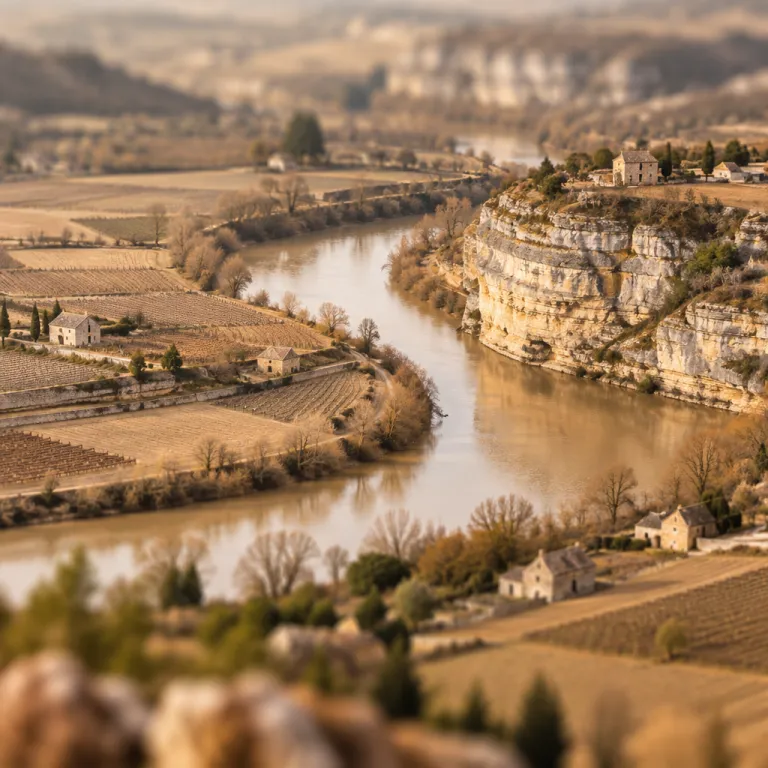
Reading the Dordogne France map as a wellness itinerary
The Dordogne France map becomes far more than a navigation tool when you travel mindfully. It can act as a visual meditation, guiding you along the soft curves of the Dordogne River and into the quiet folds of each valley in this deeply soothing region. When you trace the lines between each medieval village and each limestone cliff, you begin planning not only routes but also moments of rest.
This part of south western France, officially within Nouvelle Aquitaine, is often called Périgord, and the historic name still shapes how the region is divided on many maps. When you look closely at a detailed map of Dordogne Périgord, you will see colour coded areas such as Périgord Noir around Sarlat and Périgord Pourpre near Bergerac, each offering different moods for wellness focused travellers. Use the Dordogne France map or a high resolution regional atlas to balance days between river valleys, forested plateaus, and quiet towns, so your nervous system never feels rushed.
On a mindful itinerary, the Dordogne Valley itself becomes your central spine, with the river flowing calmly past beautiful villages and valley castles. A good map will show how the valley widens near Bergerac and narrows again near La Roque Gageac, helping you choose shorter transfers and longer pauses. When you plan with this level of cartographic awareness, every town, chateau, and cave becomes a carefully chosen stop in a wider practice of slow travel.

Mapping slow routes through Périgord Dordogne for restorative days
Wellness oriented travellers can use a Dordogne France map to design slow routes through Périgord Dordogne that respect the body’s natural rhythms. Instead of jumping between distant towns, you can cluster gentle days around one valley, one river section, and one compact group of villages. This approach reduces time in transit and increases time for mindful walks, river swims, and quiet meals in small French squares.
Start with the area around Sarlat la Canéda, often simply called Sarlat, which appears on almost every map of the Dordogne region. From this medieval town, the map reveals a constellation of nearby villages France is famous for, including Beynac, Domme, and La Roque Gageac, all within a short drive or bike ride. Sarlat to Beynac is roughly 10 km, Sarlat to Domme about 12 km, and Sarlat to La Roque Gageac around 9 km, so by reading the distances carefully, you can create a Sarlat centred loop that allows you to move mostly on foot or by bicycle, keeping your heart rate steady and your senses open.
Couples planning a restorative escape can pair their map reading with a structured wellness plan, using resources such as this guide to planning a wellness retreat for two. When you overlay that kind of intentional schedule onto a detailed map of Dordogne Périgord, you can align spa sessions, forest walks, and river time with the most peaceful corners of the valley. The result is a route through Périgord Dordogne that feels like a moving retreat rather than a checklist of castles and caves.
Using the Dordogne valley landscape for mindful movement
The physical geography shown on any good Dordogne France map is a powerful ally for mindful movement. Contour lines, shaded relief, and the sinuous course of the Dordogne River all help you choose routes that match your energy levels. Gentle riverside paths invite slow walking meditations, while steeper trails up to hilltop chateaux offer short, intentional bursts of effort.
In the central Dordogne Valley, limestone cliffs rise above the water, creating dramatic viewpoints that look imposing on the map but often involve manageable climbs. When you plan hikes near La Roque Gageac or around the valley castles close to Beynac, pay attention to elevation markers so you can schedule these more demanding walks for cooler mornings. The same map will show flatter stretches near Bergerac, where the Bergerac vineyards roll softly towards the horizon and invite longer, easier cycling days.
Travellers who enjoy multi day walking journeys can use the map in a similar way to those planning a high alpine route, such as the mindful stages described in this mindful long distance trail guide. In France Dordogne, you can link villages and towns along the Périgord corridor, moving from one medieval village to the next with plenty of time for rest. By aligning your pace with the natural curves of the valley, you turn each day into a moving meditation anchored in the landscape.
Prehistoric cave art and deep time as tools for inner stillness
One of the most powerful aspects of any Dordogne France map is the way it reveals clusters of prehistoric sites. The region is home to some of the world’s most important cave art, created many thousands of years ago in the limestone cliffs that line the valleys. When you see these caves marked together on the map, you begin to understand how this landscape has held human stories for countless years.
In the Périgord Noir area near Sarlat la Canéda, the map highlights caves such as Lascaux, Font de Gaume, and Rouffignac, each preserving prehistoric paintings that were created many years ago by early inhabitants of the region. Lascaux’s original artworks are estimated to be around 17,000 years old, and Font de Gaume’s polychrome figures date from a similar Upper Palaeolithic period. Standing quietly in front of this cave art, you feel a direct connection between your own breath and the breath of people who lived here long before any medieval town or chateau existed. That sense of deep time can be profoundly grounding for travellers seeking perspective beyond daily stress.
When planning a mindful route, use the Dordogne Périgord map to space out visits to these prehistoric caves, allowing time for reflection between them. Combine a morning visit to a cave with an afternoon walk along the Dordogne River or the nearby Lot valley, letting the rhythm of your steps integrate what you have seen. In this way, the map becomes a bridge between the inner landscape of your thoughts and the outer landscape of Périgord Dordogne, shaped by water, stone, and human presence across many centuries.
Choosing serene villages and towns for mindful stays
A close reading of the Dordogne France map helps you identify which villages and towns will best support a restorative stay. Some places, such as Sarlat or Bergerac, appear as larger hubs with more services, while smaller villages cluster along the Dordogne River and its tributaries. By comparing their locations, you can alternate nights in lively historic centres with nights in quieter valley hamlets.
Look for beautiful villages along the river, especially around La Roque Gageac, where houses seem to lean into the limestone cliffs. These villages France is known for often have car free cores, stone lanes, and riverside paths that encourage slow evening strolls instead of hurried sightseeing. On the map, they appear as tight knots of streets pressed between the river and the valley walls, a pattern that usually signals a more intimate, walkable environment.
For travellers who value both culture and calm, it can be helpful to base in a town like Sarlat la Canéda or Bergerac and then use the map to plan day trips to surrounding villages in Nouvelle Aquitaine. Between visits to medieval castles and original market squares, schedule time in parks, river beaches, or vineyard lanes for unstructured wandering. If you are planning a romantic or deeply restorative weekend, resources such as this guide to mindful romantic escapes can complement your map reading, helping you match each village stay with the kind of emotional reset you need.
Designing a multi day mindful circuit across France Dordogne
Once you are comfortable reading the Dordogne France map, you can design a multi day circuit that flows naturally across the region. A classic mindful route might begin in Bergerac, follow the Dordogne Valley upstream past Bergerac vineyards, and then curve towards Sarlat and the most dramatic valley castles. From there, you could continue along the Périgord corridor towards the Lot, before looping back through quieter villages and open countryside.
On such a circuit, the map helps you balance time between riverbanks, hilltop viewpoints, and historic centres, so your senses never feel overloaded. For example, you might spend one day exploring the medieval streets of Sarlat la Canéda, another day walking between villages near La Roque Gageac, and a third day visiting a prehistoric cave followed by a picnic beside the Dordogne River. Each segment becomes a chapter in a wider wellness narrative, with the map as your constant, calming reference.
Mindful travellers often find that returning to the same map each evening becomes a ritual in itself, a way to review the day and set gentle intentions for tomorrow. As you trace the line of the river or the contours of the valley, you are reminded that this region has absorbed human footsteps for many generations and still remains remarkably serene. Used in this way, the Dordogne Périgord map is not only a practical tool but also a quiet companion on your journey towards more intentional, restorative travel.
Key wellness and travel statistics for the Dordogne region
- According to Atout France summaries on rural tourism trends (2010–2020), wellness and nature based trips in less urbanised French regions have shown strong growth, with areas like Nouvelle Aquitaine benefiting from travellers seeking quieter landscapes. Exact percentages vary by study and year, but the overall direction is clearly upward.
- Data shared by the Comité Départemental du Tourisme de la Dordogne in its public reports indicates that cultural and heritage visits, including medieval castles and prehistoric cave sites, represent a significant share of tourist activities in the Dordogne Valley. While specific ratios differ between seasons, history focused experiences consistently rank among the top motivations for visiting.
- Surveys by the European Travel Commission (for example, reports published between 2019 and 2023) note that roughly one third of European travellers now cite relaxation and mental wellbeing as a primary or strong secondary motivation for choosing a destination, a trend that aligns closely with mindful itineraries in France Dordogne.
- Regional statistics from Bergerac and Sarlat la Canéda, summarised in local tourism office publications, show that average stays in the Dordogne region often fall between four and six nights. This duration is well suited to a slow, map based circuit linking villages, river walks, and cave visits without rushing.
FAQ about mindful travel with a Dordogne France map
How many days do I need for a mindful Dordogne itinerary ?
A minimum of four to five days allows you to use the Dordogne France map to design a gentle loop between Bergerac, Sarlat la Canéda, and nearby river villages. With a week, you can add prehistoric cave visits and quieter stays in smaller valleys. Longer trips of ten days or more give you time to include both the Dordogne Valley and parts of the Lot without rushing.
Which area of Périgord Dordogne is best for a first wellness focused visit ?
For a first mindful trip, many travellers choose Périgord Noir around Sarlat la Canéda, because the map shows a dense cluster of medieval villages, castles, and river access points. This area along the Dordogne River and valley Dordogne offers short transfers between highlights, which supports slow travel. You can then add a night or two near Bergerac to experience the softer landscapes of Bergerac vineyards.
How can I avoid crowds while visiting famous castles and caves ?
Use the Dordogne France map to identify alternative routes and nearby villages, then visit major castles and prehistoric caves early in the morning or late in the afternoon. Spend the middle of the day walking quieter river stretches or resting in less known towns marked on the map. This pattern keeps your nervous system calm while still allowing you to see key sites.
Is it possible to travel mainly by public transport in France Dordogne ?
Public transport exists between larger towns such as Bergerac, Sarlat la Canéda, and some villages, but services are limited, especially in smaller valleys. A careful reading of the regional map will show where train lines and main bus routes run, helping you cluster your stays around those hubs. For a fully flexible mindful itinerary, many travellers still choose to rent a car and then use the map to minimise daily driving distances.
How can I use the map itself as part of a mindfulness practice ?
Set aside a few quiet minutes each evening to trace your route on the Dordogne France map, noticing the curves of the river Dordogne, the spacing between villages, and the shapes of the valleys. Breathe slowly as you plan the next day, choosing only a few key places rather than filling every hour. This simple ritual turns navigation into a grounding practice that keeps your journey aligned with your wellbeing goals.
References
- Atout France, national tourism development agency for France (rural and wellness tourism trend reports, 2010–2020).
- Comité Départemental du Tourisme de la Dordogne, official tourism board for the Dordogne region (visitor statistics and activity breakdowns).
- European Travel Commission, research on European travel motivations and trends (reports published 2019–2023).