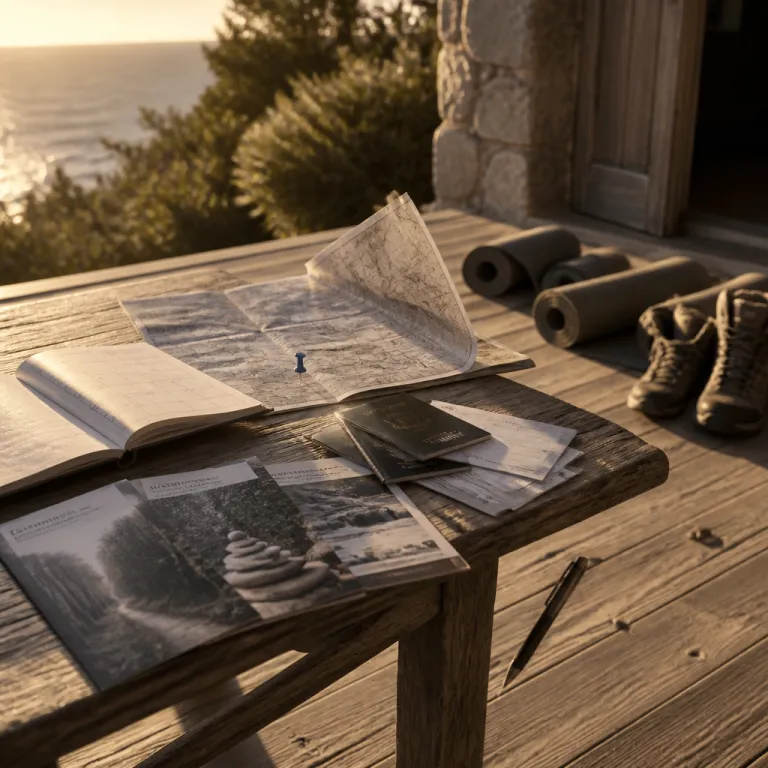
Reading the compatibility question before you book anything
Every strong wellness retreat for couples planning guide begins with one quiet conversation at home. Before you look at any retreat center or compare wellness retreats, you and your partner need to understand whether you want a diagnostic reset or a soft landing. That single choice shapes the retreat goals, the budget, the activities, and even how much silence each person can happily tolerate.
Start by asking each couple partner three simple questions about the retreat experience they imagine. First, what does a good day on retreat look like in detail, from wake up time to lights out, including meals, massage, and movement activities. Second, how much structured couples therapy or group work feels nourishing rather than invasive, and how much free time is non negotiable for each person. Third, what is the deeper relationship question underneath this couples retreat — stress relief, communication repair, or a decision point about marriage or long term commitment.
Write the answers down separately, then compare them together without rushing the discussion. If one person wants a silent wellness retreat with early nights and the other dreams of a social group retreat with shared events, you have a compatibility gap to address before any retreat planning. Use that gap as information, not a verdict on the relationship, and let it help you refine the type of couples retreats or wellness retreats that might genuinely support both of you. When your expectations align on intensity, therapy depth, and daily rhythm, the retreat will feel like a shared project rather than an expensive wrong fit that leaves one partner counting the hours.
Program structures that actually work for couples, not just for marketing
Once you understand your shared retreat goals and basic compatibility, the next step in any wellness retreat for couples planning guide is choosing a program structure that respects two different nervous systems. Many wellness retreats are still designed for solo guests, then lightly repackaged as a couples retreat with a dinner and one massage, which rarely changes the relationship. Look for formats that intentionally support both individual processing and shared experience, rather than forcing every activity into a retreat couples cliché.
Parallel track programs suit couples seeking different intensities under one roof, such as one partner doing a detox while the other leans into gentle movement and creative activities. In these retreats, the retreat center usually offers a shared morning practice, then separate tracks for fitness, therapy, or educational events, before reconvening for evening rituals and meals. This structure works well for a group of couples where each couple can calibrate their own time balance between solitude, group sessions, and private relationship work.
Separate then reconvene formats are ideal when the relationship is stable but tired, and both people need space before they can meet each other again. You might spend the day in different workshops, perhaps one in couples therapy style communication training and the other in somatic stress release, then return for shared bathing rituals, slow dinners, or mindful walks similar in spirit to curated restful day trips for mindful travellers. Finally, there are fully shared programs where every session is designed for two, which can be powerful for a couple in active relationship repair but overwhelming for couples seeking more gentle reconnection. When a retreat will offer a mix of private, shared, and group retreat time, you are more likely to leave with tools you can actually use at home.
Matching destinations to your couple type and travel appetite
Destination choice is where a wellness retreat for couples planning guide becomes travel journalism rather than just relationship advice. The right location amplifies your retreat experience, while the wrong one can feel like submitting form after form for visas and transfers instead of actually resting. Think first about climate, flight time, and cultural fit, then layer in the specific wellness traditions that speak to both of you.
Adventure driven couples often thrive in places where the landscape does half the therapeutic work, such as Costa Rica’s Nicoya Peninsula, New Zealand’s South Island, or the forested slopes above the Pocono Mountains in Pennsylvania. In these locations, a couples retreat might weave together morning yoga, cold river plunges, guided hikes, and evening massage, with optional group activities like breathwork or fireside sharing circles. Culture focused couples may prefer Ayurveda programs in Kerala, integrative traditional and complementary medicine clinics in Qatar, or Japanese onsen retreats, where the relationship deepens through shared learning, respectful silence, and the slow repetition of bathing rituals.
Luxury first couples seeking high touch service and medical grade wellness can look to Swiss longevity clinics around Lake Geneva or curated Red Sea resorts that combine thalassotherapy with discreet couples therapy sessions. For a deeper understanding of how indigenous knowledge shapes modern wellness retreats, read this field report on how indigenous healing traditions are reshaping retreat culture, then ask each retreat center how they work with local communities. When you evaluate destinations, use a critical lens similar to this field guide to evaluating wellness retreats, and remember that the most photogenic location is not always the one your relationship actually needs. Choose a place where the land, the programme, and the pace of each day all support the kind of couple you are now, not the aspirational version you think you should be.
Timing, length, and logistics: building a realistic retreat calendar
Good retreat planning respects calendars as much as chakras, and any serious wellness retreat for couples planning guide needs to address timing with precision. Industry surveys from wellness tourism associations such as the Global Wellness Institute and the Wellness Tourism Association suggest that most structured wellness retreats run between three and seven days, with many medical or longevity programmes recommending at least a week to deliver measurable impact. For couples with demanding jobs or children, that duration can feel impossible, which is why clarity about retreat goals and realistic time windows matters more than aspirational wish lists.
Use the planning timeline that experienced organizers rely on for group events, even if you are only booking for two. Start researching locations and retreat centers four to six months before your ideal travel period, especially if you are targeting peak seasons in the Alps, the Red Sea, or the Pocono Mountains. Aim to confirm lodging and flights around three months out, then handle final details such as transfers, dietary notes, and any required medical forms one month before departure, which mirrors the professional rhythm used by wellness centers and travel agencies.
Shoulder seasons often offer the best balance of price, space, and weather, particularly for couples seeking quiet rather than a crowded group retreat atmosphere. Many properties set minimum stays for structured couples retreats, so check whether a three day intensive or a seven night immersion better fits your relationship and work constraints. When you complete online booking, pay attention to the confirmation language such as “booking confirmed” or “registration successful”, and if you suspect you made a mistake or chose the wrong option, contact the retreat organizer immediately rather than hoping an error will somehow correct itself later.
Budget, value, and reading the fine print like a pro
Money conversations can be more charged than couples therapy, yet a transparent budget is central to any honest wellness retreat for couples planning guide. Data from wellness travel reports by organizations like the Global Wellness Institute indicates that a mid range wellness retreat often costs around 2 000 USD per person for several nights, excluding long haul flights. Entry level options might start lower for three day programs, while premium medical or longevity clinics can easily reach five figures for a week, especially when advanced diagnostics and daily treatments are included.
Think in tiers rather than absolutes, and decide together what level of comfort and care your relationship needs this season. At the lower end, you might choose a simple retreat center in the Pocono Mountains or rural Portugal, where shared lodging, vegetarian meals, and a few massage sessions are bundled into a long weekend focused on rest and gentle activities. Mid range couples retreats often add more specialized therapy, such as structured communication workshops or trauma informed movement, while premium wellness retreats layer in medical testing, one to one coaching, and access to a full conference center style facility with pools, saunas, and hydrotherapy circuits.
Always read the terms and privacy policies carefully, especially around cancellations, rescheduling, and what happens if the retreat will not run due to low group numbers. Look for clear explanations of what is included in the price, from airport transfers to daily massage allowances, and ask whether any couples seeking financial flexibility can arrange staged payments. When you receive a booking email that confirms your place, save it alongside the terms privacy documents, and do not hesitate to ask the retreat organizer for help if anything feels unclear or misaligned with your retreat goals.
Red flags, green lights, and how to protect your relationship on retreat
The final layer of a serious wellness retreat for couples planning guide is discernment, because not every couples retreat is designed with psychological safety in mind. One major red flag is a programme that markets itself as deep relationship work but offers little more than a spa and dinner package with a generic “love workshop” on the final day. Another is a schedule packed with intense group therapy sessions and public sharing circles, with no option for private processing or quiet time as a couple.
Pay attention to how the retreat center describes its team, its approach to couples therapy, and its boundaries around confidentiality. You want facilitators who are trained in relational work, not just enthusiastic volunteers, and a clear explanation of how they handle emotional crises, conflict between couples, or disclosures about marriage breakdown or potential separation. Ask whether the retreat couples programme includes any follow up support, such as online integration calls or referrals to local therapists, because the real work often begins once you return home and try to translate the retreat experience into daily life.
Green lights include transparent communication, realistic promises, and a schedule that balances structured activities with unstructured time for your relationship to breathe. A thoughtful retreat organizer will encourage you to arrive with specific retreat goals, such as improving communication, rebuilding intimacy, or making a shared decision about future events like relocation or children. When a wellness retreat frames itself as one step in a longer journey rather than a miracle cure, you can trust that the programme respects the complexity of couples seeking change, and you are far less likely to leave feeling that you chose the wrong format for something as delicate as your shared life.
Key figures for planning a wellness retreat for two
- Average per person cost for a structured wellness retreat is around 2 000 USD for several nights, according to recent wellness tourism reports from sources such as the Global Wellness Institute, which means a couple should budget at least 4 000 USD before flights.
- Many relationship focused retreats run for three to seven days, and programmes that include medical or diagnostic elements often recommend a minimum of seven nights to deliver measurable benefits.
- Professional organizers typically start planning four to six months before a wellness retreat, confirming bookings around three months out and final logistics one month before, a timeline that couples can safely mirror.
- Eco focused and digital detox wellness retreats have grown into a significant segment of the market, reflecting a rising demand from couples seeking time away from screens as much as from urban stress.
- Core objectives reported by retreat organizers include enhancing well being, strengthening the relationship, and supporting relaxation, which align closely with the most common goals expressed by couples seeking immersive programmes.
FAQ: planning a wellness retreat for couples
How far in advance should we plan a couples wellness retreat ?
Most experienced organizers recommend that couples start planning four to six months before their ideal dates, especially for popular wellness retreats in peak seasons. Aim to confirm your chosen location, lodging, and flights around three months out, then finalize transfers, dietary notes, and any medical paperwork one month before departure. This timeline mirrors professional retreat planning practices and reduces last minute stress on the relationship.
How do we choose the right destination for our relationship ?
Begin with climate, flight time, and budget, then consider what kind of retreat experience supports your current relationship needs. Adventure oriented couples might prefer mountains, forests, or coastal regions with strong outdoor activities, while culture focused couples may gravitate toward places with established healing traditions such as Ayurveda or thermal bathing. Always check whether the retreat center’s style of therapy, group work, and daily schedule matches both partners’ comfort levels.
What activities are common in wellness retreats for couples ?
Typical programmes combine yoga, meditation, massage, and educational workshops with relationship specific sessions such as communication training or guided couples therapy. Many retreats also include nature based activities like hiking, cold water immersion, or mindful walking, alongside creative practices such as cooking classes or art. The best couples retreats balance structured activities with unstructured time, so you can integrate insights together rather than rushing from event to event.
How can we tell if a couples retreat is more than just a spa weekend ?
Look closely at the schedule and facilitator biographies rather than the marketing language. A genuine relationship focused retreat will include clearly described therapy or coaching sessions, small group work, and integration time, led by qualified professionals with relevant credentials such as licensed marriage and family therapists, clinical psychologists, or certified relationship coaches. If the programme is mostly massages, generic yoga classes, and romantic dinners with little mention of relationship skills, you are likely seeing a rebranded spa package rather than a true couples therapy retreat.
What should we do if our expectations for the retreat are very different ?
Have an honest conversation before booking, and write down what each person wants from the retreat in terms of rest, therapy depth, and daily rhythm. If one partner wants intensive group retreat work and the other prefers a gentle wellness retreat with more free time, consider a parallel track programme where you can choose different activities during the day and reconnect in the evenings. When the gap feels too wide, it may be wiser to postpone or seek help from a local therapist first, rather than forcing a format that could strain the relationship further.