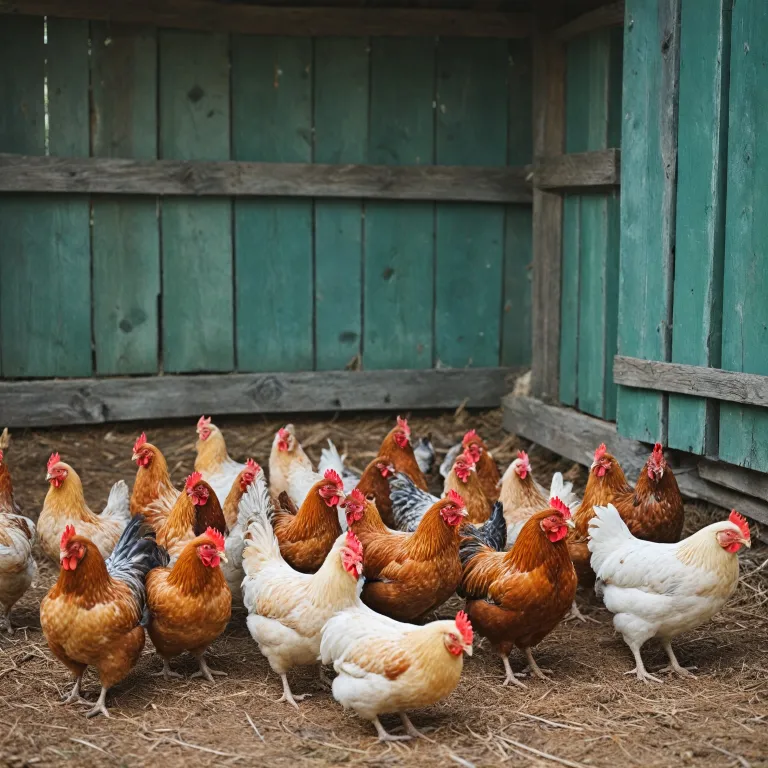
The natural rhythm of molting in chickens: annual cycles and triggers
Molting is a natural process that every chicken undergoes, and understanding how often chickens molt is essential for anyone raising backyard flocks. Chickens molt annually, typically in late summer or early fall, as a response to decreasing daylight hours and changing environmental conditions. This annual molt allows chickens to shed old, worn feathers and grow new ones, ensuring their insulation and health are maintained as colder weather approaches. The process is not only vital for the bird’s comfort but also impacts egg production, as chickens will often stop laying eggs while their bodies focus on feather regrowth.
Molting chickens may appear less active, and their feather coverage can look patchy or sparse. The duration of the molt varies, but most chickens will complete the process within 4 to 12 weeks, depending on their age, health, and environmental stressors. Stress, nutritional deficiencies, or sudden changes in the coop can trigger an early or prolonged molt, so it is important to keep the flock’s environment stable and supportive. During this time, providing a high protein feed helps chickens grow feathers more efficiently and supports their overall health.
Egg laying typically ceases during molting, as the bird’s energy is redirected toward feather production. This is a natural and temporary phase, and egg production will resume once the molt is complete. For those raising backyard flocks, recognizing the signs of molting and adjusting care routines accordingly is key to maintaining a healthy, productive flock. The annual molt is a testament to the resilience and adaptability of chickens, and understanding this cycle helps poultry keepers support their birds through every stage of life.
Juvenile and adult molts: stages and timelines in a chicken’s life
Chickens experience several distinct molting phases throughout their lives, beginning with the juvenile molt. The first juvenile molt occurs between 1 and 6 weeks of age, as chicks replace their soft down with juvenile feathers. This is followed by a second juvenile molt at 7 to 9 weeks, and a third at 12 to 13 weeks, each stage marked by the appearance of pin feathers and the gradual development of adult plumage. These early molts are crucial for the bird’s growth and adaptation to its environment.
At around 16 to 18 months, chickens undergo their first adult molt, which marks the transition to the annual molting cycle. From this point forward, chickens molt once a year, usually in late summer or early fall. The timing and duration of each molt can vary based on breed, nutrition, and environmental factors, but the process remains a fundamental aspect of a chicken’s life. During these molts, chickens will shed and regrow feathers, with the process taking several weeks to complete.
Molting chickens require additional support during these periods, as the energy demands of feather production are significant. Providing a high protein feed and minimizing stress in the coop can help chickens molt more efficiently and return to normal egg production sooner. For more insights on supporting your flock through these stages, explore our comprehensive guide to chicken care. Understanding the stages and timelines of molting helps poultry keepers anticipate changes in their flock and provide the best possible care.
Nutrition and care during molting: supporting feather regrowth
Proper nutrition is essential during the molting process, as chickens require increased protein to grow feathers. Feathers are composed primarily of protein, so a high protein feed is recommended to help chickens molt efficiently. During this time, supplementing the flock’s diet with protein-rich treats such as mealworms, cooked eggs, or legumes can make a significant difference in feather quality and regrowth speed. It is important to monitor the flock’s feed intake and ensure all birds have access to fresh water and balanced nutrition.
Stress can negatively impact the molting process, prolonging the duration and affecting feather quality. To help chickens molt successfully, keep the coop environment calm and consistent. Avoid introducing new birds or making significant changes to the flock’s routine during molting. Providing ample space, clean bedding, and protection from predators will help reduce stress and support overall health. For detailed advice on optimizing your flock’s nutrition and environment, visit our expert resource on poultry nutrition.
Egg production typically declines or stops during molting, as the bird’s body prioritizes feather regrowth. This is a normal part of the cycle, and egg laying will resume once the molt is complete. By understanding the nutritional and environmental needs of molting chickens, poultry keepers can help their birds grow feathers efficiently and maintain a healthy, productive flock. The right care during this time ensures that chickens will return to peak egg production and feather condition once the molt concludes.
Recognizing signs of molting: what to expect in your backyard flock
Molting is a visually striking process, and recognizing the signs can help poultry keepers respond appropriately. The most obvious sign is the loss of feathers, which may occur in patches or more evenly across the body. Pin feathers, which are new feathers encased in a protective sheath, will begin to appear as the old feathers are shed. Chickens may look scruffy or even partially bald during this time, but this is a normal part of the molting cycle.
Behavioral changes are also common during molting. Chickens may become less active, spend more time resting, and show reduced interest in social interactions. Some birds may appear irritable or withdrawn, as the process can be physically demanding and uncomfortable. Egg production will decrease or stop entirely, as the bird’s energy is redirected toward feather regrowth and recovery. These changes are temporary and will resolve once the molt is complete.
It is important to monitor the flock closely during molting, as the loss of feathers can make chickens more susceptible to temperature fluctuations and stress. Providing extra bedding, shelter, and a high protein feed will help chickens molt successfully and return to normal activity levels. Recognizing and responding to the signs of molting ensures the health and well-being of your birds throughout the process.
Managing stress and environmental factors during the molting period
Stress is a significant factor that can influence the molting process in chickens. Environmental changes, such as fluctuations in temperature, overcrowding in the coop, or the introduction of new flock members, can trigger or prolong molting. To help chickens molt efficiently, it is important to maintain a stable and comfortable environment. This includes providing adequate space, clean bedding, and protection from predators and harsh weather conditions.
Minimizing disturbances in the coop and keeping routines consistent will help reduce stress and support feather regrowth. If possible, avoid handling chickens excessively or making major changes to their living space during the molting period. Ensuring that all birds have access to food, water, and shelter will help them cope with the physical demands of molting. The use of high protein feed during this time is especially important, as it provides the nutrients necessary for feather production and recovery.
Molting is a natural and necessary process, but it can be challenging for both chickens and their keepers. By understanding the impact of stress and environmental factors, poultry keepers can help chickens molt more comfortably and return to normal activity and egg production. The annual molt is a reminder of the importance of attentive care and management in raising backyard flocks, and with the right support, chickens will emerge from the process healthy and rejuvenated.
Egg production and molting: understanding the connection
The relationship between molting and egg production is a key consideration for anyone raising backyard chickens. During the molting period, chickens will typically stop laying eggs as their bodies focus on growing new feathers. This temporary cessation of egg production is a normal part of the molting cycle and should not be a cause for concern. Once the molt is complete and feathers have regrown, egg laying will gradually resume.
Molting chickens require additional protein to support feather regrowth, and providing a high protein feed can help minimize the duration of reduced egg production. It is important to remember that the quality of eggs may also be affected during this time, as the bird’s energy is directed toward feather production. By supporting chickens with proper nutrition and a stress-free environment, poultry keepers can help their flock return to optimal egg production more quickly.
Understanding the connection between molting and egg production allows poultry keepers to plan for seasonal changes and adjust their management practices accordingly. The annual molt is a natural part of a chicken’s life cycle, and with the right care, chickens will continue to thrive and provide eggs for years to come. As one expert notes, "Chickens typically molt once a year, usually in late summer or early fall." This insight underscores the importance of anticipating and supporting the molting process in backyard flocks.
Key statistics on molting cycles and flock management
- Duration of molting process: 4 weeks on average, but can last up to 12 weeks depending on the individual bird and environmental factors.
- Age of first adult molt: Chickens experience their first adult molt at 16 to 18 months of age.
- Juvenile molt stages: First occurs between 1-6 weeks, followed by second juvenile molt at 7-9 weeks, and third at 12-13 weeks.
Frequently asked questions about chicken molting
How often do chickens molt?
Chickens typically molt once a year, usually in late summer or early fall.
At what age do chickens experience their first molt?
Chickens undergo their first juvenile molt between 1-6 weeks of age, with the first adult molt occurring around 16-18 months.
How long does the molting process last?
The molting process can last anywhere from 4 to 12 weeks, depending on the individual chicken and environmental factors.
References:
Tractor Supply: https://www.tractorsupply.com/tsc/cms/life-out-here/the-coop/chick-care/chickens-molting-what-to-know
Eggcellent Adventures: https://www.eggcellentadventures.org/post/why-when-how-chickens-molt
Backyard Poultry: https://backyardpoultry.iamcountryside.com/eggs-meat/how-often-do-chickens-molt/