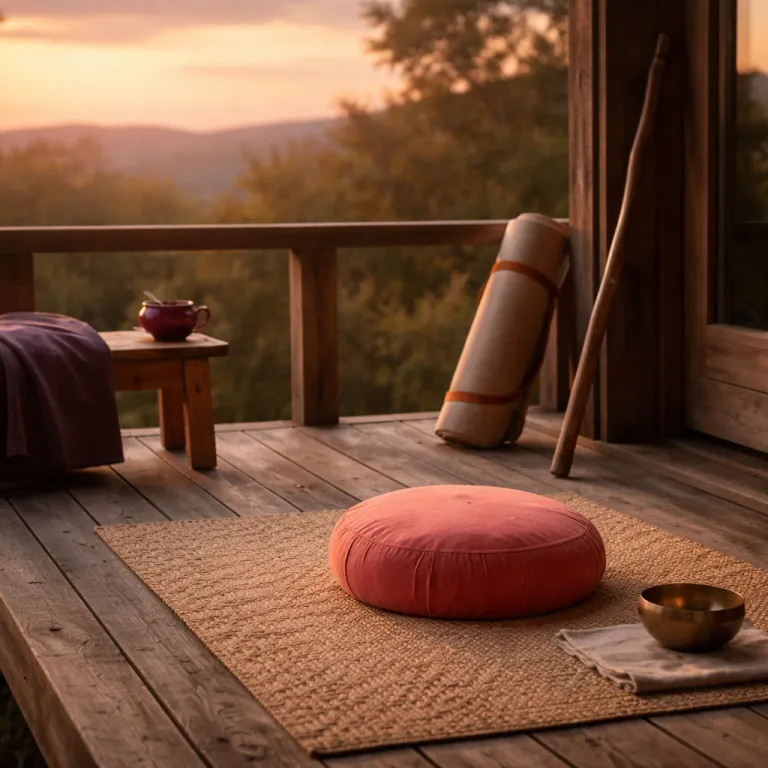
The minimalist wellness retreat philosophy: paying for the power of absence
Minimalist wellness retreat philosophy is not about adding more wellness to an already crowded calendar. It is about a retreat that removes noise, stimulation and even the illusion that you can optimise every second of your mental health. In this subtraction based approach, retreats become quiet laboratories where guests finally watch how the body and mind respond when nothing extra is demanded of them.
The paradox is stark; executives now pay premium rates for a wellness retreat that promises almost nothing except silence, clean lines and time. You are not buying a packed programme, you are buying the right to step outside everyday life and let your nervous system remember a slower rhythm. In a world where wellness travel often resembles corporate training with yoga, the most radical luxury is a room, a garden and no schedule.
Minimalist wellness retreats sit at the opposite end of the productivity wellness complex. Instead of creating endless practices to fill every hour, they strip back until only essential healing rituals remain. The philosophy is simple yet demanding; when the resort stops entertaining you, you must finally meet your own mind.
How doing less rewires the nervous system
Neuroscience quietly supports what contemplative traditions have known for centuries. Unstructured time in nature, without constant input, allows the nervous system to reduce stress more deeply than a hyper scheduled wellness journey. When you remove clocks, mirrors and notifications, the mind stops bracing for the next demand and begins a slower form of healing.
At Firecreek Retreat in Jonesboro, Georgia, this minimalist wellness retreat philosophy is taken seriously. The property hosts a five day transformative retreat led by Elena Brower, an internationally recognised author, teacher and artist, on a private estate framed by forest and water. The methods are disarmingly simple; silence, meditation, minimalist living and long walks in nature with only journals, meditation cushions and the landscape as tools, reflecting practices Brower is known for in her published work and public teaching.
The organisers summarise the core inquiry in a single line that undercuts most wellness marketing. They state plainly, "How does doing less lead to transformation?" and then answer with equal clarity, "It allows the mind to reset and gain clarity." For participants used to wellness retreats filled with back to back yoga practices, breathwork and coaching, the first 24 hours feel almost confrontational.
Psychologically, this resistance is predictable because everyday life trains the brain to equate value with activity. When a retreat design removes constant support, the mind initially panics, scanning for structure, entertainment and external validation. Yet as hours of quiet accumulate, guests report a subtle shift toward inner peace, emotional resilience and a more holistic sense of mental health that no app can simulate.
Minimalist retreats also align with the wider return to the elements trend in wellness travel. Travellers are seeking direct contact with water, forest and sky rather than elaborate spa menus, as seen in mindful journeys to natural swimming holes and cenotes where the healing waters themselves set the pace of the day. A thoughtful example is the way some travellers now plan a mindful wellness guide to cenote experiences in Mexico, using the landscape rather than technology as their primary teacher.
Where subtraction is the real luxury: properties that dare to do less
Across the wellness travel landscape, a small group of properties now treat silence as their primary amenity. These places understand that a wellness retreat built on subtraction must be designed to help the nervous system settle through architecture, not just through activities. You notice it first in the clean lines, the absence of background music and the way the garden is allowed to feel slightly wild.
At Glen Dye in Scotland, thousands of acres of moorland and forest become the main retreat design element. Guests stay in simple cabins where nature is the entertainment, and wellness practices are woven into foraging walks, outdoor art sessions and unscripted meditation by the river. The retreats here are structured around vast unprogrammed afternoons, where participants are encouraged to sit, watch the light shift and let their whole system register that nothing is required.
Along certain coastlines, yoga retreats are also evolving toward this minimalist wellness retreat philosophy. Some coastal sanctuaries now offer beach breathwork retreats by the sea for mindful renewal, where the schedule is intentionally thin and the ocean sets the tempo. A short morning yoga practice, a silent swim and long hours of quiet on the sand can create more spiritual renewal than a dozen workshops in a crowded resort ballroom.
Sleep focused wellness retreats are another expression of this subtraction ethos. Properties design rooms with blackout blinds, no televisions, minimal décor and strict digital detox policies, framing sleep as the central healing practice rather than an afterthought. Guests often arrive with high stress levels and leave reporting that the simple act of eight uninterrupted hours in a quiet space has done more for their mental health than years of fragmented holidays.
What unites these retreats is a refusal to confuse amenities with depth. They prioritise nature, silence, plant based meals and gentle yoga over spectacle, trusting that inner peace emerges when the environment stops shouting. In this context, the real luxury is not a long spa menu but the rare chance to hear your own mind without interruption.
From productivity wellness to radical rest: navigating the first 24 hours
The hardest part of a minimalist wellness retreat is rarely the silence itself. It is the moment when guests realise there will be no constant stream of classes, no evening entertainment and no social media to lean on. For business travellers used to maximising every hour, this absence can feel like failure rather than freedom.
Retreat leaders who understand this psychology build subtle support into the first day without breaking the minimalist frame. At Firecreek, for example, arrival is followed by a simple orientation that explains why the retreat is designed to help participants do less, not more. Guests are invited to pack light, prepare for digital detox and embrace simplicity, which reframes the quiet as an intentional wellness journey rather than a lack of service.
During that first evening, the mind often races through unfinished work, family obligations and the usual mental loops of everyday life. Some guests experience a spike in stress as the nervous system searches for its familiar distractions, especially when digital detox rules remove phones and laptops. This is where gentle practices such as slow yoga, breath led meditation and unhurried walks in the garden help reduce stress without reactivating the productivity mindset.
By the second day, many participants report a tangible shift in body awareness and mental spaciousness. With fewer external inputs, the nervous system begins to down regulate, and simple sensations like wind in the trees or the weight of a blanket become unexpectedly vivid. This is the quiet threshold where emotional resilience starts to build, not through dramatic breakthroughs but through repeated experiences of resting and finding that life still holds you.
For travellers evaluating whether a so called do less retreat is genuine or simply under staffed, a few markers are useful. Look for intentional retreat design with clean lines, acoustically quiet rooms, plant based menus and staff trained to hold silence rather than fill it with small talk. Seek evidence of community connection, such as shared meals or closing circles, that support spiritual renewal without forcing constant interaction, and be wary of any wellness resort that markets stillness yet fills your schedule from dawn to dusk.
Those travelling with partners or families can extend this philosophy beyond solo escapes. A thoughtfully planned wellness holiday for families that prioritises unstructured time, nature and simple shared rituals can echo the same minimalist principles at a different scale. When retreats and everyday life begin to align in this way, wellness stops being a special event and becomes a quieter, ongoing practice.
Key figures behind minimalist retreats and radical rest
- Retreat organisers at Firecreek in Georgia note that participants commonly report meaningful stress reduction after a five day minimalist programme, according to feedback shared on their official retreat information page, highlighting the perceived impact of doing less.
- Industry analysts tracking wellness travel trends describe a marked rise in demand for digital detox experiences, with silence and notification free stays emerging as a distinct luxury category in high end hospitality reports.
- Properties like Glen Dye in Scotland dedicate extensive land areas to low density retreats, illustrating how space and nature are becoming core assets in wellness retreat design rather than add on features.
- Survey data from leading travel publications shows a clear shift from bucket list style trips toward restorative journeys, with travellers increasingly prioritising sleep, mental health and nervous system regulation over sightseeing volume.