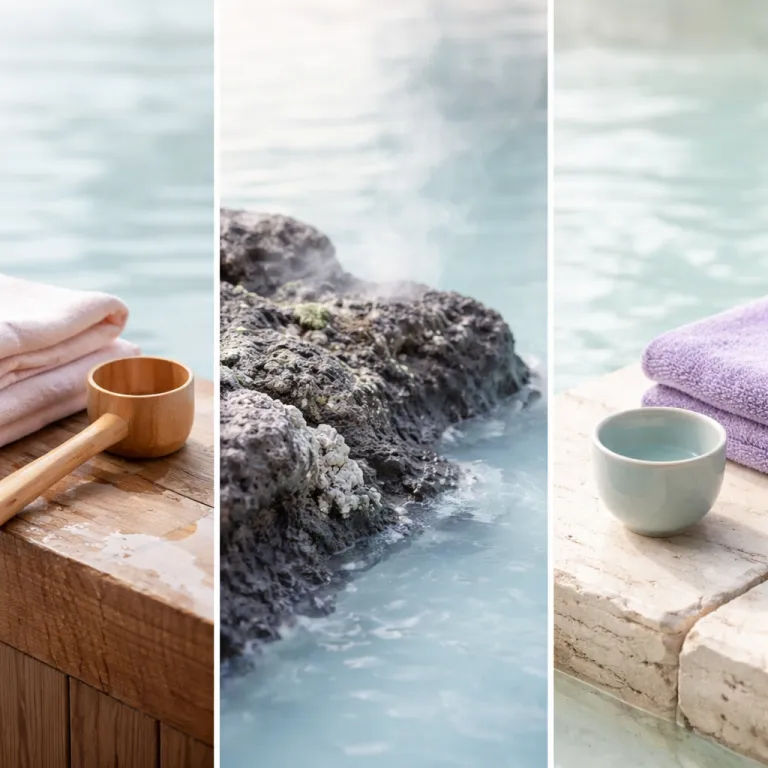
Section 1 – Why thermal bathing wellness destinations matter for mindful couples
Thermal bathing wellness destinations sit at the intersection of ritual, science, and romance. For couples who care about health wellness and cultural depth, a carefully planned hot springs journey can feel more like a shared practice than a simple spa day. When you choose a thermal bath over a generic pool, you are choosing mineral rich water, centuries of bathing etiquette, and a slower, more attentive way to visit a place.
Across the globe, more than thirty thousand thermal springs establishments now operate, and the Global Wellness Institute tracks this thermal and mineral springs sector as a multibillion dollar wellness market. In its 2023 “Global Wellness Economy Monitor,” the Institute cites over 31,000 facilities and approximately 72 billion USD in annual revenue for thermal and mineral springs, underscoring how significant this form of hydrotherapy has become (Global Wellness Institute, 2023 Global Wellness Economy Monitor). That scale matters, because it means you can now move from a Japanese hot spring in the mountains to a thermal spa in Switzerland or a desert hot pool in Chile, while still finding serious hydrotherapy and not only leisure. Thermal bathing wellness destinations also offer one of the most accessible forms of health wellness travel, with public baths starting at the price of a coffee in some cities.
Thermal bathing involves using hot and cold water for wellness. The core methods are simple yet powerful: immersion in hot springs, alternating hot and cold baths, and time in steam rooms or saunas. Around these basic tools, local communities, tourism boards, and wellness organizations have built sophisticated springs experience options, from humble neighborhood baths to high design thermal pools integrated into mountain resorts.
Section 2 – Japanese onsen and sento: mindful etiquette in mineral rich water
Japan remains the reference point for serious bathers who want structure, silence, and clear rules around hot water. In an onsen, the thermal springs are legally defined by their mineral content, and each hot spring is classified according to its dominant elements, from sulphur to bicarbonate. For couples, this creates a mindful rhythm: you move slowly between indoor pools, outdoor baths, and sometimes cold plunge pools, always in a state of quiet attention.
Before entering any Japanese thermal bath, you wash thoroughly at a seated shower station, because “Are there cultural etiquettes to follow in thermal baths? Yes, practices vary by culture; for example, in Japan, thorough washing before entering the onsen is customary.” Many onsen require bathing without swimwear, while urban sento baths may feel more casual, yet the respect for shared spring water remains absolute. If you are used to Western spas, the silence, the lack of phones, and the focus on the actual baths rather than elaborate spa treatments can feel like a reset for both body and relationship.
For a couple planning a longer wellness visit to Japan, it helps to think of onsen villages as thermal bathing wellness destinations in their own right. You might spend the day walking forest trails, then soak in natural hot outdoor pools under snow, alternating hot pools with brief cold air immersion. In Hakone, for example, many ryokan offer access to outdoor rotenburo fed by volcanic springs, with day passes often starting around the cost of a casual lunch. One Tokyo based guide described taking her partner to a mountain onsen as “the first weekend where we both put our phones away and just listened to the sound of water.” If you are curious about how water based rituals connect with other contemplative practices, read this guide to philosophy led wellness retreats in Greece on the mainland at Greece beyond the islands, then apply the same reflective mindset to your next springs experience in Japan.
Section 3 – Iceland, Hungary, and Switzerland: public bathing cultures with serious hydrotherapy
Move west and the mood shifts from hushed onsen to sociable geothermal lagoons and grand city baths. Iceland’s hot springs culture is built around geothermal water that steams in subarctic air, where a single hot pool can anchor an entire community. Outside the famous lagoons, you will find municipal thermal pools such as Laugardalslaug in Reykjavík, where families, athletes, and older locals share the same hot water, alternating between hot pools, cold plunge pools, and simple steam rooms for an entry fee that is often under 15 USD.
Hungary offers a different kind of thermal baths experience, especially in Budapest, where ornate thermal spa complexes date back to Ottoman times. Here, couples can move through a sequence of indoor thermal pools, outdoor pools, and steam chambers, often with clear temperature markings that encourage alternating hot and cold for circulation and joint health. At Széchenyi Thermal Bath, for instance, advance online reservations are recommended on weekends, and day tickets typically include access to multiple pools and saunas. These baths are not only for tourists; they are part of everyday health wellness routines, with regulars visiting several times a week for low impact movement and social connection.
In Switzerland, places such as Baden and Leukerbad show how alpine countries integrate thermal springs into mountain wellness. Baden literally takes its name from baths, and its riverside thermal bath complexes channel hot spring water into sleek pools where you can float while watching the Limmat river. One traveler tip from Baden: arrive right at opening time, when the pools are quietest and you can follow a full hot cold circuit before day visitors arrive. If you are drawn to the Japanese idea of embracing imperfection and repair, read about the kintsugi principle and what Japanese repair philosophy teaches about traveling to heal at this in depth guide, then carry that mindset into your next visit to a European thermal spa.
Section 4 – Desert hot springs, national parks, and volcanic islands: wild water for mindful couples
Not all thermal bathing wellness destinations are urban or alpine; some of the most memorable springs experience moments happen where hot water meets desert or forest. In North America, several national park regions protect natural hot springs, where regulations often require modest infrastructure to preserve fragile ecosystems. Couples who value quiet will appreciate arriving early in the day, when a single hot spring pool can feel like a private retreat framed by canyon walls or pine trees.
Desert hot springs areas, from California to Chile’s Atacama, offer a different sensory palette, where dry air and star filled skies contrast with steaming thermal pools. In places like Desert Hot Springs near Palm Springs, many small inns offer access to mineral pools exclusively for overnight guests, and reservations are often essential on weekends. Here, the best hot experiences usually involve simple stone lined hot pools, minimal lighting, and a focus on the temperature gradient between hot water and cool night air. Always check the nearest airport and local access rules, because some thermal springs sit on private land or require guided access through protected desert zones.
Volcanic islands such as the Azores or Taiwan’s Beitou district combine lush vegetation with geothermal activity, creating layered options from wild thermal springs to structured thermal spa resorts. In these places, spring water may emerge at very high temperatures, so operators cool it by mixing with cold water or channeling it through multiple baths before it reaches public pools. When you plan a visit, look for properties or public baths that explain their spring water source, mineral profile, and how they manage both hot pools and cooler pools for safe alternating cycles.
Section 5 – Temperature science, hot cold contrast, and how to bathe mindfully
Behind the romance of steam and stone, there is clear physiology that supports thermal bathing wellness destinations. Alternating between hot springs and cold plunge pools triggers vasodilation and vasoconstriction, which can enhance circulation and support recovery after long travel days. For many couples, this hot cold pattern also becomes a shared mindfulness practice, because you must pay close attention to breath, heart rate, and subtle comfort signals.
Thermal bathing can improve circulation, reduce stress, and alleviate certain skin conditions, according to reviews from organizations such as the International Society of Medical Hydrology and Climatology (medical hydrology literature, 2019–2022). That said, anyone with cardiovascular issues should consult a doctor before using very hot water or extreme temperature contrast, and most thermal baths post guidance on maximum time in each pool. In practice, a simple cycle might involve five to ten minutes in a hot pool or thermal bath, a brief cold shower or plunge, then rest on a lounger before repeating the springs experience two or three times.
Mindful bathing also means respecting the social fabric of each thermal spa or hot spring. Some cultures treat baths as quiet spaces, while others encourage conversation around the pools, yet in both cases, phones and cameras are usually discouraged to protect privacy. If you are building a broader wellness itinerary that includes meditation or movement, this guide on how to choose between a yoga retreat, a silent retreat, and a movement retreat at Wellness Mindful Travel can help you align your springs hot rituals with the rest of your health wellness practices.
Section 6 – Planning your own springs experience: from public baths to high end stays
Designing a thermal bathing focused journey starts with choosing your place on the spectrum from public baths to high end stays. At one end, you have neighborhood spas and municipal thermal pools, where a single ticket gives access to multiple pools, steam rooms, and sometimes simple spa treatments. These spaces are ideal if you want to bathe alongside locals, keep costs low, and make thermal springs part of your everyday travel rhythm.
At the other end, you will find design forward properties where every hotel room key opens access to private or semi private thermal pools, often fed by on site thermal springs. Here, couples can move between in room baths, shared outdoor pools, and curated spa treatments that use spring water or mineral rich mud, creating a seamless springs experience from morning to night. When comparing options, look beyond the marketing and ask how many actual thermal baths or thermal pools are on site, what temperatures they maintain, and whether the hot water is genuinely natural hot spring water or simply heated tap water.
Logistics matter as much as aesthetics when you plan thermal bathing wellness destinations. Check the nearest airport, transfer times, and whether you can visit multiple baths in one region without a car, especially in places like Switzerland or Japan where rail access is excellent. Finally, remember that many thermal spa complexes, from les bains style properties in France to historic Baden baths in German speaking regions, offer discounted day passes, so you can enjoy the best hot water and pools without committing to an overnight stay.
Key figures shaping thermal bathing wellness destinations
- The Global Wellness Institute reports more than 31,000 thermal and mineral springs establishments worldwide in its 2023 “Global Wellness Economy Monitor,” indicating a broad choice of thermal bathing wellness destinations for travelers (Global Wellness Institute, 2023 Global Wellness Economy Monitor).
- Global revenue from the thermal and mineral springs industry is estimated at around 72 billion USD in the same report, showing how hot springs and thermal baths have become a major pillar of wellness tourism.
- Many countries are modernizing traditional bathhouses by integrating spa treatments, saunas, and steam rooms, which expands options for couples seeking both cultural immersion and structured health wellness programmes.
- Public bathing cultures in Japan, Iceland, Hungary, and Switzerland demonstrate how thermal springs can support local health systems by offering affordable hydrotherapy to residents year round.
FAQ about thermal bathing wellness destinations
What are the main health benefits of thermal bathing for travelers?
Thermal bathing can improve circulation, reduce stress, and alleviate certain skin conditions, which makes it particularly useful after long flights or intensive sightseeing. Alternating between hot pools and cooler baths may also support muscle recovery and sleep quality. For couples, shared time in thermal pools can lower stress hormones and create space for unhurried conversation.
Are there any people who should avoid hot springs and thermal baths?
Most healthy adults can safely enjoy hot springs and thermal baths when they follow posted guidelines on time and temperature. Individuals with cardiovascular conditions, uncontrolled high blood pressure, or pregnancy should consult a doctor before using very hot water or extreme hot cold contrast. In all thermal bathing wellness destinations, staff can usually advise on which pools or spa treatments are gentler and more suitable.
Do all thermal baths require swimwear, or are some nude?
Policies vary widely between cultures and even between individual spas. Japanese onsen and some German or Austrian saunas often require nude bathing, while Icelandic geothermal lagoons, Hungarian city baths, and many Switzerland pools require swimwear. Always check the rules before your visit and remember that respecting local etiquette is part of the springs experience.
How can mindful couples choose between public baths and hotel based thermal pools?
Public baths and municipal spas are ideal if you want to experience local culture, keep costs low, and integrate short soaks into your day. Hotel based thermal pools and les bains style complexes work better when you want privacy, extended spa treatments, and direct access to hot water from your room. Many couples combine both, using public thermal springs for daytime visits and reserving one or two nights in a property with its own thermal bath for a more intimate finale.
Are thermal baths and hot springs open all year round?
Many thermal bathing wellness destinations operate throughout the year, especially where hot springs are naturally heated and independent of air temperature. However, some outdoor pools in national park areas or high mountain regions may close for maintenance or safety during certain seasons. It is always wise to check opening hours, seasonal schedules, and any weather related restrictions before planning your springs experience.