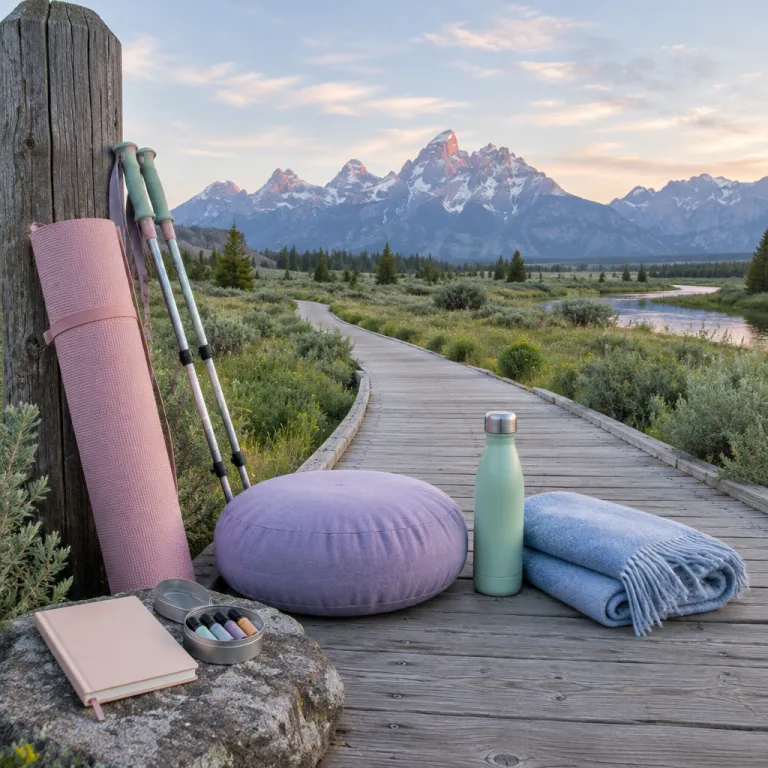
Aligning your inner rhythm with Jackson Hole’s seasons
Choosing the best time to go to Jackson Hole starts with your nervous system. Each season in this high-mountain valley shapes light, sound, and pace in ways that either soothe or overstimulate sensitive travelers. When you align your visit with your own energy cycles, the Teton Range becomes a partner in your wellness practice rather than just a scenic backdrop.
Mindful travel asks you to look beyond the idea of a single best season and instead feel into how winter, spring, summer, and fall support different intentions. In Jackson and across the wider Teton region of Wyoming, the same national park landscape can feel either contemplative or chaotic depending on crowd levels, wildlife activity, and weather patterns. Before you visit Jackson Hole, decide whether you need deep rest, gentle movement, or invigorating challenge, then match that to the right time of year.
For many wellness-focused guests, the most nourishing time to go to Jackson Hole is when the valley is quiet enough to hear the Snake River and the wind in the Teton Range. That might mean a late-spring or fall window, a calm winter week, or a shoulder-season summer stay away from school holidays. The more clearly you define your desired pace, the easier it becomes to choose a period that supports mindful activities rather than rushing between attractions.
Winter stillness in Jackson Hole for deep rest and reflection
Jackson Hole in winter offers some of the most profound silence you may ever experience. Fresh snow absorbs sound, softens the Grand Teton skyline, and turns every step into a slow, mindful activity. For travelers seeking introspection, this can be the best time to go to Jackson Hole, especially if you pair outdoor time with restorative practices indoors.
The mountain resort atmosphere at Jackson Hole Mountain Resort and Snow King Mountain brings world-class skiing and snowboarding, yet you can still craft a quiet retreat. Choose midweek dates during this season to avoid peak crowds, and you will find that each time you visit the slopes you can treat the descent as a moving meditation. Gentle cross-country skiing or snowshoeing near the National Elk Refuge or along the Snake River corridor allows for sustained wildlife viewing, steady breath, and a calm heart rate.
Cold weather demands respect, so winter is not the right time of year for every wellness traveler. If you are sensitive to low temperatures or limited daylight, consider whether a later spring or autumn period might suit your body better. However, if you crave stillness, the combination of snow-covered forests, quiet national park roads, and slow evenings in town can make this season a powerful reset before you next visit Jackson Hole in a livelier month.
For those comparing mindful seasons across destinations, you may find it helpful to read broader guidance on choosing the most mindful season for a major mountain journey. The same reflective approach applies when you decide the best time and best place to stay in Jackson or elsewhere in Teton landscapes.
Spring and fall shoulder seasons for balanced mindful travel
For many wellness-oriented visitors, the most balanced time to go to Jackson Hole is during the shoulder seasons of spring and fall. These periods offer milder weather, fewer crowds in both Grand Teton National Park and Yellowstone National Park, and more space for slow, intentional activities. The valley’s energy shifts noticeably between the intense winter skiing season and the busy summer hiking rush.
In early spring, snow still lingers on the Grand Teton peaks while the valley floor begins to thaw, creating a striking contrast that invites reflection. This is an excellent time of year for gentle walks near the Snake River, quiet wildlife-viewing drives, and contemplative visits to the National Elk Refuge as herds transition between winter and summer ranges. Late-spring and early-fall windows often bring crisp mornings, warm afternoons, and golden light that supports sunrise meditation or evening journaling sessions after you visit Jackson’s historic Town Square.
Autumn in northwest Wyoming is particularly suited to mindful travel, with aspen leaves turning gold and elk bugling echoing across the valley. The best time to go to Jackson Hole for those who love subtle color and cool air often falls between the peak summer crowds and the first major snow. During this season, you can move between national parks, mountain resort areas, and quiet riverside paths with ease, then deepen your relaxation with gentle day trips based on restful frameworks used by mindful travelers in other regions.
Summer energy, water rituals, and mindful adventure
Summer brings long days, warm weather, and a vibrant social energy that some wellness travelers find uplifting. If your intention is to blend mindful movement with community, this can be the best time to go to Jackson Hole. The key is to structure your time in the valley around early mornings and late evenings, leaving the busiest midday hours for rest, reading, or quiet indoor practices.
During this season, Grand Teton National Park and Yellowstone National Park are fully accessible, opening a wide range of activities that can be approached mindfully. Sunrise hikes near Jenny Lake, slow paddles on the Snake River, and gentle cycling in the valley all become opportunities to tune into breath and body. Wildlife viewing is excellent in early and late hours, especially for elk, bison, and birdlife, while the National Elk Refuge transitions into a calmer summer habitat.
Summer is also when Jackson, Teton Village, and nearby mountain resort areas host outdoor yoga sessions, wellness workshops, and music events that can either nourish or overwhelm depending on your boundaries. To keep your nervous system regulated, alternate active days in the national parks with slower days near water, perhaps integrating practices inspired by immersive bathing and sound-based relaxation. When you plan your time of year in this way, summer in Jackson Hole becomes less about constant activities and more about choosing the experiences that genuinely support your wellbeing.
Mindful wildlife viewing and ethical encounters across the year
One of the most powerful reasons to visit Jackson Hole is the chance to witness wildlife in a way that deepens respect for natural cycles. The best time to go to Jackson Hole for wildlife viewing depends on which species you hope to see and how you wish to experience them. A mindful approach means prioritizing distance, silence, and minimal impact in every season.
In winter, the National Elk Refuge becomes a focal point, with large herds visible against the snow and raptors circling overhead. Spring brings newborn animals and heightened sensitivity, so this time of year requires extra care to avoid disturbing nesting birds or young elk and bison. Summer and fall offer varied wildlife activities along the Snake River, in Grand Teton National Park, and throughout Yellowstone National Park, from bear sightings at dawn to migrating birds resting in wetlands.
Ethical wildlife viewing also means choosing guides and tours that respect park regulations and prioritize education over close encounters. When you visit Jackson Hole with a wellness mindset, you can treat each sighting as a moment to pause, breathe, and feel your place within a larger ecosystem. Whether you stand quietly near a river bend, watch elk move across a meadow, or observe fox tracks in fresh snow, the time you spend in these national parks becomes part of a long-term practice of humility and gratitude.
Designing a wellness centered itinerary in Jackson Hole
Once you have chosen the best time to go to Jackson Hole for your needs, the next step is to design an itinerary that protects your energy. Start by limiting the number of major activities per day, especially in high-season periods when national parks and mountain resort areas feel busier. Two intentional experiences, such as a sunrise walk and an evening soak, often serve wellness better than a packed schedule.
In winter, you might combine a morning of gentle skiing at Snow King or Jackson Hole Mountain Resort with an afternoon of restorative yoga and journaling. During spring and fall shoulder seasons, consider alternating days in Grand Teton National Park with quieter hours in Teton Village or along the Snake River, allowing your nervous system to integrate the sensory input. Summer itineraries can weave together early hikes, midday rest, and late-evening wildlife-viewing drives, always leaving space for unstructured moments.
Regardless of the time of year you choose, build in digital-free windows where you leave your phone in your room and simply walk, sit, or breathe. Mindful travel in this corner of Wyoming is less about ticking off national parks and more about how you feel while moving through them. When you treat every decision, from when you visit Jackson Hole to which trail you walk, as part of your wellness practice, the valley becomes not just a destination but a teacher.
Key figures on visitation, seasons, and wellness friendly timing
- Grand Teton National Park receives roughly 3 million recreational visits annually, with the majority concentrated in the peak summer season according to U.S. National Park Service statistics for the early 2020s; choosing shoulder seasons can significantly reduce crowd-related stress.
- Yellowstone National Park reports that more than half of all yearly visits typically occur between June and August, based on National Park Service monthly visitation summaries from recent years, which means that visiting in May, September, or October often provides quieter roads and viewpoints for mindful travelers.
- Average January temperatures in Jackson, Wyoming, are commonly below freezing, while July averages reach the low 20s °C (low 70s °F), according to long-term climate normals compiled by federal weather agencies, creating very different physiological demands and making season selection crucial for comfort-sensitive visitors.
- The National Elk Refuge can host thousands of elk during winter months, as documented in annual herd counts reported by refuge managers, offering high-probability wildlife viewing from designated areas without the need for long hikes, which benefits travelers with limited mobility or energy.
- Research in environmental psychology and public health, including studies published in the 2010s and early 2020s, suggests that time spent near flowing water, such as the Snake River, is associated with reduced stress markers and improved mood, reinforcing the value of river-based activities in wellness itineraries.
FAQ about the best time to go to Jackson Hole mindfully
What is the most peaceful month to visit Jackson Hole for wellness?
Late September and early October are often the most peaceful, with fewer visitors in Grand Teton National Park, cooler but comfortable weather, and vibrant fall colors that support reflective walks and quiet wildlife viewing.
Is winter in Jackson Hole suitable for beginners seeking gentle activities?
Yes, if you choose carefully; Snow King and Jackson Hole Mountain Resort both offer beginner-friendly skiing and snowshoeing options, and you can focus on short outings combined with ample indoor rest to avoid fatigue or cold stress.
How many days should a mindful traveler spend in Jackson Hole?
A minimum of four to five days allows time to adjust to altitude, explore Grand Teton National Park at a relaxed pace, and include at least one full rest day without structured activities, which is essential for a wellness-centered trip.
Is summer too crowded for a calm experience in Jackson Hole?
Summer can be busy, but you can still have a calm experience by visiting outside major holidays, starting activities at sunrise, spending midday hours resting away from crowds, and focusing on less popular trails and viewpoints.
Should I visit both Grand Teton and Yellowstone on a wellness focused trip?
You can, but it is often better to prioritize depth over distance; many mindful travelers choose to spend more time in Grand Teton National Park and the Jackson area, then add a shorter, carefully planned visit to Yellowstone National Park rather than rushing between too many locations.