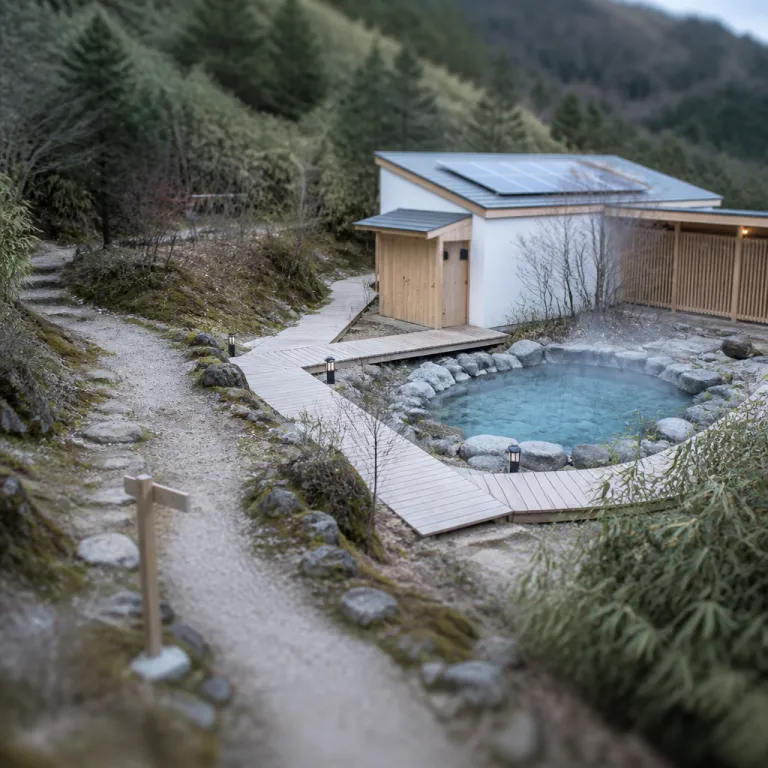
Why japan hiking tours are ideal for mindful and eco conscious travel
Japan is one of the few countries where a simple walk becomes a quiet ritual. With around 70 percent of Japan covered in mountains, hiking here offers rare access to forests, rivers and ridgelines that still feel deeply traditional. Many mindful travellers choose multi day hiking walking itineraries because each day naturally alternates effort, reflection and rest.
On curated japan hiking tours, the trail itself becomes a moving meditation, while the rhythm of each day encourages you to slow your breathing and your thoughts. Guided and self guided options allow you to match the level of structure you need, whether you prefer a fully guided walk or a more independent walking tour with digital maps. Operators such as Explore Share, MT Sobek and National Geographic Expeditions design days guided by local expertise so that every walk in Japan balances nature, culture and wellness.
Eco friendly japan hiking trips also reduce your footprint compared with fast paced city itineraries, because you travel mostly on foot and by public transport between trails. When you walk Japan on heritage routes like the Kumano Kodo or the Nakasendo trail, you support small villages rather than only major hubs. Many tours Japan wide now include luggage transfers by local drivers, which keeps your walking light while still channelling income into rural communities.
Mindful routes: kumano kodo, nakasendo trail and shikoku pilgrimage
The Kumano Kodo network in the Kii Peninsula is one of the best japan hiking routes for travellers seeking spiritual quiet. On the classic Kodo Nakahechi section, each day’s hiking walking stages lead through cedar forests, tiny hamlets and mossy shrines that invite unhurried pauses. Many guided tours Japan wide structure the trip so that you arrive at a hot spring village each evening, turning every day on the trail into a full body reset.
The historic Nakasendo trail offers a different kind of mindful walking, with stone paths linking traditional Japanese post towns between Kyoto and Tokyo. Here, a walking tour might include a gentle guided walk in the morning, followed by free time to enjoy tea houses, wooden inns and quiet riverside paths in the afternoon. Because the Nakasendo trail passes through protected valleys and a nearby national park area, your walk supports conservation friendly tourism instead of high impact development.
For deeper immersion in Japanese culture, the Shikoku pilgrimage weaves between 88 temples and countless rural communities. You do not need to complete the entire Shikoku pilgrimage to benefit from its contemplative rhythm, as many japan hiking tours focus on a few days guided along the most scenic coastal and mountain sections. If you are drawn to mindful wildlife encounters and ocean landscapes, you may also appreciate this mindful guide to eco friendly sea journeys as a complementary inspiration for future trips.
Wellness on the trail: hot springs, traditional japanese meals and restorative stays
Thoughtful japan hiking tours treat each evening as part of the wellness journey, not just a place to sleep. After a long walk, slipping into a steaming hot spring or quiet hot springs complex relaxes muscles and calms the nervous system. Many traditional Japanese inns along the Kumano Kodo and Shikoku routes are built around a natural hot spring, so you can move directly from trail to bath.
Meals matter just as much as the hiking, especially when you want your trip to feel nourishing rather than depleting. In many ryokan and minshuku, hosts serve multi course kaiseki style dinners that highlight seasonal vegetables, river fish and regional specialties, while the next morning’s breakfast is usually simple, warm and grounding. Some japan hiking itineraries even specify a multi course vegetarian dinner day to align with temple stays or personal wellness preferences.
Mindful walkers often choose stays that reflect Japanese culture through architecture, gardens and hospitality rituals instead of generic lodging. When you plan a walking tour that includes both a guided walk and time for private reflection in your room or in an on site hot spring, you create space for emotional integration as well as physical rest. For travellers who value restorative stays in other regions too, this piece on a mindful luxury safari experience offers useful parallels in how to balance comfort with eco responsibility.
Designing an eco friendly itinerary: pace, days guided and luggage transfers
Choosing the right structure for your japan hiking tours will shape how restorative the experience feels. A fully guided trip with several days guided by local experts can be ideal if you want to focus on breath, scenery and Japanese culture rather than navigation. Self guided options, supported by digital maps and pre arranged luggage transfers, suit experienced hikers who enjoy a quieter, more solitary walk.
When planning your days, aim for hiking walking stages of 10 to 18 kilometres, which allow time for slow meals, journaling and unhurried photography. Many travellers underestimate how a steep trail or humid day in Japan can amplify fatigue, so building in a lighter day or rest day every three or four days is wise. Spring and autumn are widely considered the best seasons for a mindful hiking trip, because temperatures are moderate and the landscapes glow with cherry blossoms or autumn foliage.
Eco conscious walkers can further reduce impact by using trains and buses to reach trailheads, rather than private cars. On routes like the Kodo Nakahechi or the Nakasendo trail, local buses connect villages, while luggage transfers keep your day pack light enough for a relaxed walking tour. If you are evaluating different wellness focused itineraries, this guide to evaluating wellness retreats beyond the booking page offers criteria that apply equally well to japan hiking experiences.
Mindful cultural immersion: rituals, etiquette and guided experiences
Walking slowly through Japan’s countryside gives you time to engage with Japanese culture in a way that fast city trips rarely allow. On many japan hiking tours, your guide will pause at roadside shrines, tea houses and small farms to explain local customs and stories. This kind of guided walk turns each day into a moving classroom, where you learn how spiritual traditions, agriculture and community life intertwine.
Simple rituals can deepen your sense of presence on the trail, whether you bow at a torii gate, wash your hands at a temple basin or share a quiet breakfast with fellow walkers. On the Shikoku pilgrimage, for example, some hikers wear white vests and carry small bells, using each step as a form of walking meditation. Along the Kumano Kodo, you might join a short ceremony at a grand shrine, then continue your hiking walking route with a renewed sense of intention.
Respectful behaviour is central to mindful travel in Japan, especially in small communities that host only a few tours Japan wide each season. Removing shoes indoors, speaking softly in shared spaces and following bathing etiquette in a hot spring all signal appreciation for traditional Japanese norms. When you align your pace, your walking tour choices and your daily actions with local expectations, your trip supports both cultural continuity and personal wellbeing.
Practical wellness tips for japan hiking tours, from packing to safety
Thoughtful preparation allows your body and mind to fully enjoy each walk in Japan. Before your trip, build up to walking several hours a day on varied terrain, so that the first steep trail does not shock your system. Comfortable hiking shoes, moisture wicking layers and a light day pack are essential for both safety and ease.
Hydration and nutrition are equally important on multi day japan hiking itineraries, especially in humid regions or during summer. Carry at least one and a half litres of water for each day, plus snacks that combine protein, complex carbohydrates and salt to support steady energy. Many guided tours include both dinner and breakfast, but you should still pack extra food in case a remote village shop is closed.
Safety on the trail is largely a matter of preparation and respect for conditions. Check weather forecasts each day, adjust your hiking walking plans if heavy rain is expected and always carry a simple first aid kit. As one expert summary notes, “Check weather conditions. Wear appropriate gear. Respect local customs. Stay hydrated.”
Key statistics for mindful hiking in japan
- Approximately 70 percent of Japan’s land area is mountainous, which means most japan hiking tours can access varied elevation and forest ecosystems within relatively short travel distances (InsideJapan Tours, data referenced by the travel industry).
- Japan currently has 25 UNESCO World Heritage Sites, and several major japan hiking routes such as the Kumano Kodo pilgrimage network are part of these protected cultural landscapes (National Geographic Expeditions, heritage overview).
- Guided hiking tours in Japan now operate year round, with spring and autumn identified by operators like MT Sobek and Explore Share as the best seasons for comfortable temperatures and scenic blossoms or foliage.
- Industry reports highlight increased interest in eco tourism and growth in self guided tours, reflecting a shift toward slower, more mindful walking travel that relies on digital navigation tools rather than large coach groups.
FAQ about wellness focused japan hiking tours
What is the best time of year for hiking in Japan ?
Spring and autumn offer the most comfortable temperatures and the most visually striking landscapes for japan hiking tours. In spring, many routes feature cherry blossoms, while autumn brings intense red and gold foliage to mountain valleys. Summer can be rewarding at higher elevations, but humidity and heat make slow, mindful walking more challenging at lower altitudes.
Are there japan hiking tours suitable for beginners ?
Many guided and self guided itineraries are designed specifically for beginners who want a gentle walking tour with cultural depth. Routes such as selected sections of the Nakasendo trail or shorter stages of the Kodo Nakahechi offer manageable distances with good infrastructure. Operators typically provide clear grading, so you can choose days guided that match your current fitness and comfort level.
Do I need to speak Japanese to join a hiking tour ?
You do not need to speak Japanese to participate in most organized japan hiking tours, because many guides are fluent in English. Signage on major routes like the Kumano Kodo and Nakasendo trail is usually bilingual, which helps on self guided trips. Learning a few basic phrases is still respectful and can enrich your interactions with hosts in traditional Japanese inns.
What should I pack for a mindful hiking trip in Japan ?
Pack broken in hiking shoes, layered clothing suitable for the season, a lightweight waterproof jacket and a small day pack. Include a reusable water bottle, sun protection, simple first aid items and any personal wellness tools such as a journal or meditation app. If your tour includes luggage transfers, you can keep your on trail load light while your main bag travels between accommodations.
Are there age restrictions or fitness requirements for these tours ?
Age policies vary between operators, but many japan hiking tours welcome a wide range of ages as long as participants can comfortably walk the planned daily distances. Fitness requirements are usually described in detail, with options from leisurely walking tours to more demanding mountain hikes. When in doubt, discuss your typical day of activity with the tour provider so they can recommend the most suitable itinerary.