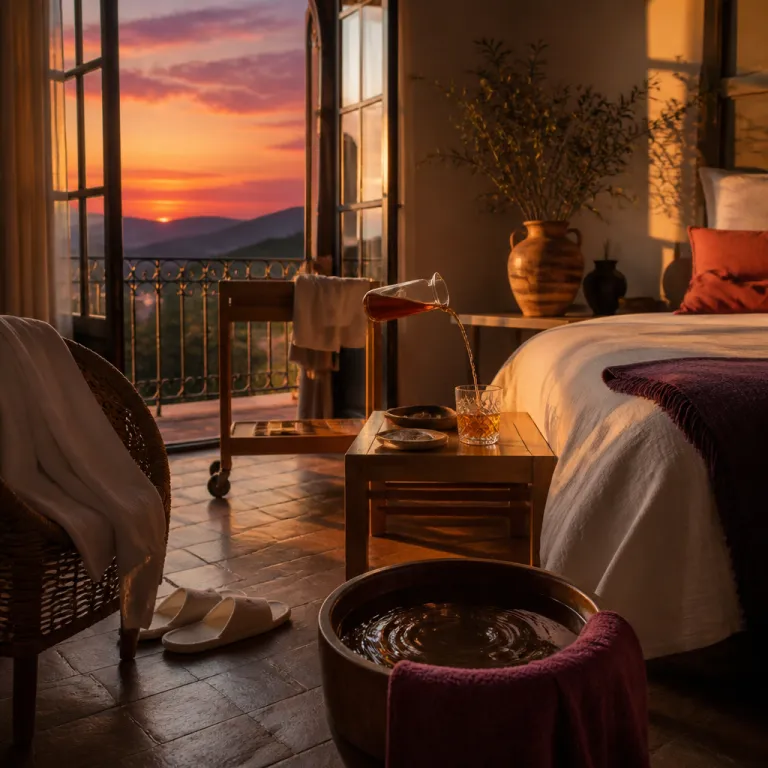
From hospital corridor to Mediterranean suite: what a European longevity clinic stay really offers
A longevity clinic in Europe that offers overnight wellness is no longer a sterile ward with fluorescent lighting. It is a calibrated environment where medical diagnostics, sleep architecture, and quiet luxury are orchestrated to support long term health and measurable gains in biological resilience. When you book this kind of stay, you are effectively stepping into a controlled experiment on your own body, overseen by clinicians rather than spa attendants.
Across the leading longevity clinics, the day usually starts with fasting bloodwork, advanced diagnostics, and sometimes epigenetic or biological age testing using validated clocks such as Horvath-style methylation panels or phenotypic age algorithms. These medical assessments sit alongside more familiar wellness rituals such as guided breathwork, hydrotherapy circuits, and nutrition consultations that translate lab data into plates of food rather than abstract charts. The best retreats in this space make the science legible, so you understand how each therapy, each meal, and each hour of sleep is meant to support long term cellular repair and cardiometabolic health.
Think of the modern European longevity clinic as a hybrid between a preventive medicine center, a quiet medical wing, and a restrained spa retreat. You check in for a defined program, usually between three and seven days, and your stay is structured around therapies that target inflammation, metabolic flexibility, and nervous system balance. The focus is not only on immediate wellness but on shifting biological markers that predict future health, from cardiovascular risk scores and lipid profiles to insulin sensitivity and sleep efficiency.
Clinics now talk less about pampering and more about medical wellness, with physicians, nutritionists, and movement specialists working as a single équipe. Their aim is to combine evidence based interventions such as supervised fasting, Mediterranean style nutrition, and structured exercise with adjunctive tools like intravenous micronutrient infusions, hyperbaric oxygen, or cryotherapy, which currently have a more mixed evidence base and are often positioned as experimental or adjunctive rather than core treatments. This is where longevity retreats differ from generic wellness retreats; the emphasis is on data driven change rather than vague notions of balance.
For business leisure travelers, the appeal of a longevity clinic Europe overnight wellness stay is clear. You can land in Zürich, Geneva, Málaga, or Lisbon, check into a clinic that feels like a discreet resort, and emerge a few days later with a personalised protocol and a sharper sense of your own biological baseline. The trade off is cost and intensity, which we will unpack before you commit to a week of green juices, continuous glucose monitoring, and early nights.
The European circuit: from Clinique La Prairie to SHA Wellness Clinic and beyond
Europe now hosts more than fifty longevity clinics, according to a 2023 sector overview from the European Wellness Association, and a growing number welcome overnight guests for structured retreats. At the Swiss end of the spectrum, Clinique La Prairie near Montreux has become shorthand for high net worth longevity, pairing medical wellness programs with lake views and a clinical équipe that moves seamlessly between advanced diagnostics and old world bedside manner. Here, a typical day might include cellular level assessments, biological age testing, and therapies designed to support long term mitochondrial health, alongside more conventional cardiology and internal medicine consultations.
Further along the lake, Palace Weggis and Chenot Palace Weggis on the shores of Lake Lucerne have refined the concept of a medical wellness retreat in a more alpine key. Their programs combine advanced detox protocols, supervised calorie restriction, and targeted therapies that address inflammation, posture, and stress resilience. Guests come for a week long stay, leave with a detailed health report summarising lab results and body composition trends, and often book their next longevity retreat before checking out, treating it as an annual reset rather than a one off indulgence.
On the Mediterranean side, SHA Wellness Clinic in Spain has become the reference point for a longevity clinic Europe overnight wellness experience in warmer light. SHA Spain, set above the Costa Blanca, runs intensive medical programs that integrate sleep medicine, metabolic health, and mindful movement, while SHA Wellness also operates in Latin America for those who want a different climate. The SHA Wellness approach is unapologetically medical, yet the retreats still feel like wellness retreats, with macrobiotic leaning cuisine, sodium conscious menus, and terraces that invite you to sit still between therapies.
In Italy, Palazzo Fiuggi has reimagined a historic palace as a medical wellness destination where thermal waters meet cutting edge diagnostics. Programs here focus on detoxification, weight management, and longevity, with clinicians using advanced tools to track changes in biological markers over the course of a seven day stay. Guests often compare the experience to a private clinic embedded in a grand hotel, where each retreat is calibrated to the body rather than the other way around, and where follow up calls or telemedicine check ins are increasingly common.
For travelers who prefer the Atlantic to the Alps, the Spain Portugal axis is gaining momentum, with retreats Europe wide now referencing Iberian pioneers. While you are mapping your own wellness retreats calendar, it is worth noting how simple plant based protocols are being studied in preventive medicine and sports recovery, illustrating how modest, consistent interventions can influence biological resilience. The same principle underpins many therapies at longevity clinics; small, repeated inputs that nudge the body toward better health over time, rather than one dramatic intervention.
Inside a typical program: diagnostics, therapies, and the rhythm of an overnight stay
Arriving at a longevity clinic for an overnight wellness stay feels different from checking into a conventional resort. You are greeted not just by reception staff but by a medical équipe that will follow you through the entire program, from the first blood draw to the final debrief. The intake process is clinical yet calm, with questionnaires that probe sleep, stress, digestion, medication use, and long term health goals, often supplemented by validated screening tools for cardiovascular and metabolic risk.
Most longevity clinics in Europe structure their retreats around a core of advanced diagnostics on day one, followed by targeted therapies on subsequent days. You might start with fasting bloodwork, body composition scans, cardiovascular testing such as ECG or stress tests, and sometimes genetic or epigenetic panels that estimate your biological age. These data points inform a personalised program that can include intravenous nutrient therapies, ozone treatments, lymphatic drainage, and supervised movement sessions designed to support long term musculoskeletal health; clinics that follow evidence based practice will distinguish clearly between established treatments and more exploratory modalities.
At Chenot Palace Weggis, for example, the medical wellness concept is anchored in detoxification and cellular repair. Guests follow a calorie controlled menu, undergo hydrotherapy and body treatments, and attend consultations that interpret lab results in plain language. The aim is to align subjective wellness with objective markers, so you leave understanding how your body responded to the retreat rather than just feeling temporarily lighter, and you receive written recommendations that can be shared with your home physician.
Clinique La Prairie takes a more explicitly longevity focused approach, with programs that may include regenerative medicine consultations, high tech diagnostics, and a strong emphasis on recovery. Their clinicians talk about combining advanced medical tools with lifestyle coaching to extend healthspan, not just lifespan. As one of their standard explanations puts it, “Medical diagnostics, personalized therapies, and holistic treatments” sit at the core of what a longevity clinic should offer, while any use of stem cell based or regenerative techniques is typically framed within current regulatory guidance and discussed in detail during informed consent.
Beyond Switzerland and Spain, the European circuit now includes Lanserhof in Austria and Germany, Ora The Longevity Bay in La Baule, and Longevity House in the Cotswolds, each with its own rhythm of day and night. If you are curious about how other regions are integrating ancient practices with modern travel, recent analyses of Chinese healing tourism in Southeast Asia offer a useful counterpoint to the European model, highlighting different approaches to herbal medicine and community based care. What unites these places is a belief that a carefully designed stay, even just a few days long, can shift the trajectory of your health when guided by rigorous clinical oversight and realistic expectations.
Costs, value, and what you actually take home
Pricing at a longevity clinic Europe overnight wellness property can be confronting if you are used to even high end spa rates. A three day program at a mid range medical wellness clinic in Europe often starts around 4 000 to 6 000 US dollars, while a week at a flagship property such as Clinique La Prairie, Chenot Palace, or SHA Wellness Clinic can easily reach 15 000 to 25 000 US dollars once diagnostics, therapies, and accommodation are included. These figures reflect not just the room but the density of medical expertise, the time of board certified clinicians, and the advanced equipment deployed during your stay.
The question is whether that investment translates into meaningful longevity and health benefits beyond a transient sense of wellness. The most credible longevity clinics are explicit about outcomes, providing detailed reports that track changes in biological markers such as inflammatory profiles, lipid panels, blood pressure, and insulin sensitivity. You leave with a written protocol that covers nutrition, movement, sleep, and sometimes supplementation, designed to support long term change rather than a short lived retreat glow, and you are usually encouraged to share this plan with your primary care team.
Insurance coverage for these programs remains patchy, and the dataset confirms the official line that “Coverage varies; consult your insurance provider.” Some guests treat the cost as a strategic allocation within their overall health budget, much like private education or executive coaching. Others view it as a periodic reset, returning to the same clinic every year or two to recalibrate their lifestyle and update their data, sometimes alternating between more intensive and lighter follow up stays.
Value also lies in the behavioural reset that an immersive retreat can catalyse. When you spend several days in an environment where every meal, therapy, and conversation is oriented toward longevity, it becomes easier to reframe daily habits once you return home. Reading about how small, consistent interventions shape resilience in other species, such as research on the health benefits of herbs in animal husbandry or caloric restriction in laboratory models, can reinforce the idea that incremental changes accumulate over time.
For executives extending business trips into leisure, the calculation is often about opportunity cost rather than headline price. A four day stay at a wellness clinic in Spain or a week at a medical wellness palace in Switzerland might replace several fragmented weekends of self care that never quite materialise. The key is to choose a program whose intensity, clinical focus, and follow up support align with your current health status, your appetite for change, and your willingness to maintain new routines once you are back in your usual environment.
How to read the fine print: credentials, methods, and red flags
Not every property marketing itself as a longevity clinic in Europe with overnight wellness has the same depth of medical expertise. Before you book, examine the clinical leadership, looking for board certified physicians in internal medicine, endocrinology, cardiology, or preventive medicine rather than generic wellness titles. A credible clinic will publish its medical équipe, list their qualifications, and be transparent about which therapies are evidence based, which are supported by emerging but still limited data, and which are primarily experiential.
Pay close attention to how a program describes its advanced diagnostics and therapies. You want clear explanations of what each test measures, how often it should be repeated, and how results will influence your personalised plan. Be wary of any clinic that leans heavily on buzzwords like cutting edge or cellular rejuvenation without specifying the underlying mechanisms, the evidence base, and the potential risks, and ask directly whether any interventions are considered off label or experimental under local regulations.
Another marker of seriousness is how a clinic integrates holistic treatments with medical oversight. The best longevity retreats in Europe use nutrition, movement, and stress management as foundational tools, then layer on more intensive interventions such as intravenous infusions or hyperbaric oxygen only when clinically indicated. They also provide structured follow up, sometimes via telemedicine or app based coaching, to support long term adherence rather than leaving you with a thick report and no guidance.
Logistics matter as well, especially if you are combining a retreat with business travel. Check program duration carefully; the dataset notes that the average program runs for seven days, but some clinics offer shorter intensives that can fit between meetings. Consider travel time, transfer arrangements, and whether the clinic environment supports genuine rest, with quiet rooms, natural light, and minimal digital noise, as sleep quality is one of the most consistently evidence based levers for long term health.
Finally, interrogate the marketing language around free gifts, loyalty perks, or add on packages. A serious medical wellness clinic may offer small amenities, but it will not hinge your decision on a free gift or a cosmetic upgrade. Your focus should remain on the calibre of the medical équipe, the transparency of the methods, the clinic’s willingness to say no to therapies that are not appropriate for your current health status, and the clarity of any safety protocols for managing adverse events.
Choosing your place on the map: matching clinic, country, and personal goals
Once you understand what a longevity clinic Europe overnight wellness stay entails, the next step is choosing where to go. Switzerland remains the archetype for high intensity medical wellness, with Clinique La Prairie, Chenot Palace Weggis, and the Kusnacht Practice offering some of the most advanced and expensive programs on the continent. These clinics suit travelers who want deep diagnostics, a high clinician to guest ratio, and are comfortable with a more clinical atmosphere and stricter daily schedules.
Spain and Portugal offer a different rhythm, blending Mediterranean ease with serious medical oversight. SHA Wellness Clinic in Spain, along with emerging concepts in the Spain Portugal corridor, tends to attract guests who want structured programs but also value sunlight, sea air, and a slightly softer aesthetic. Here, wellness retreats often weave in outdoor movement, lighter cuisine, and a social atmosphere that still respects early nights and quiet mornings, making them appealing for couples or small groups.
France and the United Kingdom are building their own micro circuits, with Ora The Longevity Bay in La Baule and Longevity House in the Cotswolds positioning themselves as more intimate retreats. These clinics may not yet match the scale of the Swiss giants, but they appeal to travelers who prefer shorter stays, easier access from major cities, and a more personal relationship with the medical équipe. For some, this balance between proximity and depth makes it easier to return regularly, which is where the real longevity benefits accumulate through repeated measurement and adjustment.
When comparing options, be honest about your current health, your tolerance for structure, and your budget. A seven day intensive at a flagship Swiss clinic might be the best choice if you need comprehensive diagnostics and are ready for a full reset, while a three or four day program in Spain could be more realistic if you are testing the waters. Remember that longevity is a long term project; the retreat is a catalyst, not the entire journey, and its impact depends on how well you integrate the recommendations into daily life.
Whichever clinic you choose, treat the stay as the beginning of a conversation with your own body rather than a one off intervention. Use the time to observe how you respond to different therapies, how your sleep shifts without late night screens, and how your mind feels when the day is structured around health rather than deadlines. That awareness, more than any free gift or spa upgrade, is what will keep supporting you long after your suitcase is unpacked and your lab results are filed away.
Key figures on European longevity clinics and wellness retreats
- The European Wellness Association reports around 50 dedicated longevity clinics operating across Europe in its 2023 sector overview, indicating a significant shift from traditional spas toward medically supervised wellness retreats and preventive health programs.
- Clinic reports show that the average program duration at European longevity clinics is seven days, which aligns with the minimum time needed to run comprehensive diagnostics, adjust therapies, and observe short term biological changes such as shifts in blood pressure or inflammatory markers.
- Costs for a three to seven day medical wellness program at leading clinics such as Clinique La Prairie, Chenot Palace Weggis, and SHA Wellness Clinic typically range from 5 000 to 25 000 US dollars, reflecting the inclusion of advanced diagnostics, intensive therapies, and full board accommodation in a clinical resort setting.
- Most European longevity clinics operate year round, allowing business leisure travelers to align retreats with existing trips rather than waiting for a specific season or retreat window, and enabling repeat visits at different times of year.
- Programs increasingly integrate technology such as continuous glucose monitoring, sleep tracking, and digital follow up, mirroring the broader rise in personalized medicine and biohacking within the wellness travel sector and providing more objective data for before and after comparisons.
FAQ about longevity clinics that welcome overnight guests
What is a longevity clinic, and how is it different from a spa?
A longevity clinic is a medical facility that offers structured programs to enhance healthspan and extend lifespan through diagnostics, personalised therapies, and holistic treatments. Unlike a spa, which focuses mainly on relaxation, a longevity clinic uses advanced medical tools, laboratory testing, and physician oversight to design targeted interventions. The atmosphere may be comfortable and serene, but the core purpose is clinical rather than purely recreational, and outcomes are tracked with measurable health indicators.
Are longevity clinic programs usually covered by health insurance?
Coverage for longevity clinic programs varies widely between countries and insurers, and many guests pay out of pocket. The official guidance from clinics and industry bodies is clear; “Coverage varies; consult your insurance provider.” It is essential to request detailed invoices, medical codes, and treatment summaries in advance if you plan to seek partial reimbursement or apply funds from a health savings account.
What kinds of treatments can I expect during a typical stay?
Most longevity clinics in Europe offer a mix of medical diagnostics, personalised therapies, and holistic treatments tailored to your health profile. You can expect blood tests, body composition analysis, cardiovascular assessments, and sometimes genetic or epigenetic testing, followed by nutrition plans, movement coaching, and stress management work. Some clinics also provide more intensive options such as intravenous infusions, hyperbaric oxygen, or cryotherapy when clinically appropriate, and reputable providers will explain the current evidence and any known risks before you consent.
How long should I stay at a longevity clinic to see benefits?
Clinic data suggest that a minimum of three days is needed to complete basic diagnostics and initiate targeted therapies, while seven day programs allow for more comprehensive assessment and observable short term changes. The dataset confirms that the average program duration in Europe is seven days, which many guests treat as an annual or biannual reset. Long term benefits, however, depend on how consistently you apply the clinic’s recommendations once you return home and whether you schedule periodic follow up assessments.
How do I choose the right clinic for my needs and budget?
Start by clarifying your primary goals, whether they are metabolic health, stress reduction, weight management, or general longevity, then shortlist clinics whose programs explicitly address those areas. Review medical credentials, diagnostic capabilities, and follow up support, and compare costs for three to seven day stays across different countries such as Switzerland, Spain, Portugal, France, and the United Kingdom. Finally, consider travel time, language, and the overall atmosphere, choosing a place where you can genuinely rest while engaging fully with the medical program and where the level of clinical intensity matches your current health status.