Why off grid wellness accommodation is redefining family wellbeing
Off grid wellness accommodation is no longer a fringe idea for solo seekers; it is quietly becoming one of the most effective resets for families who need real rest. When you trade kids’ clubs and infinity pools for a simple cabin powered by solar energy and surrounded by nature, the nervous system often responds in ways a five-star spa rarely manages. Many guests stay only a single night at first, yet they report a deeper connection with the landscape and better sleep than during longer conventional holidays.
Early industry surveys and internal guest feedback from retreat operators suggest that average stress reduction reported by visitors can reach around 30 %, a figure echoed in what many parents describe anecdotally when they choose these wellness retreats over crowded resorts. These numbers typically come from small, self reported questionnaires rather than large clinical trials, so they should be read as indicative mood shifts rather than medical outcomes. Families are not chasing a themed wellness programme but an off grid retreat where the building, the silence and the lack of Wi Fi create a natural digital detox for every person in the family. When people stay off grid in this way, they often notice that children adapt fastest, moving from screens to stones, streams and hiking trails within a day.
Hosts who specialise in this kind of retreat design their spaces as tools for wellbeing, not just as places to sleep. Ripple Work Massage in Troy, Montana, for example, offers an off grid wellness stay where a compact cabin and massage studio sit nestled in nature beside forest and river, with solar panels providing just enough power for light and hot water. Wolf Valley Ranch in British Columbia follows a similar philosophy, placing lakeside cabins in quiet coves so guests stay close to wildlife, weather and the changing light rather than to room service or television.
How architecture and design turn a simple retreat into therapy
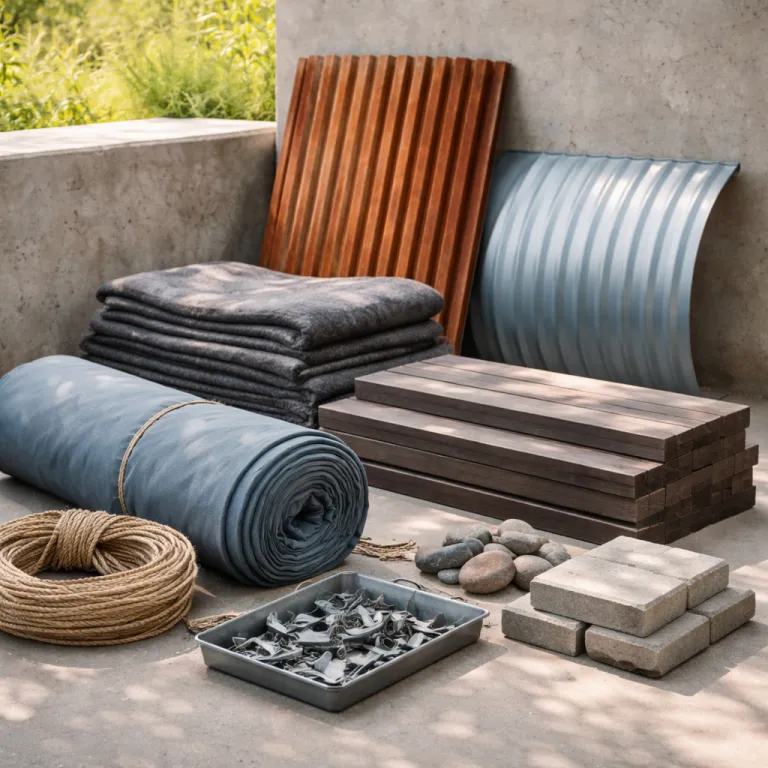
The most interesting off grid wellness accommodation today borrows more from Scandinavian hytte culture and New Zealand backcountry huts than from urban luxury apartments. Smaller footprints, natural materials and carefully framed views of nature reduce cognitive load, which is why a tiny cabin can feel more spacious to the mind than a sprawling suite. When a retreat uses untreated wood, stone, wool and linen, it creates a tactile connection with the outdoors that calms the body before any formal yoga or meditation session begins.
Inner Soil Massage and Wellness in Wisconsin’s Driftless Region illustrates this beautifully with its tiny homes concept, where each compact structure is nestled into a hillside and oriented toward sunrise rather than the parking area. Inside, there is enough solar power for soft lighting and reliable hot water, but no television and often no Wi Fi, so the space itself encourages yoga, meditation or quiet reading instead of passive scrolling. Families who book a flexible two or three night stay here often describe the visit as a unique experience in simplicity, especially when children help light the stove or fetch filtered water.
Across the border in Ontario, Off Grid Retreat offers private cabins that lean into this therapeutic design even more strongly. Each cabin is set back from the track, so guests stay in visual contact with forest and sky rather than with other people, and the interiors are stripped back to essentials that support rest, stretching and slow meals. One Canadian architect who regularly consults on such projects describes the goal as “removing every distraction that does not serve sleep, conversation or time outdoors,” a principle that readers can adapt at home by simplifying bedrooms, dimming evening lighting and creating small, screen free corners for daily reflection.
Global off grid wellness retreats for families who value silence
Once you start looking for off grid wellness accommodation, you realise how many regions now treat silence as a core amenity. In the Scottish Highlands, simple bothies function as informal hiking retreat bases, where families can walk in during the day, light a fire at night and fall asleep with no grid connection at all. Norway’s traditional hytte culture offers a similar pattern, with compact cabins scattered along lakes and forests so people can stay off grid for several days while still enjoying safe, well marked trails.
Further south, eco friendly pods in Portugal’s Alentejo region and turf roofed cabins in Iceland provide a different kind of unique experience, pairing solar panels with thick insulation so guests stay warm while the wind roars outside. Parents often report that this kind of digital detox feels more like an adventure than a restriction for children, especially when the host leaves maps, binoculars and simple nature journals instead of tablets. In these places, yoga classes are sometimes offered outdoors at sunrise, but the real practice is the quiet hour after breakfast when everyone simply watches the light move across the landscape.
For families planning a European summer focused on wellness retreats rather than beach clubs, our guide to serene European mindful escapes highlights regions where off grid cabins and eco lodges are becoming more accessible. National Geographic and Suitcase Magazine have both profiled cabins, yurts and shepherd’s huts as defining shapes of the new mindful travel era, and booking platforms report a strong increase in demand for off grid stays since the early pandemic years. Some providers mention rises of around 50 % in searches or reservations for digital detox and eco friendly travel, although figures vary by region and platform. The key is to find a retreat where the setting, the host’s ethos and the surrounding nature all align with your family’s appetite for simplicity.
What off grid really means for power, comfort and eco credentials
Off grid wellness accommodation is not a single standard, and understanding the spectrum helps families choose the right level of disconnection. At one end, you have fully independent cabins that rely entirely on solar power, rainwater collection and composting toilets, which can be ideal for older children who enjoy a camping style experience. At the other end, some wellness retreats remain connected to the grid for backup electricity but switch off Wi Fi and screens, using solar panels mainly to heat hot water and reduce their eco footprint.
Properties like those in the Folly Collection around the Mojave and Joshua Tree sit in the middle of this spectrum, offering architect designed cabins with strong eco friendly credentials and enough comfort for multi generational groups. Here, guests stay in structures that use passive cooling, carefully oriented windows and minimal artificial lighting to maintain a strong connection with the landscape without sacrificing sleep quality or safety. Hosts are usually transparent about their systems, explaining how much energy the off grid retreat generates, how water is filtered and what guests can expect during a cloudy day or a windy night.
For parents, the practical questions often revolve around heating, showers and the availability of yoga classes or guided meditation. Many off grid hosts now partner with local wellness practitioners to offer small group yoga and meditation sessions on decks or in simple pavilions, while still keeping the overall feel of a hiking retreat rather than a spa resort. When you read reviews, look for details about water pressure, temperature swings and how people describe the soundscape at night, because these clues tell you more about comfort and true eco performance than any marketing label.
Planning a family friendly digital detox without drama
Designing a family trip around off grid wellness accommodation requires more intention than booking a standard resort, but the payoff is significant. Start by involving children in the planning, explaining that this retreat is a digital detox experiment where everyone, adults included, will stay off grid for a set number of hours each day. Framing it as a time limited challenge, with a clear first and last night, helps people of all ages feel more flexible and curious rather than deprived.
Next, choose a property where the host understands family dynamics and has thought about simple activities that connect nature with play. Crazy Wellness Retreat in Mineral Wells, Texas, for example, combines cabins and wellness activities so that a typical day might include a short family yoga class, a guided meditation by the lake and unstructured time for hiking or drawing. In Costa Rica and South Africa, many eco friendly lodges now offer similar wellness retreats, pairing short yoga classes with guided walks so that guests stay engaged with the landscape rather than with devices.
It is also worth reading the cancellation policies carefully, because off grid cabins often operate with fewer units and stricter terms than large hotels. Look for hosts who balance clear rules with a flexible approach to weather disruptions or family emergencies, and pay attention to how they respond to reviews that mention children or multi generational groups. For more detailed advice on aligning this kind of trip with your broader life, our guide on planning a mindful travel itinerary that changes your daily routine offers step by step frameworks that work well for parents.
Where to book: trusted off grid hosts in North America
North America has become a quiet laboratory for off grid wellness accommodation, with a handful of hosts building reputations on depth rather than volume. Ripple Work Massage in Montana focuses on one compact cabin and a massage studio, using the surrounding nature as the main wellness tool while offering bodywork sessions that help guests stay present in their bodies. Wolf Valley Ranch in British Columbia takes a lakeside approach, placing cabins along the shore so that each night brings a different pattern of moonlight, mist and wildlife sounds.
In Ontario, Off Grid Retreat offers a more private, almost monastic retreat style, where people stay in widely spaced cabins and often structure their day around solo hiking, journaling and simple yoga or meditation practices. Inner Soil Massage and Wellness in Wisconsin’s Driftless Region leans into the tiny homes trend, proving that wellness retreats do not need vast footprints to feel generous when they are surrounded by trees and oriented toward sunrise. Across these properties, the common thread is a host who treats shelter, landscape and silence as equal partners in the wellness experience.
When you compare options, pay attention not only to price per night but to what is included in the stay beyond the bed. Some hosts provide yoga classes, guided meditation or access to local hiking retreat routes, while others simply offer the space and trust guests to find their own rhythm. Before you commit, read several recent reviews, ask direct questions about power, water and safety, and remember that the most transformative off grid retreat is often the one with the fewest amenities and the strongest, simplest connection to nature.
Key figures on off grid wellness accommodation
- Guest surveys from various retreats indicate an average self reported stress reduction of around 30 % after an off grid stay, although methodologies vary and figures should be read as indicative rather than definitive.
- Industry commentary and booking platform data point to a substantial rise in reservations for off grid accommodations since the early pandemic period, with some providers reporting increases of around 50 % in demand for digital detox and eco friendly travel.
- Many off grid cabins now rely on solar power for at least part of their energy needs, reducing grid dependence and lowering emissions compared with conventional hotel rooms of similar size.
- Wellness tourism as a whole has grown faster than general tourism, and off grid wellness accommodation represents a growing niche within that market for people seeking deeper nature immersion.
Quick booking checklist for families
- Confirm how electricity is generated, whether there is backup power and what you can realistically plug in.
- Ask about water source, filtration, shower pressure and any limits on hot water use.
- Check heating and cooling systems, insulation and what temperatures to expect at night.
- Review safety basics: access roads, lighting, first aid supplies and how to reach help in an emergency.
- Clarify Wi Fi availability, mobile signal strength and any house rules on screen use.
FAQ about off grid wellness accommodation
What is off grid wellness accommodation ?
Off grid wellness accommodation refers to secluded cabins, tiny homes or similar structures that prioritise relaxation, nature immersion and reduced technology use, often operating with limited or no connection to the main electricity grid. These places typically use solar panels or other renewable systems and are designed to support practices such as yoga, meditation and mindful hiking. The goal is to create a setting where shelter and landscape work together to enhance wellbeing.
Are these accommodations eco friendly ?
Most off grid wellness retreats are intentionally eco friendly, using solar power, efficient insulation and low impact water systems to minimise their environmental footprint. Many hosts source materials locally, reduce single use plastics and design cabins to stay comfortable with minimal heating or cooling. When you research a specific retreat, look for clear explanations of energy, water and waste systems rather than generic sustainability claims.
Do off grid retreats offer guided wellness activities ?
Many off grid properties collaborate with local practitioners to offer yoga classes, meditation sessions or simple wellness workshops, especially during peak seasons. Some, such as Crazy Wellness Retreat in Texas or Inner Soil Massage and Wellness in Wisconsin, integrate bodywork and movement into the core stay. Others focus on providing quiet space and access to trails, leaving guests free to create their own practice.
Is there electricity and hot water in off grid cabins ?
Electricity levels vary, but a growing number of cabins use solar panels to power basic lighting, device charging and reliable hot water for showers. Truly remote retreats may limit power use to certain hours or ask guests to be mindful of consumption during cloudy weather. When booking, always check what systems are in place so your family’s comfort expectations match the reality of the stay.
How should I prepare for an off grid family stay ?
Preparation starts with mindset, especially if children are used to constant connectivity, so explain the digital detox plan clearly before you arrive. Pack layers of comfortable clothing, simple games, books and any specific items needed for yoga or meditation, and be ready for limited or no mobile signal. It is also wise to confirm access, cancellation terms and emergency procedures with the host, since many off grid cabins sit far from towns and conventional services.