Serenity reopens at Zulal: TAIM steps onto the global wellness stage
Zulal Wellness Resort has quietly shifted the wellness map in Qatar by reopening its adults only Serenity sanctuary, placing Traditional Arabic and Islamic Medicine at the centre of a serious wellness experience. This is the only wellness resort in the Middle East built entirely around Zulal wellness resort traditional Arabic medicine TAIM, positioning zulal as a destination where traditional Arabic healing is treated with the same respect usually reserved for Ayurveda or Traditional Chinese Medicine. For mindful couples used to flying to Thailand for chiva som style programmes, the reopening of zulal serenity signals that a different geography, and a different canon of medicine, is now setting the tone for holistic health travel.
The resort sits on 280 000 square metres of coastline near Al Ruwais in northern Qatar, with the adults focused side deliberately separated from the family oriented zulal discovery area to protect silence and depth of practice. Here, guests move through a structured wellness journey that starts with a pre arrival consultation, continues with daily treatments, and is anchored in islamic medicine diagnostics rather than generic spa menus. The operator, Zulal Wellness Resort, states clearly that its objective is to provide holistic therapies, preserve traditional healing practices, and offer unique wellness experiences that enhance overall wellbeing.
Programmes such as Burnout Recovery, Sustainable Weight Loss and Management, Cleanse and Revive, Restore and Rehab, and Active Fit run from three to fourteen nights, with pricing from about £1 099 per person sharing for a three night stay including transfers, accommodation, full board, and selected treatments. For wellness minded travelers used to comparing resort offers from places like resort chiva in Hua Hin or European medical spas, this positions zulal wellness as a competitive wellness destination rather than a simple beach resort. It also means that a stay here is not the wellness programme, but the dawn meditation where the teacher says nothing and the birds do the work, supported by a medical framework that takes blood pressure, sleep quality, and mind body balance as seriously as any Western clinic.
Inside TAIM at Zulal: four humours, Ibn Sina and the House of Wisdom
Traditional Arabic and Islamic Medicine, often shortened to medicine TAIM, is the backbone of every consultation at zulal serenity, and it works very differently from the Ayurvedic or TCM models many wellness travelers know. TAIM draws heavily on the Canon of Medicine written by Ibn Sina, using a four humour framework that assesses whether a guest is predominantly sanguine, phlegmatic, choleric, or melancholic, then tailoring treatments, diet, and movement to rebalance the body. In practice, that means your wellness journey might prioritise specific herbal medicine, targeted massage, and hydrothermal rituals not because they are relaxing, but because they match your humour type and current health markers such as digestion, sleep, and blood pressure.
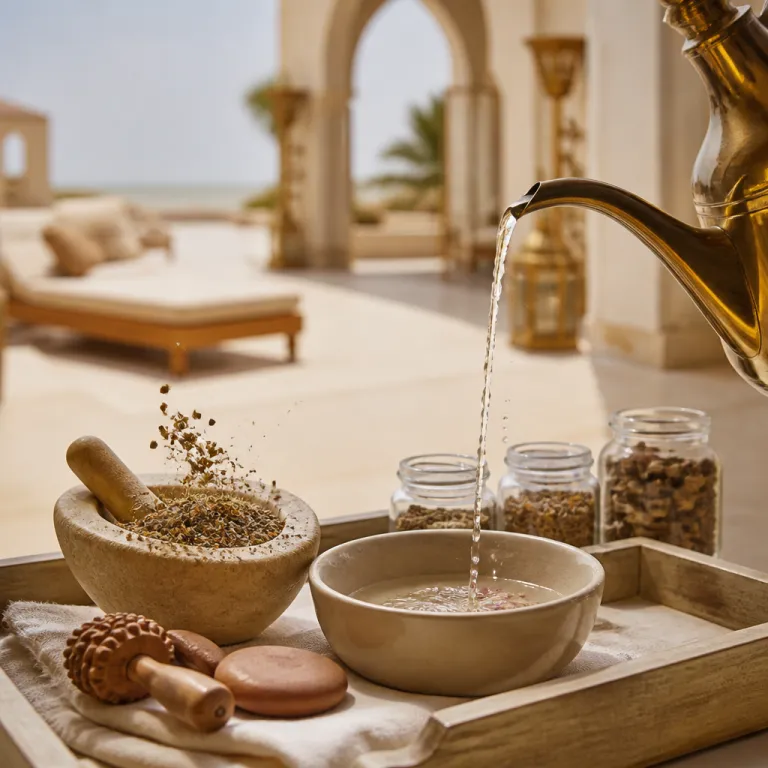
The House of Wisdom, the resort’s apothecary, is where this arabic islamic heritage becomes tangible for guests who want more than a spa souvenir. Shelves hold traditional arabic herbal blends, oils, and poultices used in islamic medicine for centuries, now prescribed alongside modern diagnostics to create a genuinely holistic healing plan. Staffed by local wellness experts and traditional medicine practitioners, the apothecary embodies the resort’s stated mission to integrate traditional Arabic medicine with contemporary tools like fitness testing and somatic movement classes, rather than treating them as parallel tracks.
Facilities on the Serenity side include hydrothermal pools, an Arctic Cave, a Himalayan salt room, and quiet treatment spaces where massage, cupping, and other body therapies are sequenced into a coherent wellness experience rather than booked à la carte. For couples used to the ritual choreography at chiva som, the way resort chiva style structure has been translated into a qatari context feels familiar yet distinctly arabic, with prayer friendly schedules and gentle references to islamic values woven through the day. Travelers who have walked mindful freedom trails in Scotland, such as those described in this guide to tracing William Wallace’s spirit through quiet routes, will recognise the same respect for place here, only expressed through mangroves, desert light, and the language of TAIM.
What TAIM focused travel means for mindful couples and the future of wellness
The reopening of zulal serenity matters because it signals a shift in where wellness authority resides, moving some of the conversation from Southeast Asia and Europe to the Middle East. As non Western modalities like Ayurveda, TCM, and now Zulal wellness resort traditional Arabic medicine TAIM gain institutional credibility, mindful travelers are no longer choosing between spa marketing and clinical medicine, but between different cultural lineages of healing. For couples planning a wellness journey, that means deciding whether their next reset should be framed by Sanskrit, Mandarin, or arabic islamic concepts of the mind body connection.
On the ground, the resort offers a deliberately low tech environment that encourages a partial digital detox, with guidance that explicitly reminds guests to arrive prepared to disconnect and bring comfortable attire for movement and outdoor activities. The official guidance notes that “Book in advance., Prepare for digital detox., Bring comfortable attire.”, which captures the practical tone of the team and underlines that this is a place for serious rest rather than content creation. For travelers considering when to go, pairing a stay here with a seasonal reset, such as the kind of reflective break outlined in this piece on why mindful travel in October can reset body and mind, can help frame TAIM as part of a longer term lifestyle rather than a one off indulgence.
For couples who value cultural immersion as much as massage, TAIM focused travel also opens a different way to engage with Qatar beyond Doha’s skyline. A stay at this wellness resort invites guests to share Zulal as a living example of how traditional arabic knowledge, from Ibn Sina’s texts to local herbal practices, can inform contemporary wellbeing without being diluted. As wellness tourism continues to grow and more travelers seek mindful immersion, whether at Highland games in North Carolina as described in this report on mindful immersion at cultural festivals or in a qatari mangrove at sunrise, the rise of medicine TAIM at zulal wellness suggests that the next decade of healing travel will be as much about where we listen as how we relax.