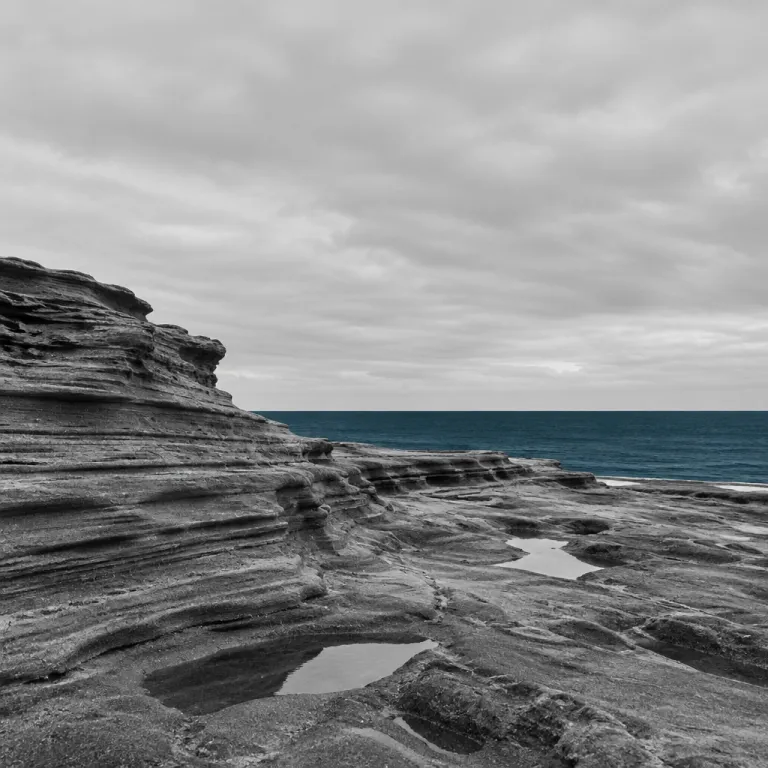
Big Sur what to see for a slower, more mindful journey
Big Sur on the central California coast invites you to slow down. This rugged stretch of the Sur coastline rewards travelers who trade checklists for presence and who let the rhythm of the Big Sur River, wind, and waves set the pace. When you ask yourself “Big Sur what to see,” the most restorative answer is often to see less but feel more.
The area between Carmel-by-the-Sea and San Simeon is not just a scenic drive; it is a living natural corridor where cliffs, redwoods, and the Pacific meet in dramatic harmony. Many visitors rush Highway 1 in a single day, but taking more time allows you to walk a quiet trail, listen to birds near Bird Island, and sense the subtle beauty Big Sur reveals slowly. Treat every stop, from each state park to every small beach, as a chance to breathe deeply and reset your nervous system.
Mindful travel here means choosing a few highlights Big Sur offers that align with your energy, not trying to see every famous point. You may find that a single hour sitting above the California coast can be more transformative than ten rushed photo stops along the highway. Let the beauty Big Sur holds act as a mirror for your own inner landscape and notice how your mind softens when you give it space.
Coastal icons with calm: Bixby Bridge, state parks, and quiet viewpoints
Most travelers searching “Big Sur what to see” start with Bixby Bridge, and for good reason. This graceful concrete arch spans a deep canyon where the land falls sharply to the sea, creating one of the most photographed views on the entire California coast. Arrive early in the day or near sunset to avoid crowds and to give yourself time to stand in silence, watching light move across the cliffs and the surf below.
From here, continue south toward Point Lobos State Natural Reserve, often called the “crown jewel” of the California state park system. The Point Lobos headland offers short coastal paths where you can find sheltered coves, sea lions, and the famous Bird Island area, all within a compact protected landscape. The Bird Island Trail is roughly one mile round-trip with minimal elevation change, which makes it an ideal place to walk slowly, pause at each point, and practice simple breathwork while waves roll in from the Carmel coastline horizon.
If you are planning a restorative itinerary, think of Bixby Bridge and Point Lobos as anchors for your day rather than boxes to tick. Build generous buffers between stops—driving from Carmel-by-the-Sea to Bixby Bridge takes about 25 to 30 minutes in light traffic, and continuing to Point Lobos or onward into Big Sur can take longer than maps suggest because of narrow curves and photo stops—and notice how your nervous system responds to a less hurried schedule. The more you let each state park and viewpoint open its own pace, the more the coast opens a window into a calmer way of being.
Redwoods, river, and trails: Julia Pfeiffer Burns and Pfeiffer Big Sur
South of Bixby Bridge, the landscape shifts from open bluffs to dense forest, and this is where the question “Big Sur what to see” leads naturally into the redwoods. Julia Pfeiffer Burns State Park is best known for McWay Falls, a slender waterfall that drops from the cliffs to a small cove and beach below. The McWay Falls overlook trail is about 0.5 miles round-trip and mostly level, which makes it ideal for a slow, contemplative walk focused on breath, sound, and color.
Arrive outside peak midday hours if you can, because the area around the Julia Pfeiffer Burns parking lot becomes crowded and noisy and spaces are limited. Early morning or late afternoon light softens the scene, and you will find more space to stand quietly at the point where the path opens window-like views over the cove and the wider California coast. Remember that McWay Falls and the surrounding shoreline are fragile; staying on the trail, respecting closures, and paying posted day-use fees is an act of care that supports both conservation and your own mindful presence.
Further north, Pfeiffer Big Sur State Park stretches along the Big Sur River, with tall redwoods, shaded campgrounds, and gentle paths that invite unhurried exploration. Here, the beauty Big Sur holds feels more intimate, with filtered light, birdsong, and the sound of water replacing the drama of cliffs and surf. When planning your own wellness-focused escape, use the same care you might apply when choosing the most mindful time to go to Jackson Hole, and align your visit with the season, likely crowds, and your personal need for quiet.
Beaches, tides, and the art of lingering by the sea
For many visitors, the phrase “Big Sur what to see” quickly becomes “which beach should I linger on today.” Pfeiffer Beach, reached by a narrow side road off Highway 1, is famous for its purple-tinted sand and the photogenic rock arch that glows at certain times of day. This is not a place for quick selfies; it is a natural amphitheater where you can sit, watch the tide, and let the roar of the Pacific wash mental clutter away.
Because the access road is tight and parking is limited to a small lot that can fill by late morning, mindful timing matters as much as location on this part of the coast. Arriving early or later in the day will reduce stress, give you more space on the sand, and help you stay present with the sound of waves instead of worrying about finding a spot. Always check local tide charts and conditions, since the beach can feel very different at low tide compared with high, and your safety is part of any wellness-centered journey.
Other small coves and pullouts along the Big Sur coast offer quieter alternatives where you can simply watch the horizon. Choose one or two beaches rather than trying to see every stretch of sand, and give yourself permission to do almost nothing once you arrive. In a world that often equates travel with constant activity and endless things big destinations promise, lingering on a single beach can be a radical, healing act.
Staying well on the road: resorts, meals, and mindful logistics
Wellness-focused travelers asking “Big Sur what to see” often underestimate how logistics shape their experience. Distances between services on this part of the California coast are long, fuel stations are sparse, and mobile coverage is patchy, so planning your day with care will reduce anxiety and leave more mental space for presence. Think of your car, your chosen resort or guesthouse, and each state park stop as parts of one integrated wellbeing system.
Many properties in the Big Sur area lean into nature-based design, with rooms that frame ocean views or forest canopies like a living artwork. When you choose where to stay, prioritize places that support your rhythms with quiet hours, nourishing food, and access to a short trail or riverbank where you can walk at first light. This is also a region where the wellness industry’s rapid growth does not always translate into inclusive access, a gap explored in depth in research on the wellness gap in global travel, which can help you reflect on how your own trip fits into the broader system.
Food choices along the road trip matter as much as scenery, because blood sugar crashes and dehydration can quickly erode any sense of calm. Pack water, snacks, and perhaps a thermos of tea so that a long pause at a point overlooking the sea does not depend on the next café. When you align your logistics with your body’s needs, every bridge crossed, every park entered, and every quiet stop along the Big Sur River becomes more restorative.
Designing a mindful Big Sur day: pacing, presence, and inner landscapes
Once you have a sense of “Big Sur what to see,” the deeper question becomes how you want to feel while seeing it. A mindful itinerary might include sunrise near Carmel-by-the-Sea, a midmorning walk at Point Lobos, a slow drive past Bixby Bridge, and an afternoon rest under redwoods in Pfeiffer Big Sur State Park. Limiting yourself to three or four main stops in a day will keep your nervous system regulated and your senses receptive.
Use simple practices to anchor your attention at each point along the California coast, such as counting ten breaths while looking at the horizon or naming five sounds you can hear before taking a photo. These techniques are small, but they transform a standard road trip into a moving meditation where every state park, trail, and overlook becomes a temporary retreat. When you feel rushed, pause, step away from the edge, and ask whether adding more experiences Big Sur offers will truly deepen your time here or simply dilute it.
Mindful travel in this region is less about chasing the most beautiful view and more about letting the beauty Big Sur already holds work on you slowly. Whether you are standing above McWay Falls, watching fog roll over Bixby Bridge, or sitting quietly beside the Big Sur River, notice how your inner landscape shifts with each change in light and sound. Over time, the question “Big Sur what to see” gently evolves into “how do I want to be while I am here.”
Key figures for mindful travel and Big Sur
- According to Visit California’s recent tourism dashboards, the state welcomes well over 200 million domestic visitors in a typical year, and coastal regions like Big Sur capture a significant share of overnight leisure trips focused on nature and relaxation (see Visit California’s annual tourism reports for current figures and methodology).
- Data from the Outdoor Industry Association’s Outdoor Participation Trends Report indicate that more than half of outdoor participants now cite mental health benefits, such as stress reduction, as a primary reason for spending time in parks and natural areas (based on survey responses from millions of U.S. adults and youth).
- Research summarized by the American Psychological Association, including studies on “nature prescriptions,” notes that as little as 20 to 30 minutes in a natural setting can measurably lower cortisol levels, which supports planning shorter, more frequent pauses at viewpoints rather than relying on one long hike.
- The Global Wellness Institute has estimated the wellness tourism market at several hundred billion dollars in recent years, with steady annual growth, underscoring how destinations like Big Sur are increasingly shaped by travelers seeking restorative experiences rather than purely scenic ones.
FAQ about mindful travel in Big Sur
How many days should I spend in Big Sur for a mindful trip?
For a wellness-oriented visit, plan at least two full days in the Big Sur area, which allows one slower day focused on the northern section near Carmel-by-the-Sea and Point Lobos, and another day exploring Pfeiffer Big Sur State Park, Julia Pfeiffer Burns State Park, and a beach such as Pfeiffer Beach without rushing.
Is Big Sur suitable for beginners to hiking and mindfulness practices?
Yes, many of the most scenic spots, including the McWay Falls overlook trail and several short loops at Point Lobos State Natural Reserve, are accessible to beginners, and simple practices like breath awareness or sensory observation can be done while sitting on a bench or standing at a viewpoint.
What is the best time of day for a quiet experience at Bixby Bridge and popular viewpoints?
Early morning shortly after sunrise and late afternoon before sunset usually offer fewer crowds and softer light at Bixby Bridge and other roadside viewpoints, which makes it easier to stand in silence, take in the scenery, and avoid the stress of heavy traffic and limited parking.
Do I need to reserve anything in advance for a mindful Big Sur itinerary?
You should book accommodation well ahead, especially on weekends and holidays, and check whether any state parks require day-use reservations, timed entry, or have limited parking, because securing these basics in advance reduces uncertainty and helps you stay present once you are on the coast.
How can I keep my trip to Big Sur aligned with wellness and sustainability values?
Travel in a smaller group if possible, stay on marked trails in every state park, pack out all waste, support local businesses that prioritize environmental practices, and keep your schedule spacious enough that you are not tempted to speed or stop unsafely along Highway 1 just to capture a photograph.