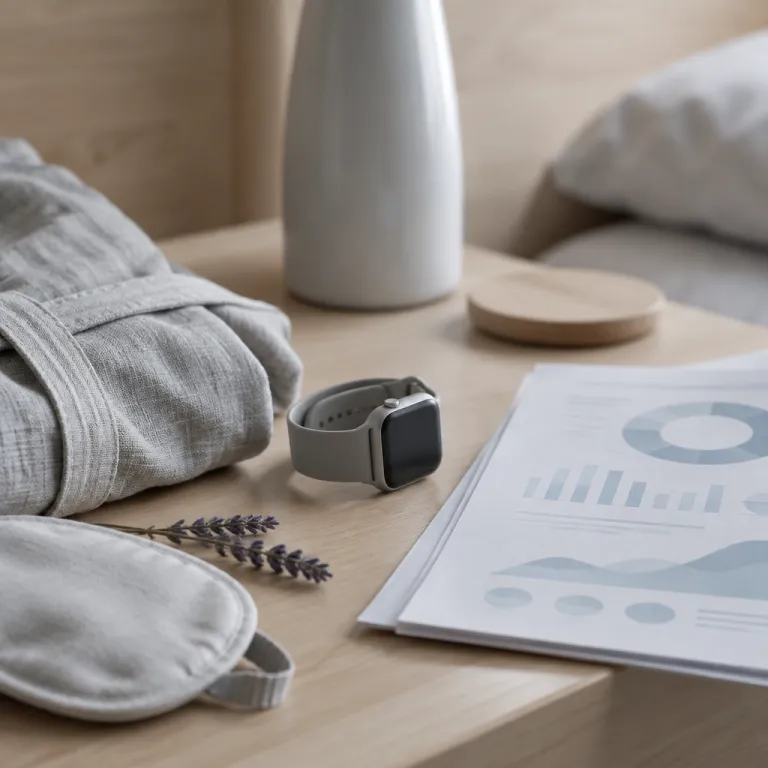
From wellness report to wellness retreat: when metrics become the main event
Walk into a high end wellness retreat now and the welcome tray often holds a continuous glucose monitor, sleep trackers and a consent form for a medical style blood draw. The promise is seductive for people who have tried everything else for their health and want a precise baseline, a personalised wellness report and a clear path toward better metabolic health and longevity. Yet this new wave of data heavy wellness escapes quietly shifts the focus from how you feel in your human body to how your nervous system performs on a dashboard.
The Global Wellness Summit’s 2024 trends report on the over optimization backlash describes a recalibration toward regulation over results, sensation over scores and wellbeing measured by how fully alive we feel. That single line captures the tension at the heart of the wellness industry right now, where global wellness marketing still sells higher sleep scores while the same wellness summit warns that optimization backlash is already reshaping future wellness culture. You can see it in the way women and men arrive armed with social media wellness content, asking about skin longevity protocols and women sports performance hacks before they have even taken a full breath on the terrace.
Diagnostics led stays do have genuine value when they are framed as care rather than competition. A structured intake with lab data, a nervous system assessment and a clear global health report can be the wake up call that finally lands, especially for women who have had their term health concerns dismissed for years. Used well, these wellness trends give people language for what their body has been saying all along and create a long term movement toward more informed, less reactive self care.
When the sleep score runs the show: anxiety as a wellness trend
The failure mode appears the first night, when someone wakes up in a quiet room, checks their sleep score and immediately feels they have failed at rest. I have watched guests skip morning meditation because their sleep trackers showed poor recovery, then spend the session arguing with a coach about data instead of listening to their body. This is the retreat optimization trap in its purest form, where health becomes a performance and wellbeing shrinks to a number on a screen.
Data driven personalization can absolutely help people commit to change, especially those who respond well to structure and clear feedback loops. The problem is not the data itself but the sequencing; measure at the start, translate the report into simple language, then deliberately set the device aside so the nervous system can learn safety without constant surveillance. For solo travelers using mindful travel to reset term health habits, this means treating the wellness report as a map, not a daily judgment on whether they are worthy of care.
A mature retreat now asks guests to notice how they feel before they check any device, then uses metrics as a quiet reference rather than a social badge. That approach pairs well with more contemplative journeys, such as a mindful visit to ancient sites where the human body is invited to slow down before any optimization talk; one example is planning a mindful journey through ancient landscapes and Mayan ruins, where the focus is on presence rather than performance, as explored in this guide to mindful Mayan sites. In that context, wellness culture shifts from chasing global trends to asking a quieter question; what does my body need right now, and can I listen without checking a graph.
Analog in the middle: designing tech wise, nervous system friendly stays
The most interesting wellness industry properties I visit now follow a simple arc; wearables at intake and checkout, analog in the middle. Guests arrive, complete a thorough medical and lifestyle questionnaire, submit to targeted tests and receive a concise wellness report that highlights metabolic health, sleep patterns and long term risk factors. Then, crucially, the team invites them into a device light zone where the nervous system can downshift without constant alerts and the urge to over optimize every metric loses its grip.
In these programmes, movement is prescribed less as a calorie burn and more as a way to help the human body feel safe again. Women and men might alternate women sports style strength sessions with slow mobility work, breath led hikes and unstructured time by the water, all designed to support both skin longevity and deeper systemic health. The focus is on how people feel during and after each session, not on whether a global wellness algorithm approves of their heart rate variability curve.
Shorter, tightly held formats can be especially powerful for this analog middle, which is why some properties now experiment with a 48 hour recovery format rather than automatic week long stays; this approach is explored in depth in our piece on why short wellness stays might heal more than long ones. Over two or three days, guests can experience a full cycle; initial data gathering, a period of tech free immersion, then a closing session where updated sleep trackers data and a fresh sleep score are reviewed calmly. That rhythm respects both the future wellness promise of neurowellness tools and the ancient truth that the body heals best when it is not being constantly measured.
After the dashboard: self care strategies for travelers who want more than metrics
For solo travelers, the real work begins after checkout, when the temptation to turn every wellness wearables retreat into a self tracking project returns in daily life. The Global Wellness Summit neurowellness trend imagines AI helping people regulate rather than live permanently in survival mode, but that only works if we pair data with practices that teach the nervous system to feel safe without constant checking. This is where self care strategies rooted in mindful travel can quietly outperform another global trends report or viral piece of wellness content.
One practical approach is to reserve wearables for periodic audits of health and term health risk, then rely on simple analog cues during trips; appetite, mood, energy, the way the body responds to movement and rest. People can still benefit from a structured wellness report or a trends report on future wellness, but they treat those documents as background rather than a script. Over time, this builds long term fidelity to what actually supports wellbeing instead of chasing every new optimization backlash narrative on social media.
There are unresolved questions that every mindful traveler should hold lightly; who owns your retreat health data, how long is it stored, and whether a single wellness score belongs on holiday at all. Before booking, read how to match your current state to the right modality and ask how a property handles both data and care, as outlined in our guide to reading your body before booking. The future of wellness culture will not be decided only in a wellness summit ballroom or a glossy wellness report, but in the quiet choices travelers make about when to wear the device and when to simply feel the wind on their skin.
Key figures shaping the over-optimization backlash
- The Global Wellness Institute valued the global wellness economy at approximately 5.6 trillion US dollars in its latest report, underscoring how deeply wellness trends now influence travel, hospitality and self care decisions worldwide.
- According to the Global Wellness Summit trends report on the over optimization backlash, wellness tourism is one of the fastest growing segments of the sector, with wellness travel spending growing roughly twice as fast as general tourism spending over the last decade.
- Consumer surveys cited by the Global Wellness Summit indicate that a significant share of people using sleep trackers report increased anxiety around sleep, highlighting the risk that a focus on sleep scores can undermine the very rest these devices aim to protect.
- Industry analyses referenced by the Global Wellness Summit suggest that women are more likely than men to engage with wellness content on social media and to purchase wellness wearables, which means women often experience the sharpest edge of retreat over-optimization and its associated backlash.
- Reports on metabolic health from major public health agencies show that a majority of adults globally have at least one marker of poor metabolic health, which explains the appeal of data rich retreats while also reinforcing the need for long term, sustainable habits beyond a single wellness report.