From spa robe to storm cloud: why wilderness is the original wellness studio
Before wellness became a product, it was a walk through the forest. A true wilderness wellness immersion treats the land itself as teacher, where every gust of wind and uneven trail becomes part of the curriculum for body mind alignment. This shift asks people to trade scented candles for changing weather, and to let the power nature holds do the quiet work of recalibrating a tired nervous system.
At its best, a wilderness retreat is not a backdrop for yoga selfies but a nature based modality where the practice and the place are inseparable. The most thoughtful programmes design each immersion so that participants move between hiking, paddling on a still lake, and silent forest bathing with clear intention rather than a packed activity schedule. The work takes place in natural surroundings that are sometimes cold, sometimes muddy, and often uncomfortable enough to restore body awareness in a way no heated studio can match.
Organisations such as Wilderness Awareness School in Duvall, Washington, structure their long form retreats as a nine month journey into deep connection nature practice. Their Linne Doran campus sits in dense forest, where guided sessions and nature based activities are used to support health wellness goals without separating mental health from ecological literacy. This kind of wilderness based wellness journey is less about escape and more about justice for our attention, pulling it away from screens and back toward the subtle signals of birds, wind, and soil.
When discomfort heals: cold lakes, steep trails and summit silence
Modern wellness often promises comfort, yet a wilderness wellness immersion works in the opposite direction. Cold lake swims, long hiking days, and nights when rain drums on a cabin roof invite participants to meet discomfort as a doorway to presence rather than something to skip content in search of instant ease. In this frame, the journey itself becomes the treatment, and every shiver or burning calf muscle is feedback from a body mind system learning to adapt.
On a well held immersion, participants move through carefully sequenced challenges that respect health limits while still stretching perceived edges. A morning might begin with forest bathing in silence, followed by a steep ascent where people hike in single file and speak only at the summit, letting the view and the nervous system settle together. Later, a glacial lake session can combine mindful paddling with short, supervised plunges that support cardiovascular health and emotional resilience.
Research on stress reduction in nature shows measurable benefits. For example, a 2019 meta analysis in Frontiers in Psychology reported significant average decreases in cortisol and perceived stress after guided forest bathing, while work by Dr Qing Li and colleagues has linked regular shinrin yoku practice with improved mood scores and lower blood pressure. These findings align with what experienced guides see on multi day retreats, where simple pre and post questionnaires often show notable drops in self reported stress rather than precise percentages. The difference between adventure tourism and a wilderness wellness immersion lies in the reflection that follows each physical challenge, often held in a simple retreat center lodge or around a fire. For travelers used to overnight trains that double as slow travel wellness journeys, as explored in this guide to wellness focused rail travel, the move from carriage to canyon can feel like a natural next step.
Nature as practitioner: how forest immersion rewires the nervous system
Forest bathing, or shinrin yoku, is often misunderstood as a poetic walk rather than a precise nature based practice. In a serious wilderness wellness immersion, forest bathing sessions are structured with clear beginnings and endings, guiding participants to tune into sound, scent, and texture until the connection nature offers becomes almost physical. Over time, this repeated attention helps the nervous system shift from chronic alertness toward a steadier baseline.
Guides at places such as Siwash Lake Wilderness Resort in Canada use forest immersion, lake paddling, and open meadow meditations as equal tools in a single health wellness framework. A day might start with slow walking in the forest, continue with mindful paddling across a quiet lake, and close with journaling at the retreat center to track subtle changes in mood and sleep. The aim is not entertainment but personal growth, using the power nature holds to restore body awareness and emotional range without fluorescent lights or background music.
For solo travelers used to curated off grid stays, the most honest wilderness retreats feel closer to the off grid wellness cabins and yurts highlighted in this feature on disconnection as treatment. The difference is that a wilderness wellness immersion usually asks for more participation, whether that means helping with simple camp tasks or holding silence for extended periods. When the practice takes place in natural surroundings rather than a designed spa, people often report that their body mind integration feels less like a technique and more like a homecoming.
From individual reset to ecological justice: community, carbon and care
Wilderness wellness is often framed as a private reset, yet the most thoughtful immersions treat it as part of a wider justice conversation. When a wilderness wellness immersion experience is designed with local partners and ecological limits in mind, each retreat becomes a small act of repair rather than another extraction from fragile landscapes. Organisers such as Wilderness Awareness School work with environmental organisations so that what takes place on the land also supports the land itself.
Compared with energy intensive spa complexes, a simple retreat center in the forest or by a lake can carry a lighter carbon footprint, especially when groups are small and activities are human powered. Hiking, paddling, and forest bathing require minimal infrastructure, and the power nature provides replaces many of the machines and treatments found in conventional wellness resorts. For mindful travelers, this alignment between personal health and planetary health wellness is no longer a niche preference but a baseline expectation.
Community is another quiet differentiator. In a well held wilderness wellness immersion, participants share meals, stories, and silence, forming a temporary community that often continues long after the retreat ends. Sacred Sons, for example, hosts men’s wilderness immersion retreats where people work with rites of passage, group process, and time alone in the wilderness to support personal growth that ripples back into families and cities.
Preparing for a wilderness immersion: how to let the land lead
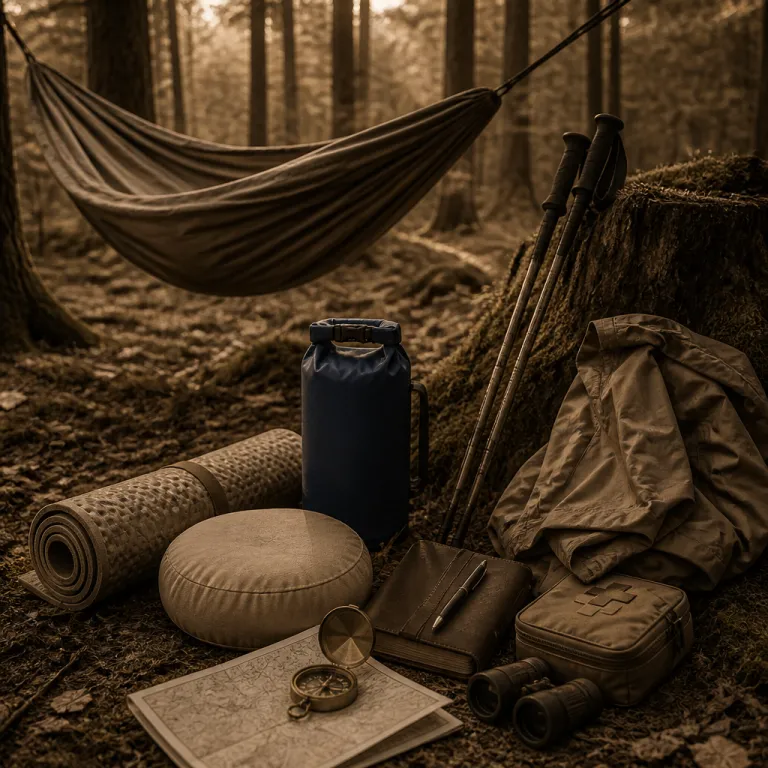
Stepping into a wilderness wellness immersion experience requires a different kind of packing list and mindset than a resort stay. Guides consistently recommend that participants book their place only once they have read the full programme, prepared appropriate outdoor gear, and accepted that weather, not Wi Fi, will set the daily rhythm. This is not a trip where you skip content that feels challenging; the challenge is the content.
Physically, it helps to build a base of walking fitness, especially for retreats that involve daily hiking or paddling across a lake. Mentally, the more you can practice short periods of silence and simple breath awareness before you arrive, the easier it becomes to let the forest, the open sky, and the natural surroundings work directly on your nervous system. Many retreat leaders describe the first forty eight hours as a shedding period, when people slowly reconnect nature with their senses and begin to feel time stretch again.
To make this more concrete, some guides share a simple sample day: 07:30–08:00 gentle stretching, 08:00–09:00 breakfast in silence, 09:30–12:00 guided forest bathing, 14:00–16:00 lake paddling and cold water practice, 17:00–18:00 solo reflection, and 20:00–21:00 fire circle sharing. Across a week, participants might track sleep length and mood on a 1–10 scale and often report one to two extra hours of rest and mood shifts of two to three points. Basic safety guidance usually includes completing a health questionnaire, checking in with a medical professional if you have heart, respiratory, or mobility conditions, and choosing retreats that keep group sizes small with clearly stated guide to participant ratios. For travelers balancing budget, carbon impact, and depth of practice, wilderness based retreats can sit alongside mindful city breaks or slower rail journeys as part of a broader travel strategy. If you are weighing a week in the woods against a long haul flight to a spa resort, this guide to mindful budget conscious travel choices offers useful framing questions. Whatever you choose, the core principle remains the same; when the practice is the place, every step in the forest and every breath by the lake becomes part of your ongoing journey toward integrated health wellness.
FAQ
What is wilderness immersion in a wellness context ?
Wilderness immersion in a wellness context means structured, guided time in natural surroundings where nature is treated as the primary modality rather than a backdrop. Programmes typically combine hiking, forest bathing, mindful paddling, and periods of silence to support mental health, physical resilience, and personal growth. Unlike adventure tourism, a wilderness wellness immersion experience always includes intentional reflection and integration.
How does time in nature impact mental health ?
Time in nature has been shown to reduce stress, improve mood, and support more stable nervous system function. Guided forest bathing and similar practices help shift attention away from digital stimuli toward sensory detail, which can lower perceived anxiety and support better sleep. Many long form retreats report that participants leave with clearer focus, steadier energy, and a renewed sense of connection nature wise.
Are wilderness wellness retreats safe for beginners ?
Reputable wilderness wellness retreats are designed to be safe for beginners, with experienced guides, clear safety protocols, and graded levels of physical challenge. Organisers usually provide detailed packing lists and health questionnaires so that what takes place in the wilderness matches each person’s capacity. If you are new to this kind of experience, look for programmes that emphasise small groups, qualified guides, and nature based education rather than extreme endurance.
What should I pack for a wilderness wellness immersion experience ?
Most programmes recommend layered clothing, waterproof outerwear, sturdy hiking shoes, and a daypack for water, snacks, and extra layers. Depending on the retreat center and climate, you may also need a sleeping bag, headlamp, and notebook for reflection, but heavy technology is usually discouraged. Always follow the organiser’s specific list, as they know the local forest, lake, and weather patterns best.
How is wilderness wellness different from standard adventure travel ?
Standard adventure travel often focuses on adrenaline, speed, and ticking off achievements, while wilderness wellness centres on slowness, presence, and integration. A wilderness wellness immersion experience uses similar activities such as hiking or paddling, but frames them within intentional silence, guided reflection, and community sharing. The goal is not just a memorable experience but a shift in how you relate to your own body mind system and to the wider natural world.