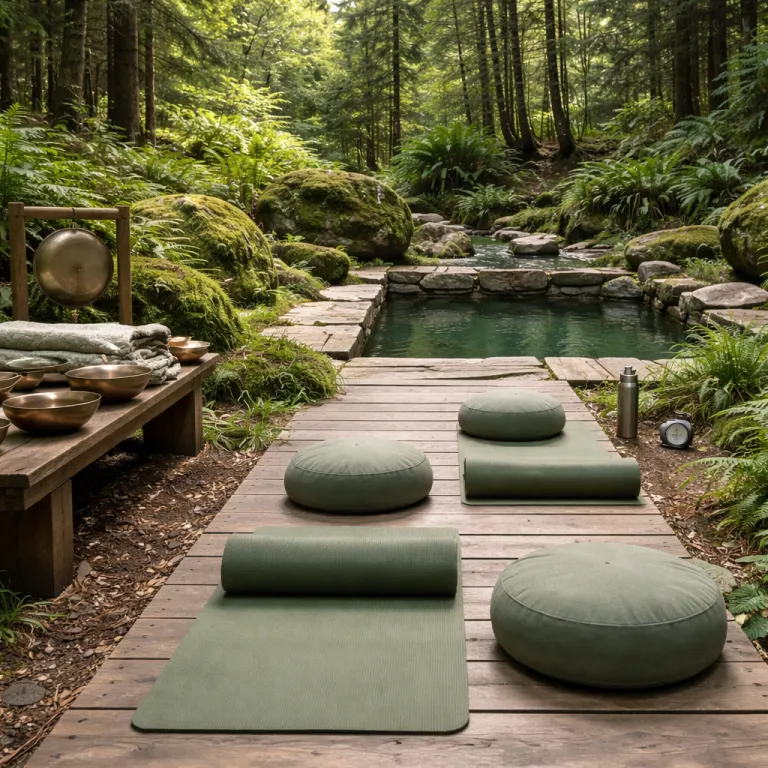
How to use this wellness travel modalities guide as a couple
Think of this wellness travel modalities guide as a filter, not a wish list. Wellness tourism now spans everything from silent meditation to frequency based spa treatments, and couples who travel well together learn to choose with precision rather than from fear of missing out. When you plan your next wellness travel escape, the aim is not to try every retreat on the map but to curate one retreat experience that genuinely shifts your mind body patterns.
The Global Wellness Institute’s Global Wellness Tourism Economy report (2018) estimates that wellness tourism generated around $639 billion and 830 million wellness trips in 2017, which explains why so many resorts now promote a wellness program. That scale brings opportunity for healing and personal growth, yet it also invites shallow offerings where guests are sold a spa retreat but receive generic spa treatments and rushed yoga meditation classes. The Wellness Tourism Association advises travelers to research destinations offering desired wellness activities, check credentials of wellness practitioners, and consider personal health needs when choosing a retreat, which is the baseline due diligence for any couple planning a wellness retreat.
Start by mapping your shared intention for health, spiritual curiosity, or relationship reset, then decide which single modality will carry that intention best. Some couples need a nature based wellness spa with hot springs and a quiet resort spa, while others will benefit more from a structured wellness program focused on meditation and positive psychology. When you align your travel choices with one clear modality, every treatment, class, and moment of stillness becomes part of a coherent wellness retreats journey rather than scattered activities, and you can later deepen that same modality at home through local classes or online education.
Modalities that justify the journey: where place truly matters
Not every wellness modality requires a plane ticket, but some practices are transformed by geography and seasons. Cold exposure work, for example, feels fundamentally different in a Scandinavian fjord or a New Zealand alpine lake than in a cryotherapy chamber at an urban spa resort, because the body responds to wind, light, and silence in ways machines cannot replicate. When couples commit to one of these place dependent modalities, the entire retreat experience becomes a dialogue between personal limits and the landscape.
Sound healing has moved decisively into the luxury resort spa space, with floating sound baths, gong meditations, and frequency based spa treatments now appearing on wellness programs from Fairmont Chateau properties to selected Ritz Carlton wellness spa locations. At properties such as Fairmont Chateau Lake Louise, for instance, sound baths are led by facilitators with yoga therapy or music therapy credentials and clear intake forms for guests with trauma histories or sensory sensitivities. These experiences can be powerful when led by seasoned practitioners who understand both the nervous system and the spiritual traditions behind the instruments, yet they are often reduced to background ambience for distracted guests. Before you book a spa retreat built around sound, read detailed wellness travel reviews and look for programs that limit group sizes, specify teacher lineages, and integrate sound sessions into a broader wellness retreat framework rather than offering them as isolated novelties.
For couples interested in the business side of wellness tourism and how it shapes what appears on the menu, a market analysis such as the health and wellness tourism report decoded by Wellness Mindful Travel helps explain why some resorts push trend driven treatments. Understanding that context allows you to distinguish between wellness programs designed for genuine healing and wellness retreats created primarily for social media. Use that knowledge to prioritize destinations where the resort spa invests in long term teachers, nature based infrastructure, and evidence informed wellness programs over seasonal fads.
Modalities you can learn at home versus those worth traveling for
Many couples assume that every wellness practice requires a far flung retreat, yet some modalities are better learned slowly at home before being deepened through travel. Foundational yoga and basic meditation techniques fall into this category, because your body and mind benefit more from consistent daily practice than from a single intense week at a distant resort. When you arrive at a wellness retreat with that base, the yoga meditation sessions become refinement rather than initiation, and you can focus your travel budget on teachers and settings that genuinely elevate the experience.
Breathwork is another area where discernment matters, since holotropic methods, Wim Hof style cold linked breathing, and classical pranayama each demand different instructor expertise and safety protocols. You might begin with online education or local classes to understand how your health history and nervous system respond, then choose a wellness travel itinerary that pairs your preferred style with a destination known for serious training. Some couples will thrive in structured wellness programs that combine breathwork with positive psychology coaching and mind body education, while others will prefer quieter retreats where breath is woven into yoga, meditation, and nature based walking.
By contrast, certain ritual based modalities such as full moon ceremonies and plant based rituals in Bali or Central America raise complex questions of safety, legality, and cultural appropriation that cannot be outsourced to glossy marketing. If you are considering these experiences, prioritize wellness retreats that work transparently with local health practitioners, respect indigenous leadership, and frame any spiritual work within clear ethical guidelines rather than vague promises of instant healing. For couples who prefer gentler forms of ritual, a mindful tasting journey such as a wellness focused guide to popular drinks in Mexico can offer cultural depth, sensory pleasure, and personal growth without crossing those ethical lines.
The one modality per trip principle for couples
The most transformative wellness travel often follows a deceptively simple rule for couples, which is to choose one primary modality per trip and let everything else be supportive. When you chase multiple retreats in a single itinerary, jumping from yoga to sound healing to spa treatments and fitness classes, your nervous system rarely has time to integrate the retreat experience into lasting habits. A single clear focus allows your body, mind, and relationship to settle into rhythm, especially when the resort designs its wellness program around that depth rather than variety.
Imagine a week in Costa Rica where the anchor is daily yoga meditation at sunrise, supported by a few targeted spa treatments, nature based hikes, and unstructured afternoons by natural hot springs. The same destination could host a very different wellness retreat if you instead centered the trip on meditation and positive psychology workshops for personal growth, using the spa retreat facilities only for occasional restorative treatments. In both cases, the seasons, the rainforest humidity, and the sound of the Pacific shape how your health and spiritual life respond, but the one modality per trip principle keeps your attention from scattering.
This approach also protects couples from the retreat industrial complex tendency to upsell endless add ons that dilute the core wellness experience. When you arrive with a shared intention and a chosen modality, you can say no gracefully to extra treatments that do not serve your personal goals, while still leaving space for one or two spontaneous moments of healing. Over time, each journey becomes a chapter in a coherent wellness travel story, where one trip might focus on a structured wellness spa program and another on a contemplative philosophy led retreat in mainland Greece, such as those explored in depth in guides to philosophy led wellness retreats on the Greek mainland.
Red flags, serious teachers, and choosing the right property
As wellness tourism grows, the gap between serious practitioners and weekend certified influencers has widened, and couples need a clear eye when selecting properties. A credible wellness retreat will publish detailed teacher biographies, outline the structure of its wellness programs, and show how spa treatments, classes, and nature based activities support specific health outcomes rather than vague promises. When a resort markets spiritual awakening but cannot explain who leads the meditation or how the wellness program adapts to different bodies and seasons, that is a sign to keep scrolling.
Luxury names such as Fairmont Chateau and Ritz Carlton now host ambitious wellness retreats, and some of their resort spa teams collaborate with respected wellness coaches and health practitioners to design integrated wellness programs. At properties like Miraval Arizona, for example, trauma informed yoga teachers, licensed therapists, and medical staff coordinate to screen guests for contraindications, debrief intense sessions, and offer follow up resources. Others simply rebrand existing spa facilities as a wellness spa without investing in teacher training, mind body education, or long term community partnerships, which leaves guests with a pleasant but shallow experience. Before you book, ask direct questions about how the wellness retreat handles medical screening, what happens if a treatment triggers an emotional response, and whether the property has clear protocols for spiritual or psychological support.
Properties that take wellness seriously often limit group sizes, schedule unstructured time between treatments, and design spaces where couples can be well in silence rather than constantly entertained. They may offer digital detox guidelines, encourage mindful travel practices, and integrate nature based design so that simply walking from your room to the wellness spa feels like a gentle meditation. When you find that level of care, you are not just buying a spa retreat but entering a relationship with a place and a team that understands healing as both personal and shared work.
FAQ
What is wellness tourism and how is it different from regular travel ?
Wellness tourism is travel aimed at maintaining or enhancing personal well being through activities such as spa treatments, yoga, meditation, and structured wellness programs. Unlike regular travel, where sightseeing or entertainment is the primary goal, a wellness retreat or spa retreat is designed around health, healing, and personal growth. Couples choosing wellness travel typically prioritize rest, nature based experiences, and mind body practices over dense itineraries.
How should a couple choose their first wellness retreat ?
Begin by clarifying a shared intention, such as stress reduction, spiritual exploration, or relationship reconnection, then select one primary modality like yoga meditation, breathwork, or a specific wellness spa program. Research destinations and properties carefully, checking practitioner credentials, reading detailed reviews, and confirming that the wellness program aligns with your health needs and seasons of life. It is wise to start with a retreat experience that balances structured sessions with free time, rather than an intensive schedule that leaves little room for integration.
Which wellness modalities are worth traveling abroad for ?
Modalities that are deeply shaped by landscape and culture, such as cold exposure in natural ice lakes, hot springs based spa treatments, or nature based meditation in remote settings, often justify international travel. Some couples also seek out wellness retreats in Costa Rica, Greece, or Scandinavia where local expertise in yoga, meditation, or philosophy led programs adds depth that is hard to replicate at home. In contrast, foundational practices like basic yoga or introductory mindfulness can usually be learned locally and then refined on the road.
How can we tell if a wellness program is credible and safe ?
Look for transparent information about teacher training, clear descriptions of treatments and their intended health effects, and honest communication about risks or contraindications. Serious wellness retreats will ask about your medical history, limit group sizes for intense practices, and have protocols for emotional or spiritual support when deep work arises. If a resort focuses more on social media aesthetics than on practitioner biographies, safety guidelines, or integration support, treat that as a red flag.
What activities are typically included in a wellness retreat for couples ?
Most wellness retreats for couples combine daily movement such as yoga, guided or silent meditation, and tailored spa treatments with nature based excursions like hikes or ocean swims. Many properties now add workshops on positive psychology, nutrition, or relationship communication to support personal growth alongside shared experiences. The strongest programs weave these elements into a coherent retreat experience rather than offering a disconnected menu of activities.