From scented candles to clinical data: the rise of diagnostic-first retreats
Wellness travel has shifted from scented candles to clinical baselines. The most serious longevity retreats now begin with a physician led diagnostic wellness retreat biomarkers longevity protocol that feels closer to an executive health check than a spa welcome tea. For couples who care about health wellness as much as romance, the new luxury is data that actually changes how you age.
At the heart of this shift sit biomarkers, the measurable signals that show how the body is really coping with aging. A modern longevity clinic or wellness clinic will not rely on how old you say you are, but will contrast your chronological age with your biological age through a structured assessment. That diagnostic wellness retreat biomarkers longevity approach lets clinicians move from generic wellness to targeted preventive health and longevity preventive strategies.
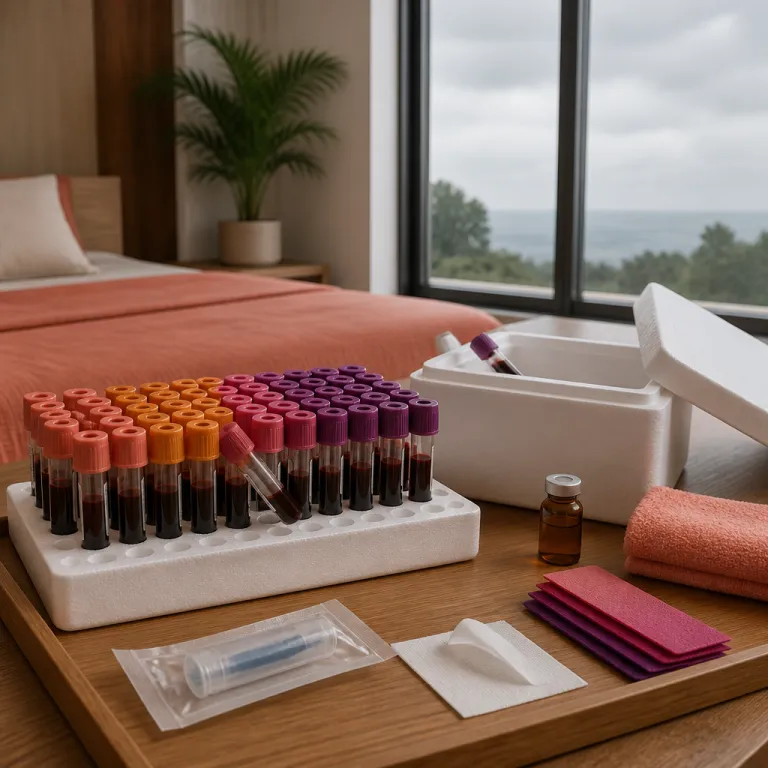
Think of it as moving from mood based wellness to medicine based wellness. Instead of a pre set program, you enter a clinical style pathway where blood, saliva and sometimes stool samples inform every treatment. The diagnostic wellness retreat biomarkers longevity model treats your stay as the start of a long term relationship with longevity medicine rather than a one off escape.
What 40 biomarkers really measure when your stay starts with a blood draw
When Six Senses London talks about analysing 40 biomarkers, it is not marketing poetry. Those biomarkers aging panels usually span metabolic health, cardiovascular risk, inflammation, hormone balance, body composition and sometimes early disease markers. In a serious diagnostic wellness retreat biomarkers longevity setting, each biomarker is a decision point, not a decorative number on a glossy report.
A comprehensive assessment at a longevity clinic or medical center will typically include fasting glucose, insulin and HbA1c for metabolic health, plus lipid profiles and high sensitivity CRP for cardiovascular risk. Add vitamin D, key minerals, thyroid function and sex hormones, and you start to see how a clinical program can be based on your actual biology rather than your aspirations. Some longevity medicine teams also integrate advanced tests that estimate biological age, giving couples a stark comparison between how long they have lived and how their bodies behave.
Six Senses London’s Integrated Wellness Assessment, for example, uses around 40 biomarkers to shape a personalized program that blends yoga, osteopathy, Ayurvedic therapies and facial treatments within a 2,300 square metre spa. That same diagnostic wellness retreat biomarkers longevity framework can also guide cryotherapy at -110 °C, magnesium pool sessions and time on an AI powered bike, all calibrated to your current state. For travelers who want to match their current condition to the right modality, resources on reading your body before booking can be as valuable as the retreat brochure.
Diagnostic retreat versus medical check up with a spa attached
There is a quiet but important difference between a diagnostic wellness retreat and a medical check up with a spa attached. In a conventional medical center, you might complete tests in the morning, see a physician in the afternoon and then be left with a thick report and a polite goodbye. The spa, if it exists, is often an optional add on rather than the core of a longevity program.
By contrast, a true diagnostic wellness retreat biomarkers longevity experience weaves clinical assessment, physician led interpretation and daily practice into one continuous arc. The data from your biomarkers aging panel does not sit in a folder ; it dictates your nutrition, your movement, your sleep schedule and even your breathwork. Longevity retreats that take this seriously behave more like a regenerative medicine campus with soft sheets than a hotel with a lab in the basement.
Clinique La Prairie in Montreux is a benchmark here, with its Revitalisation program combining cellular therapies, tailored nutrition and medical supervision over several days. Chenot Palace Weggis uses the Chenot Method for detoxification and cellular energy renewal, insisting on a minimum seven day stay so the biological processes have time to respond. For couples wondering what happens once they leave, guides such as from diagnostics to daily habits are crucial to turn a diagnostic wellness retreat biomarkers longevity stay into lasting change.
Three diagnostic philosophies: Six Senses, Clinique La Prairie and Chenot
Six Senses London, Clinique La Prairie and Chenot Palace Weggis all start with diagnostics, yet they embody three distinct philosophies. Six Senses leans into integrative wellness, using its 40 biomarker assessment to choreograph yoga, osteopathy, Ayurvedic therapies and targeted facial treatments. The clinical backbone is present, but the guest experience still feels like a refined urban sanctuary rather than a strict medical clinic.
Clinique La Prairie operates much closer to a longevity clinic, with a physician led équipe delivering longevity medicine, cellular therapies and nutrition protocols under one roof. Here, the diagnostic wellness retreat biomarkers longevity model is overtly medical, with imaging, laboratory testing and sometimes stem cell related therapies framed within a structured longevity program. The focus is on preventive medicine and regenerative medicine, aiming to slow aging and reduce future disease risk rather than simply enhance short term wellness.
Chenot Palace Weggis sits somewhere between spa culture and clinical rigor, using the Chenot Method to drive detoxification and cellular energy renewal over at least seven days. Guests undergo a detailed clinical assessment, including body composition analysis and cardiovascular testing, before entering a tightly scripted program based on their biomarker profile. Across all three, the common thread is clear ; the most serious longevity retreats now treat diagnostics as the entry ticket, not an optional extra, which is exactly what the Global Wellness Institute highlights when it frames longevity travel credibility around measurable outcomes.
After the blood draw: data, wearables and the two tier future of wellness travel
The most uncomfortable question in diagnostic wellness travel is not about needles. It is about what happens to your data, your new understanding of biological age and your carefully tailored longevity preventive plan once you board the flight home. Without structure, even the best diagnostic wellness retreat biomarkers longevity experience risks becoming an expensive memory and a forgotten PDF.
Serious wellness clinic teams now try to extend the diagnostic window through wearables and remote monitoring, turning a one week stay into a long term experiment in preventive health. Couples leave with connected devices tracking sleep, heart rate variability, activity and sometimes glucose, feeding back into physician led reviews at set intervals. When this works, the retreat becomes the on ramp to a continuous longevity program that adjusts medicine, nutrition and movement as your biomarkers aging profile evolves.
There is also a harder truth ; diagnostic first longevity retreats are expensive, and they risk creating a two tier system where only premium travelers access advanced preventive medicine. For those who can invest, the most ethical medical centers now share clear, actionable summaries that you can continue with a local physician, rather than locking insights behind proprietary programs. If you are planning a stay, ask how your data will be used, how long term follow up works, and how the retreat will support everyday habits such as sleep hygiene, which you can deepen with resources like restful journeys for body and mind to keep your diagnostic wellness retreat biomarkers longevity gains alive.
How to choose a diagnostic first retreat as a wellness minded couple
Selecting a diagnostic wellness retreat as a couple starts with clarity on goals. Are you primarily seeking health wellness improvements, such as better metabolic markers and body composition, or are you more interested in stress regulation and sleep. Your answer should guide whether you lean toward a heavily clinical longevity clinic model or a more balanced wellness clinic that still respects medicine but leaves room for spacious days.
Look for physician led teams, transparent descriptions of which biomarkers they test and how those results shape your personalized program. Ask how they interpret biological age versus chronological age, and whether they offer regenerative medicine or stem cell related interventions, which should always sit within a robust preventive medicine framework. A credible diagnostic wellness retreat biomarkers longevity provider will explain how they screen for disease, how they handle data privacy and how they integrate executive health style assessments without losing the contemplative space that makes retreats restorative.
Finally, consider how the retreat fits into your long term life rather than treating it as a one off reset. The most thoughtful longevity medicine centers now design programs based on realistic routines for couples who travel, work and age together. When a medical center or wellness clinic can articulate how its longevity program will support you six months after checkout, you are closer to a retreat that honours both your relationship and your future health.
FAQ
What is the main difference between a diagnostic wellness retreat and a standard spa stay ?
A diagnostic wellness retreat begins with a structured clinical assessment, including blood tests and other biomarker measurements, interpreted by a physician led team. The entire stay, from nutrition to movement and therapies, is then personalized based on those results rather than a generic wellness menu. A standard spa stay usually offers relaxation and treatments without deep medical testing or long term preventive health planning.
How do biomarkers help assess biological age during a retreat ?
Biomarkers such as inflammatory markers, metabolic indicators, hormone levels and cardiovascular metrics are combined to estimate how your body is functioning relative to your chronological age. When analyzed together, these data points can suggest whether your biological age is younger or older than the years you have lived. Retreat clinicians then use this insight to design longevity preventive strategies aimed at slowing aging and reducing future disease risk.
Are diagnostic first longevity retreats safe for generally healthy couples ?
For most generally healthy couples, diagnostic first longevity retreats are designed as preventive medicine experiences rather than acute medical interventions. Safety depends on the quality of the medical center, the training of the clinical équipe and the appropriateness of any advanced therapies offered. It is wise to share retreat plans with your usual physician and to avoid programs that push aggressive treatments without clear medical justification.
What should we ask a retreat before booking a diagnostic based program ?
Ask which biomarkers they test, who interprets the results and how those findings shape your personalized program day by day. Clarify whether the retreat offers follow up support, how they handle data privacy and whether they coordinate with your home physician. Couples should also ask about total cost, realistic long term expectations and any contraindications for existing medical conditions.
Can wearables meaningfully extend the benefits of a diagnostic retreat ?
Wearables can extend the diagnostic window by tracking sleep, activity, heart rate variability and sometimes glucose after you leave the retreat. When this data is reviewed periodically by a clinician or health coach, it helps adjust your longevity program and keeps preventive health goals visible. The key is structured follow up rather than collecting numbers without interpretation or behavioural support.