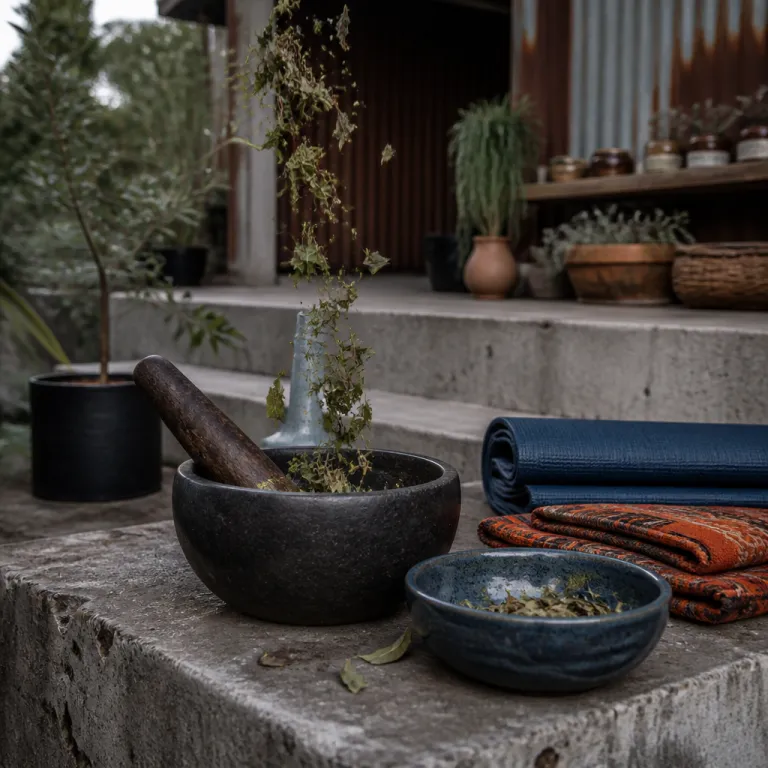
The shift from wellness tourism to relationship based learning
Wellness travelers are moving away from checklist tourism toward relationship based learning with specific healing traditions. Many travelers now choose wellness travel that centers on one lineage, one teacher, and one landscape, rather than a programme that samples ten practices in five days. This change is reshaping how people understand wellness, healing, and the purpose of travel itself.
Industry data from the Global Wellness Institute and similar research groups shows that a growing share of wellness tourism now integrates indigenous healing, with roughly a quarter of wellness retreats worldwide weaving in traditional healing practices in some form. For example, the Global Wellness Institute’s 2023 report on wellness tourism notes that community-led retreat models and nature-based healing experiences are among the fastest-growing segments. That growth reflects a deeper desire for cultural immersion, where travelers engage with local culture not as entertainment but as a living system of wellness practices that keep health well in body, mind, and community. In this context, indigenous healing within wellness travel becomes less about novelty and more about entering a long conversation with place and people.
Retreat organizers increasingly partner with indigenous healers as primary actors, not background performers. These practitioners bring ceremonial rituals, plant based healing, and community participation into wellness retreats in ways that honor mind, body, and spirit together. When this collaboration is done well, immersive wellness experiences support both the wellness travelers and the local communities who hold the knowledge. As one Māori practitioner from Aotearoa described in a recent wellness tourism roundtable, “If the land, the language, and the elders are not thriving, then the visitor cannot truly be well here.”
The most thoughtful programmes now distinguish clearly between cultural tourism and healing tourism. Cultural visits might involve watching a dance or visiting a heritage site, while healing tourism asks whether you are ready to participate in spiritual healing rituals that carry responsibilities beyond the retreat. That distinction matters for anyone seeking indigenous healing, because participation in healing practices implies a commitment to respect, reciprocity, and ongoing learning.
For solo travelers from the United States or elsewhere, this shift demands more preparation and humility. You are no longer just choosing beautiful places or an island escape; you are entering someone’s living culture and spiritual ecosystem. The question becomes not only where you will travel, but how well you will show up as a guest in those traditions.
From cultural immersion to genuine healing: where the line sits
Many programmes now advertise cultural immersion, yet only some create conditions for genuine healing. A cooking class or craft workshop can be meaningful, but it does not automatically become spiritual healing or traditional healing just because it happens in a remote village. The difference lies in intention, depth of relationship, and how the retreat holds the mind, spirit, and body of everyone involved.
Authentic indigenous healing focused wellness travel usually begins with listening rather than scheduling. You might spend the first day simply walking the land with a local elder, learning how wellness practices are woven into daily life, agriculture, and community rituals. That slow start can feel unfamiliar to wellness travelers used to tight itineraries, yet it is often where the real healing traditions begin to speak.
Retreats that cross the line into appropriation often treat indigenous healing as interchangeable content. A morning yoga class, an afternoon “shamanic” session, and an evening sound bath are presented as equal menu items, regardless of whether the people leading them are rooted in those cultures. In contrast, a programme grounded in one culture will show how yoga mindfulness, yoga meditation, or other practices arise from specific histories, languages, and cosmologies.
Look for signs that local people hold authority over their own healing practices. Are ceremonies led by recognized community practitioners, or by visiting teachers who learned a weekend method of spiritual healing somewhere else? Are wellness retreats transparent about how they compensate indigenous healers and how decisions are made about what can be shared with travelers?
In some destinations, cultural festivals are becoming entry points for more mindful wellness tourism. A mindful immersion in Highland culture, for example, can be approached as a way to understand how music, movement, and land based rituals support health well in a specific community; guides like this wellness focused Highland culture immersion show how to participate respectfully. The same principles apply whether you are in India, the Baltics, or the United States, where indigenous healing and cultural experiences require the same care.
Markers of reciprocity: how to read a retreat’s ethics
Ethical indigenous healing and wellness travel rests on reciprocity, not extraction. When you evaluate retreats, the most important question is not how many ceremonies are included, but how the programme supports the people and places that make those ceremonies possible. A credible retreat treats wellness, healing, and culture as shared responsibilities rather than commodities.
Start by examining who owns and governs the retreat structure. If indigenous healers are described only as “special guests” while a foreign operator controls pricing and programming, the balance of power is clear, and wellness tourism risks becoming another extractive industry. In contrast, community benefit models channel a meaningful share of revenue back into local health well initiatives, language preservation, or training for younger practitioners in healing practices and wellness practices. Some community-led retreat cooperatives in Latin America, for instance, publicly commit to keeping 60–70% of retreat income within the village through revenue sharing agreements, local hiring, and land stewardship funds.
Transparent communication is another marker of integrity. Strong programmes explain which aspects of traditional healing can be shared with travelers and which remain private to the community, and they are honest about the limits of what a short stay can offer. They also set realistic expectations about spiritual healing, avoiding promises of instant transformation while emphasizing the importance of mind body integration over time.
Look for retreats that invest in long term relationships with a small number of teachers and prepare guests thoroughly before arrival. This approach mirrors the discipline found in martial arts or classical yoga, where depth matters more than variety; resources like this guide to doing less in mindful travel echo the same principle. A well designed intake process might include a health questionnaire, a conversation about your intentions, and clear guidance on cultural protocols, followed by a stay that centers one community and one landscape. When a retreat returns to the same village, the same island, or the same forest year after year, indigenous healing can unfold in a way that respects both body, mind, and community continuity.
Finally, pay attention to how a programme frames your role as a guest. Ethical wellness travel invites you to contribute, perhaps through supporting local conservation, language classes, or community led projects that help protect sacred places. When wellness retreats position travelers as partners in sustaining healing traditions, rather than as consumers of exotic experiences, everyone involved stands to do well.
Learning from specific landscapes: Kerala, Yunnan, the Andes, and beyond
Retreat culture is being reshaped most visibly in regions where land, lineage, and healing are inseparable. In Kerala, India, serious programmes treat Ayurveda not as a spa add on but as a complete system of wellness practices that align diet, daily rhythm, and spiritual inquiry with the monsoon shaped landscape. Here, indigenous healing oriented wellness travel might mean committing to a multi week protocol where mind, body, and spirit are recalibrated through food, oil therapies, and disciplined rest.
In Yunnan, traditional Chinese medicine is often taught through the fields and forests where medicinal plants grow. Travelers walk with local practitioners who explain how wellness, healing, and agriculture have evolved together, and how certain healing practices are reserved for community members while others can be shared with respectful visitors. This kind of immersive wellness experience turns the land itself into a classroom, where tourism becomes a vehicle for cultural immersion rather than spectacle.
The Andes offer another model, where spiritual healing is tied to altitude, water sources, and specific mountains regarded as living beings. Some wellness retreats in Peru now limit group sizes and require preparatory calls to ensure that travelers understand the responsibilities involved in participating in indigenous healing ceremonies. When done well, these programmes emphasize reciprocity with local people and with the land, framing wellness travel as a long term relationship rather than a one time peak experience.
Coastal and island settings are also rethinking wellness tourism through indigenous lenses. Programmes in places like Hawai‘i or Aotearoa in the Australia–New Zealand region increasingly center local navigational knowledge, ocean stewardship, and community rituals that keep health well across generations. A mindful journey that moves from wild savannah to healing shores, such as the one outlined in this safari and coastal healing guide, shows how land and sea based traditions can shape the rhythm of a retreat.
Across these regions, the most grounded programmes resist the urge to blend everything into a global wellness smoothie. Instead, they invite travelers to sit with one culture, one set of healing traditions, and one landscape long enough for subtle shifts in body mind awareness to take root. That patience is where indigenous healing and wellness travel begins to feel less like tourism and more like apprenticeship.
Preparing yourself as a respectful participant, not a wellness consumer
Entering indigenous healing spaces as a traveler requires more than a good packing list. It asks for a recalibration of expectations about what wellness, healing, and progress look like when you are not in charge of the timetable. The inner work you do before you travel often determines how well you can receive what the land and its people are willing to share.
Begin by clarifying your intentions in writing. Are you seeking relief from stress, a deeper spiritual connection, or a more integrated sense of mind, body, and spirit, and are you prepared for answers that may not match your initial expectations? Honest self inquiry helps you choose between wellness retreats that promise quick fixes and those that frame indigenous healing and wellness travel as the start of a longer journey.
Next, research the specific culture you will visit, not just the retreat brand. Learn basic phrases in the local language, read about the history of wellness practices in that region, and understand any current struggles the community faces. This context helps you see how healing practices function within everyday life, rather than as isolated rituals staged for tourism.
On site, prioritize listening over photographing. Ask permission before recording ceremonies, and accept that some aspects of traditional healing are not meant to be shared on social media or replicated back home. Respecting these boundaries is part of supporting health well for the community and for your own spiritual healing process.
Finally, consider how you will integrate what you learn once you return to the United States or wherever you live. Rather than importing fragments of indigenous healing into your yoga class or coaching practice, you might choose to deepen your own yoga mindfulness or yoga meditation within your cultural context, while continuing to support the communities that welcomed you. In this way, wellness tourism becomes a cycle of learning, gratitude, and reciprocity that keeps both travelers and host communities well.
FAQ
What are indigenous healing traditions in the context of wellness travel ?
Indigenous healing traditions in wellness travel are ancestral systems of care that integrate spiritual, physical, and community based methods within specific cultures. They include healing practices such as plant based medicine, ceremonial rituals, and movement forms that align mind, body, and spirit with the land. As one expert summary puts it, "Ancestral practices focusing on holistic wellness through spiritual, physical, and community-based methods."
How are retreats incorporating indigenous practices without appropriating them ?
Retreats that work respectfully with indigenous healing usually co design programmes with local practitioners and communities. They integrate traditional healing through ceremonies, plant based healing, and community rituals while being transparent about what can be shared and what remains private. A key reference explains that this often looks like programmes that "integrate traditional ceremonies, plant-based healing, and community rituals into their programs."
Why is there growing interest in indigenous healing within wellness tourism ?
Interest is rising because many travelers feel that conventional wellness practices do not fully address the connection between people, land, and spirit. Indigenous healing focused wellness travel offers a way to engage with holistic systems where health well is understood as balance across body, mind, community, and environment. As one concise answer notes, "People seek holistic and authentic wellness experiences that connect them to nature and ancient wisdom."
How can I evaluate whether a retreat genuinely benefits the local community ?
Look for clear information about ownership, revenue sharing, and decision making structures. Ethical wellness retreats usually state how they compensate indigenous healers, how much income stays in the community, and what long term projects in education, health, or cultural preservation they support. Programmes that emphasize community participation and ongoing partnerships are more likely to align wellness tourism with local priorities.
Is it appropriate to bring elements of indigenous practices back home after a retreat ?
It is usually more respectful to integrate the values you learned, such as reciprocity and slowness, rather than copying specific rituals or sacred objects. Many practitioners ask that certain ceremonies remain within their culture, while encouraging visitors to deepen their own yoga, meditation, or wellness practices in culturally grounded ways. Supporting the communities financially or amplifying their voices can be a more ethical form of ongoing engagement than replicating their rituals abroad.