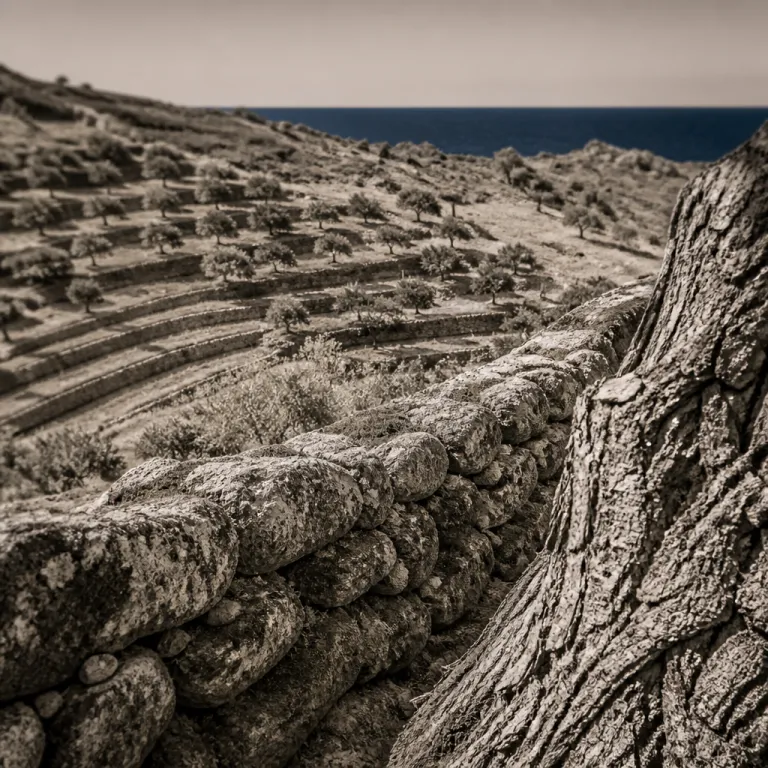
Why Sardinia's blue zone matters for mindful wellness travel
On the eastern side of Sardinia, the Ogliastra region has become shorthand for longevity and quiet resilience. Researchers classify it as a blue zone, one of a handful of zones worldwide where people live significantly longer and reach 100 with surprising regularity. For wellness travelers, this Sardinia blue zone wellness travel longevity story is less about anti aging hacks and more about how people live their daily life with unhurried purpose.
Demographers first mapped this blue zone in Sardinia Italy through meticulous village records and health assessments. Their work showed that the centenarian ratio here is roughly ten times higher than in many industrialised regions, especially among men, which challenged assumptions about gender and longevity. A long running longevity study has since combined demographic analysis with lifestyle observation, partnering with local communities and health organisations to understand how people live, eat, move and relate to one another on this rugged island.
When you walk into a village bar in this part of Sardinia, you do not meet wellness influencers ; you meet shepherds in their eighties who still climb hills daily. These people live in stone houses, eat simple Mediterranean meals, drink local Cannonau wine in moderation and maintain dense social networks that stretch across generations. For travelers interested in Sardinia blue zone wellness travel longevity, the lesson is clear : the most powerful wellness experience here is not a hotel spa treatment, but watching how elders move through a normal day with a steady sense purpose.
Inside the daily life of Sardinian centenarians
Ask Sardinian centenarians about their secret and they rarely mention supplements or anti aging regimes. They talk about walking to the fields, tending animals on the blue hills above the sea and sharing long meals with family where the conversation is as nourishing as the food. In this blue zone, longevity is woven into daily life rather than pursued as a separate wellness activity.
Researchers studying Sardinia Italy have used surveys and health assessments to map how people live across different villages. Their findings echo what many travelers notice within a day of arriving in Ogliastra : older people are visible everywhere, from church steps to vineyards, and they keep moving through steep streets that would challenge younger visitors. One of the most cited explanations from Blue Zones research is simple and unvarnished : "Regions with high longevity rates." and "Why is Sardinia notable?" "High number of male centenarians."
Meals follow a Mediterranean rhythm built around plant based ingredients, whole grains, garden vegetables and modest portions of cheese and meat. A small glass of local Cannonau wine often appears at lunch and dinner, but always folded into conversation, never as a wellness product. For mindful travelers, this Sardinia blue zone wellness travel longevity pattern offers a counterpoint to destination spas in places like Loma Linda in California or wellness retreats in Costa Rica and on the Nicoya Peninsula, where programmes can feel curated ; here the programme is simply how people live, every single day.
Beyond the marketing: blue zones versus longevity retreats
As wellness tourism grows past the trillion dollar mark, blue zones have become a marketing shorthand for living longer. You see it in glossy brochures that mention Okinawa Japan, Ikaria Greece, Loma Linda California and the Nicoya Peninsula in Costa Rica in the same breath as infrared saunas and biohacking menus. Yet the original blue zones research, led by writer and explorer Dan Buettner with a team of scientists, focused on how ordinary people live, not on curated retreats or luxury hotel spa packages.
In Sardinia's Ogliastra zone, the gap between reality and branding is obvious after a single slow walk through a hill village. There are no sunrise gong baths or branded anti aging elixirs, only older people carrying groceries up steep lanes and grandchildren orbiting around them in a tight social constellation. Compared with a beach hotel in Linda California or a resort promising pura vida in Costa Rica, this Sardinia blue zone wellness travel longevity experience feels almost austere, but that simplicity is precisely what many wellness travelers now seek.
Food is a telling example of this divergence between zones as marketing and zones as lived reality. In Sardinia Italy, meals are cooked at home or in agriturismi kitchens, often by women who have never heard of plant based cuisine but serve plates that would delight any nutritionist. If you are interested in how food itself becomes a practice, it is worth reading about culinary wellness journeys in Asia and then noticing how Sardinian grandmothers achieve similar health outcomes with fewer labels and more lived experience.
How to visit Sardinia's blue zone with respect and depth
Mindful travel in a blue zone starts with humility, especially when longevity becomes a selling point. In Ogliastra, you are entering communities where people live long lives not for your inspiration, but because their social fabric and geography have evolved together over centuries. Approaching Sardinia blue zone wellness travel longevity as a student rather than a wellness consumer changes everything about your stay.
Begin by choosing accommodations that sit inside real villages rather than isolated compounds, whether that means a family run guesthouse, a simple beach hotel near a working harbour or an agriturismo on a hillside farm. These places often lack the polished rituals of a hotel spa, yet they offer something more valuable for wellness travelers : proximity to daily life, from early morning bread deliveries to evening card games in the square. When you walk to dinner instead of ordering room service, you start to feel how movement, social contact and a shared sense purpose quietly support health.
Respect also means resisting the urge to turn elders into wellness exhibits or to schedule your day around collecting longevity stories. Engage naturally, learn a few words of Italian or Sardinian and accept that some of the most important lessons will be unspoken. If you are drawn to slow journeys that frame travel itself as a wellness experience, consider pairing your Sardinia trip with an overnight rail segment, using guides such as this piece on slow travel by rail to extend the blue zone mindset beyond the island.
Where to stay: agriturismi, family houses and understated coastal retreats
Choosing where to sleep shapes how you experience any wellness journey, and Sardinia's blue zone is no exception. In Ogliastra, agriturismi remain the most direct way to step into the rhythms of rural life, because you are literally staying on working farms where people live and work across generations. These properties rarely advertise Sardinia blue zone wellness travel longevity, yet they embody it in the way grandparents, parents and children share space, labour and meals.
Look for agriturismi perched above the coast, where you can walk down to the sea in the morning and return to long Mediterranean dinners at night. A simple beach hotel near a fishing village can also work beautifully for wellness travelers, especially if it encourages walking rather than shuttles and serves local plant based dishes alongside fresh fish and Cannonau wine. The absence of a formal hotel spa is not a drawback here ; the real spa is the combination of salt water swims, hillside paths and the quiet satisfaction of eating food grown within a few kilometres.
Families travelling with children often find that these understated stays create more meaningful wellness experience than high concept resorts in other zones like Okinawa Japan or Ikaria Greece. Children can watch how older people live, help with small farm tasks and see longevity not as an abstract health goal but as a natural extension of daily life. If you travel with a multigenerational group, the shared rooms, communal tables and unhurried day structure can subtly reinforce your own family bonds, which may be the most powerful anti aging intervention you bring home.
What you can bring home from Sardinia's blue zone
The most valuable souvenirs from Sardinia's blue zone are habits, not products. After a week in Ogliastra, many travelers notice how their own sense purpose sharpens when days are structured around walking, shared meals and simple tasks rather than schedules packed with wellness treatments. This is where Sardinia blue zone wellness travel longevity becomes portable, because you can recreate elements of the lifestyle even if you live far from the island.
Start with movement that is woven into daily life instead of isolated workouts, such as walking to the market, taking stairs and planning social walks with friends. Then look at meals, shifting towards a Mediterranean pattern that emphasises plant based dishes, beans, whole grains and modest portions of animal products, ideally shared with people you care about. A small glass of red wine with dinner, whether Cannonau wine from Sardinia Italy or another regional bottle, can be part of this pattern if your health allows, but the key is that it accompanies conversation rather than screens.
Equally important is the social architecture that underpins longevity in all blue zones, from Loma Linda to the Nicoya Peninsula and from Ikaria Greece to Okinawa Japan. People live longer where they feel needed, where neighbours notice if they miss a day in the square and where roles for elders remain clear. You cannot import Sardinia's exact context, or the specific stories of centenarians like Jennifer or the unnamed shepherds you might meet, yet you can cultivate your own circles of mutual care, which may be the deepest wellness experience of all.
Key figures behind Sardinia's blue zone longevity
- Researchers have documented that certain Sardinian villages in the Ogliastra region show a centenarian ratio up to ten times higher than many industrialised areas, highlighting the exceptional longevity of this blue zone (Blue Zones research, ongoing study).
- Sardinia is one of only five original blue zones identified globally, alongside Loma Linda in California, the Nicoya Peninsula in Costa Rica, Ikaria Greece and Okinawa Japan, which positions the island within a rare group of regions where people live significantly longer lives (Blue Zones research programme).
- Long term fieldwork in Sardinia Italy has combined demographic analysis with lifestyle observation and health assessments, creating one of the most detailed datasets on how daily life patterns, diet and social structures influence longevity in a defined geographic zone (longevity study, 2004 to present).
- Global wellness tourism has been estimated in industry reports to exceed one trillion dollars in annual value, with longevity focused travel identified as one of the fastest growing segments, which explains the surge of interest in blue zones as wellness destinations (Global Wellness Institute, sector analyses).
FAQ: Sardinia's blue zone and mindful wellness travel
What exactly is a blue zone and why is Sardinia included ?
A blue zone is a region where people live measurably longer lives, with unusually high numbers of centenarians compared with global averages. Sardinia, particularly the Ogliastra area, was included after demographic studies showed exceptional longevity, especially among men, and linked it to lifestyle factors such as movement, diet and social cohesion. This makes Sardinia Italy a key reference point for anyone interested in how place and culture shape wellness and longevity.
How can I experience Sardinia's blue zone respectfully as a traveler ?
The most respectful approach is to stay in locally owned accommodations, participate in everyday activities and avoid treating elders as tourist attractions. Walk the same streets residents use, eat simple Mediterranean meals in family run restaurants or agriturismi and allow conversations to unfold naturally. By aligning your travel rhythm with local daily life, you support the community while gaining a more authentic wellness experience.
Are Sardinian blue zone habits realistic to apply at home ?
Some elements, such as the island's geography or tight knit village structures, are hard to replicate elsewhere. Yet many core habits behind Sardinia blue zone wellness travel longevity are portable, including regular walking, plant based meals, modest wine consumption and maintaining a strong sense purpose through family, work or volunteering. Adapting these principles to your own context can support better health even without the exact Sardinian environment.
Do I need a structured wellness retreat to benefit from visiting Sardinia ?
You do not need a formal retreat to gain wellness benefits from time in Sardinia's blue zone. In fact, many travelers find that unstructured days, where they simply walk, share meals and observe how older people live, offer deeper insights than scheduled programmes. If you prefer some guidance, choose experiences that emphasise cultural immersion and daily life rather than intensive anti aging treatments.
How does Sardinia compare with other blue zones like Nicoya or Okinawa ?
All blue zones share common themes such as plant based diets, natural movement and strong social ties, yet each region expresses these differently. Sardinia's blue zone is distinctive for its high proportion of male centenarians, its mountainous island geography and its pastoral traditions, while places like the Nicoya Peninsula in Costa Rica or Okinawa Japan have their own cultural and dietary nuances. Visiting multiple zones can help travelers see which aspects of longevity are universal and which are deeply rooted in local culture.