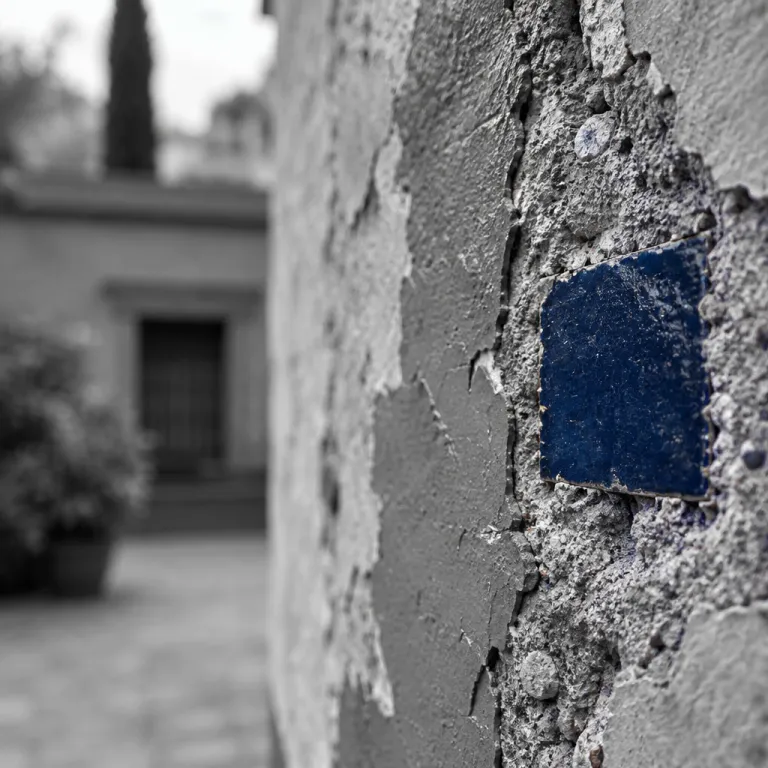
Why mindful travelers are drawn to the must visit places in Mexico City
Mexico City rewards travelers who slow down and pay attention. In this vast city, the must visit places in Mexico City become richer when you treat every street as a living museum of memory and sensation. A mindful approach to travel here turns each day into a layered experience rather than a rushed checklist.
The historic heart, Centro Histórico, is often listed among the city best areas for first time visitors. Yet for wellness oriented travelers, this neighborhood is also a powerful place to practice grounding through sound, scent, and texture. Pause near the Catedral Metropolitana, feel the stone beneath your feet, and notice how pre Hispanic roots and colonial architecture coexist around Templo Mayor.
When you visit Mexico with intention, even busy plazas can feel contemplative. Many people arrive searching for the best things to do and the most photogenic restaurants, but mindful travel reframes that goal. You begin to ask how each trip can support your nervous system, your curiosity, and your respect for Mexican culture.
Planning ahead matters for this kind of journey through Mexico City. Thoughtful travel insurance, flexible schedules, and realistic expectations about traffic and altitude all protect your energy. With those basics in place, you can let the city’s food, art, and everyday rituals guide your day rather than a rigid tour agenda.
For wellness travelers, the must visit places in Mexico City are not only monuments but also quiet corners. A shaded bench in Chapultepec Park, a small group meditation in a neighborhood studio, or a slow coffee in Roma can be as meaningful as Chapultepec Castle. The key is to design each day trip or walk around the city as a chance to reconnect with yourself.
Centro Histórico, Templo Mayor and Bellas Artes as mindful cultural anchors
Centro Histórico is usually the first stop on any tour of the must visit places in Mexico City. For a mindful traveler, this historic city center becomes a classroom in how civilizations layer over one another while still leaving traces. Standing between the ruins of Templo Mayor and the grand Palacio de Bellas Artes, you can feel Mexico’s complex story in your body.
Begin your day early, before the crowds, and walk slowly along the streets that radiate from the Zócalo. Notice how the architecture shifts from colonial facades to modernist buildings, and let this contrast guide reflections on change and continuity in Mexican life. Each plaza, church, and museum offers a different emotional temperature, from the solemnity of Templo Mayor to the theatrical energy of Bellas Artes.
Inside the Templo Mayor museum, move through the galleries at half your usual speed. Read fewer labels but look more closely at each piece of art, imagining the hands that shaped it and the rituals it once served. This kind of attentive visit turns an ordinary travel stop into a meditative experience that honors the people behind the objects.
Palacio de Bellas Artes is one of the must visit places in Mexico City for anyone interested in art and performance. Instead of rushing to photograph the murals, sit quietly on a bench and let your eyes travel slowly across the details. You may find that ten minutes of stillness here offers more insight into Mexican identity than any fast paced guided tour.
Food and coffee breaks in Centro Histórico can also support wellness when chosen carefully. Seek out traditional Mexican restaurants that use seasonal ingredients, and treat your meal as a sensory ritual rather than a quick refueling stop. If you are curious about mindful gastronomy in other cities, a detailed guide to how mindful travelers can savour what San Francisco is truly known for in food offers useful parallels for slowing down with each bite.
Chapultepec Park, Chapultepec Castle and the Anthropology Museum for reflective days
Chapultepec Park is one of the green lungs of Mexico City and a sanctuary for mindful travelers. Many lists of the must visit places in Mexico City mention Chapultepec, but few emphasize how restorative slow walking here can be. Enter the park on a weekday morning, breathe with the trees, and let the city noise soften behind you.
The climb to Chapultepec Castle offers both physical movement and historical reflection. As you ascend, pause at the viewpoints and notice how the city stretches in every direction, reminding you of Mexico City’s scale and resilience. Inside the castle, move gently through the rooms, paying attention to how light, color, and architecture influence your mood.
Nearby, the National Anthropology Museum stands among the city best institutions for understanding Mexican cultures. This museum is often crowded, so a mindful strategy is to choose only two or three sections for a focused visit. Sit occasionally on a bench, let your eyes rest, and allow the stories of each civilization to settle rather than rushing to see everything in one day.
For wellness oriented travelers, the combination of Chapultepec Park, Chapultepec Castle, and the Anthropology Museum makes an ideal day trip. You can alternate between movement and stillness, between outdoor air and curated galleries, which helps regulate energy and attention. This rhythm mirrors other mindful itineraries in Mexico, such as a mindful traveler’s guide to the best things to see and do in Guadalajara, where pacing is as important as the sights themselves.
When planning these experiences, consider how travel insurance supports a calmer mindset. Knowing that your trip is protected allows you to linger longer in the park, to join a small group cultural tour without anxiety, or to extend your visit Mexico stay if you feel called to deepen your learning. In this way, practical planning becomes part of your overall wellness architecture.
Roma, Roma Norte and everyday rituals of mindful neighborhood life
Roma and Roma Norte have become symbols of creative urban life in Mexico City. Many guides list them among the must visit places in Mexico City for their restaurants, galleries, and tree lined streets. For mindful travelers, these neighborhoods are also ideal laboratories for practicing presence in everyday moments.
Start with a slow coffee in a quiet Roma Norte café, choosing a corner seat that lets you observe without intruding. Notice the rhythm of the neighborhood as people walk dogs, open shops, and share food at sidewalk tables. This kind of unstructured time can be one of the best things you do in the city, because it reconnects you with ordinary human pace.
As you wander Roma, pay attention to the architecture and street art that give the area its character. Many buildings show a blend of early twentieth century design and contemporary renovations, reflecting how Mexico City continually reinvents itself. Let your walk become a moving meditation, where each façade, mural, and tree canopy becomes a point of focus.
Food in Roma and Roma Norte can easily turn into a rushed checklist of famous restaurants. A mindful alternative is to choose one food tour or one carefully selected meal per day, savoring each dish as a story about Mexican ingredients and migration. When you eat this way, your trip becomes a deeper cultural experience rather than a series of quick tastes.
These neighborhoods also offer gentle ways to balance more intense city days. After a stimulating visit to a major museum or a late night lucha libre show, a quiet morning walk through Roma can help your nervous system reset. Over time, you may find that these small group rituals of walking, sitting, and sipping coffee become your most cherished memories of Mexico City.
Nighttime energy, lucha libre and mindful approaches to Mexico City’s intensity
Mexico City after dark can feel like an entirely different city, full of sound and color. Many travelers list a lucha libre match among the must visit places in Mexico City experiences, drawn by the theatrical masks and acrobatics. For wellness focused visitors, the challenge is how to engage with this intensity without feeling overwhelmed.
One approach is to frame nightlife as a conscious practice in energy management. If you plan to attend lucha libre, schedule a quiet day beforehand with time in Chapultepec Park or a calm neighborhood like Roma. Arrive early, sit for a few minutes outside the arena, and set an intention for how you want to experience the show rather than simply reacting to the crowd.
Food and drink choices also shape how your body handles Mexico City nights. Opt for lighter Mexican dishes and plenty of water before and after the event, and notice how different restaurants affect your digestion and sleep. This kind of attention turns a typical night out into a small wellness experiment that can inform future travel decisions.
Some of the must visit places in Mexico City at night include rooftop bars with views of the city, late opening museums on special days, and live music venues. Choose one main activity per night instead of stacking multiple plans, which helps you stay present and reduces decision fatigue. When you treat each evening as a single, intentional experience, you create space for genuine connection with the city.
Mindful travelers also benefit from clear boundaries around safety and rest. Arrange reliable transportation, keep copies of your travel insurance details accessible, and decide in advance what time you will head back to your accommodation. With these structures in place, Mexico City’s nighttime energy can feel exhilarating rather than exhausting.
Day trips, Biblioteca Vasconcelos and designing a restorative Mexico City itinerary
Some of the most memorable must visit places in Mexico City actually sit at its edges or just beyond. Thoughtfully chosen day trips can balance the sensory intensity of the city with quieter landscapes and smaller communities. When planned with wellness in mind, these excursions become opportunities to reset your nervous system while deepening your understanding of Mexico.
Popular day trips from Mexico City include visits to Teotihuacán, nearby pueblos mágicos, and lakeside retreats. To keep these experiences mindful, limit yourself to one major site per day and avoid overpacked tour schedules. Choose a small group format when possible, which allows more flexibility for pauses, reflection, and unhurried meals of regional food.
Within the city, Biblioteca Vasconcelos offers a different kind of retreat. This striking library, often called a cathedral of books, is one of the city best spaces for quiet contemplation and slow reading. Walk its suspended walkways, find a corner table, and let the architecture and silence recalibrate your senses after busy days in museums and markets.
Designing a restorative itinerary in Mexico City also means respecting your personal rhythms. If you know that long flights leave you depleted, plan your first full day as a gentle one with short walks, light food, and perhaps a brief visit to a nearby museum. Resources such as guidance on how long to stay in Seoul for a restorative mindful trip can help you think about duration and pacing in any large city, including Mexico City.
Throughout your stay, keep returning to the question of how each visit, tour, or meal supports your overall wellbeing. Let the must visit places in Mexico City serve as anchors, but give equal value to unscheduled time, naps, and simple pleasures like street corner coffee. In the end, the most meaningful things Mexico offers mindful travelers are often the quietest moments between the famous sights.
Key statistics on wellness and mindful travel in Mexico City
- According to the Global Wellness Institute, wellness tourism accounted for an estimated 6.5 percent of all tourism trips worldwide, showing strong demand for experiences like mindful cultural travel in major cities such as Mexico City.
- Data from the Mexico City Tourism Ministry indicate that cultural attractions, including museums and historic sites, represent more than half of visitor motivations, which aligns closely with mindful travelers’ interest in art, history, and architecture.
- The National Institute of Anthropology and History reports that the National Anthropology Museum consistently ranks among the most visited museums in Mexico, receiving several million visitors annually, making it a central stop for culturally focused itineraries.
- Surveys by the Adventure Travel Trade Association suggest that travelers who prioritize wellness and culture are willing to spend up to 130 percent more per trip than mass market tourists, which encourages Mexico City operators to design higher quality, small group experiences.
- Research from the World Travel & Tourism Council highlights that urban green spaces, such as Chapultepec Park, contribute measurably to residents’ and visitors’ mental health, reinforcing the value of integrating parks into mindful Mexico City itineraries.
FAQ about mindful travel and must visit places in Mexico City
How many days do I need in Mexico City for a mindful trip ?
Most mindful travelers benefit from at least five full days in Mexico City, which allows time for Centro Histórico, Chapultepec Park, Roma neighborhoods, and one or two day trips without rushing. This duration also gives your body time to adjust to altitude and city pace. If you are especially sensitive to sensory overload, consider a longer stay with more rest days.
Which must visit places in Mexico City are best for quiet reflection ?
Chapultepec Park, Biblioteca Vasconcelos, smaller churches in Centro Histórico, and early morning walks in Roma Norte are particularly suited to quiet reflection. Visiting major sites like Chapultepec Castle or the Anthropology Museum right at opening time also creates calmer conditions. Choosing weekdays instead of weekends further reduces crowds and noise.
How can I eat mindfully while enjoying Mexican food in the city ?
Focus on two intentional meals per day, choosing restaurants or street food vendors known for freshness and regional dishes. Eat slowly, notice textures and spices, and pause between courses to check how your body feels. Balancing heavier meals with lighter options like soups, salads, and fruit helps maintain energy during a full travel day.
Is Mexico City safe for solo mindful travelers ?
Mexico City can be safe for solo travelers who take standard urban precautions, such as using registered taxis or ride hailing apps, avoiding poorly lit areas at night, and keeping valuables discreet. Staying in central neighborhoods like Roma, Condesa, or parts of Centro Histórico simplifies logistics. Having comprehensive travel insurance and sharing your itinerary with someone at home adds another layer of security.
How do I balance seeing the city best attractions with rest ?
Plan no more than one major attraction and one lighter activity per day, such as pairing the Anthropology Museum with a gentle walk in Chapultepec Park. Schedule rest blocks in your accommodation or a quiet café between activities. Remember that skipping one museum or tour to protect your wellbeing often leads to a richer overall Mexico City experience.