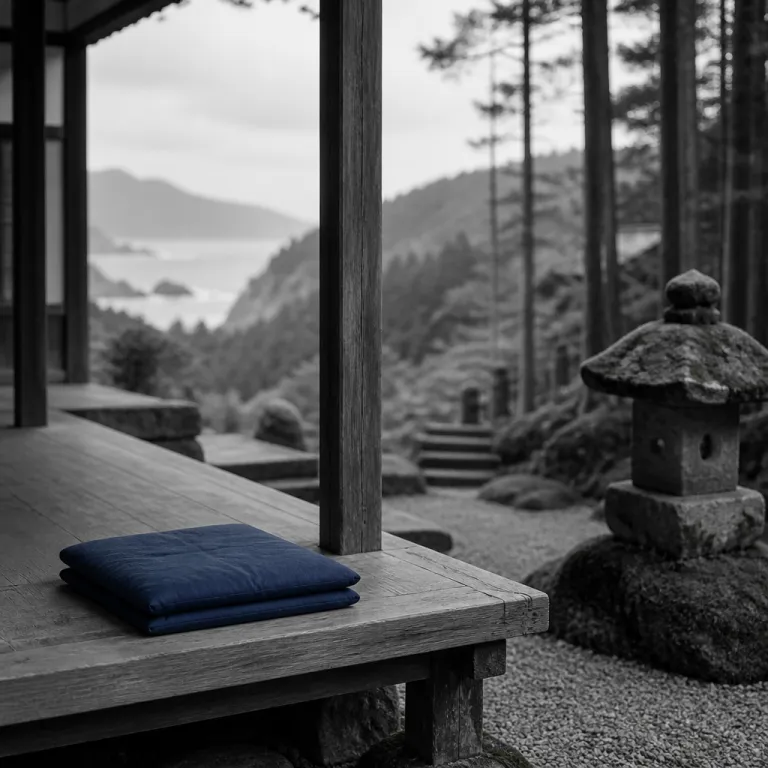
Shikoku and Tohoku as Japan’s quiet new mindfulness frontier
Japan has long equalled wellness in the minds of discerning travelers, yet most itineraries still orbit Kyoto, Hakone and the classic ryokan and hot spring circuit. A different narrative is now emerging around mindful travel in Shikoku and Tohoku, shaped by small group programmes that prioritise silence, practice and cultural depth over spa theatrics. For wellness minded people who travel Japan for more than a checklist, these regions offer retreats where the mind body connection is treated as a serious craft rather than a marketing slogan.
Shikoku and Tohoku sit at opposite ends of the country, yet both regions hold space for a slower, more attentive way to travel. In Shikoku, the 88 temple pilgrimage trail reframes the idea of a yoga retreat or mindfulness retreat as a walking meditation, with sections of the henro path curated into three to five day journeys. In Tohoku, post disaster resilience has evolved into a contemplative hospitality culture, where a retreat stay often means long soaks in a hot spring, guided zen meditation and forest bathing in cedar valleys that remain quiet even in peak Japan June travel periods.
What distinguishes this new wave of wellness retreats from traditional stays is intention. These are not quick overnight escapes, but multi day experiences designed for longer immersion, with structured meditation yoga or yoga meditation sessions, cultural workshops and often all meals included to keep the day rhythm simple. The best wellness Japan properties operate year round, yet they lean into seasonality, shaping yoga retreats and meditation schedules around the light, the harvest and the particular mood of each month from April through November.
Shikoku’s 88 temple trail as moving meditation
On Shikoku, the classic henro pilgrimage has become the backbone of some of the most thoughtful mindfulness itineraries in rural Japan. Rather than attempting the full 1,200 kilometre loop, new programmes focus on two or three day segments that pair temple stays with guided walking, yoga and quiet time. This approach respects the original spiritual intent while making the retreat experience accessible to people with limited vacation days who still want depth.
Several organisers now collaborate with local priests to shape wellness retreats that feel rooted rather than imported. For example, temple lodgings such as Eifuku-ji and Jigen-ji on the Tokushima and Kochi sections of the route host small groups for morning zazen, slow forest bathing in nearby cypress groves and an afternoon tea ceremony led by lay practitioners. Days often end with vegetarian meals included, cooked by the same families who care for the temple, which turns each meal into a cultural experience rather than a generic wellness buffet.
For solo travelers used to yoga retreats in Bali or Europe, Shikoku’s rhythm feels refreshingly unscripted. A typical retreat yoga day might begin before sunrise with meditation yoga in a wooden hall, continue with a few hours of walking between temples, then open into free time for journaling or simply watching local people go about their routines. Those who plan travel Japan itineraries around mindful movement will appreciate how the henro path itself becomes the teacher, gently aligning mind body awareness with each step.
Tohoku’s contemplative hot springs and temple stays
Head north and the tone shifts from pilgrimage to stillness, as Tohoku’s mountains and coasts host some of the most quietly powerful retreats Japan has developed in recent years. Here, the story is written in steam rising from an outdoor hot spring, in snow muffled forests and in the understated hospitality of temple guesthouses. The region’s slower pace suits travelers who want a retreat experience centred on rest, reflection and elemental contact with nature.
Akita’s Dairyuji Zen Temple is one of several temples in the region that welcome both serious practitioners and curious beginners. Public information from the temple describes structured wellness retreats that combine zazen, or seated zen meditation, with guided forest bathing and simple temple chores that ground the day in embodied practice. Nearby, places such as Yamadera in Yamagata and Chuson-ji in Iwate also host short meditation sessions and seasonal programmes that introduce visitors to basic Buddhist practice in an accessible way.
Many Tohoku programmes weave in onsen culture with equal care, using hot spring bathing as a daily ritual rather than a one off indulgence. After hours of meditation yoga or yoga retreat sessions, soaking in mineral rich waters helps the mind body system integrate the work, especially during crisp evenings in April or late November. For readers interested in how other cultures frame contemplative hospitality, it is worth comparing these experiences with philosophy led programmes in Europe, such as the retreats described in this piece on Greece’s mainland wellness stays.
New wave retreat design versus classic ryokan stays
Traditional ryokan in Japan have always offered a kind of implicit wellness, with tatami rooms, kaiseki meals and access to a hot spring or public bath. The new generation of mindfulness focused properties in Shikoku and Tohoku, however, are built around explicit practice, with daily schedules, teachers and small group formats that encourage accountability. Where a ryokan stay might be one night on a broader travel Japan route, these retreats invite guests to commit to three to five nights of structured inner work.
Programmes curated by specialist organisers typically include meditation yoga, gentle yoga retreats sessions and cultural workshops like calligraphy or tea ceremony. Many operate year round, yet they adjust the content of each day to the season, with more forest bathing and outdoor yoga retreat classes in Japan June and early autumn, and more indoor zen practice when Tohoku’s snow arrives. Crucially, meals included are designed to support wellness, often leaning on local vegetables, fermented foods and light broths that keep the mind body system clear for practice.
Language accessibility is another key differentiator for international guests. While classic countryside inns can be opaque for non Japanese speakers, the better wellness Japan retreats in Shikoku, Tohoku and the wider Chugoku Shikoku region now offer bilingual facilitation and clear pre arrival communication. This makes it far easier for people arriving from Tokyo or abroad to understand what each retreat yoga programme entails, from wake up times to whether there is any free time built into the schedule for solo exploration.
Seasonality, timing and how to structure your journey
Planning a mindful travel itinerary through Shikoku and Tohoku begins with the calendar, because these landscapes change character dramatically across the year. For many wellness travelers, April and Japan June are ideal, with cherry blossoms or fresh green foliage framing temple paths and forest bathing sessions. Autumn, especially late October into November, brings clear air, fewer people on the trails and hot spring evenings that feel almost medicinal after a long day of walking or yoga meditation.
Summer in Tohoku is milder than in Tokyo, which makes it attractive for those who want to travel Japan while avoiding oppressive heat. Shikoku can be humid, yet coastal breezes and shaded temple grounds keep early morning meditation yoga and retreat yoga sessions comfortable. Many wellness retreats operate year round, but winter programmes tend to focus more on indoor zen practice, extended soaks in onsen and reflective activities like journaling or art therapy rather than long outdoor hikes.
When structuring your journey, consider pairing regions rather than rushing between multiple retreats. One elegant arc is to begin with a three day temple based programme on the henro trail, then take a slow train north for a four day stay at a Tohoku hot spring and meditation centre. A typical example might be two nights at a Tokushima area temple lodging with guided walks, followed by an overnight train via Tokyo and three nights at a small onsen ryokan near Morioka that offers daily zazen and forest walks. If you are drawn to unhurried movement, study how overnight trains can double as a kind of rolling wellness retreat, as explored in this guide to slow travel by rail.
Practicalities: getting there, language, and what to expect
Reaching Shikoku and Tohoku for a mindful retreat journey is more straightforward than it appears on the map. From Tokyo, the Shinkansen connects you to Tohoku hubs like Sendai or Akita in around two and a half to four hours, with local trains or transfers arranged by retreat hosts for the final stretch. Shikoku is best approached via Okayama and the Seto Ohashi bridge, or by domestic flights to Takamatsu, after which many retreats Japan programmes provide clear instructions or pick up services.
Language can feel intimidating, yet the new generation of wellness retreats has learned from early adopters. Many temple hosts and wellness Japan organisers now provide English language materials, and some have bilingual staff on site, especially when working with a small group of international guests. You will still encounter moments where gestures do the work, but that is part of the experience, and most people in rural Japan respond warmly when visitors show patience and respect.
In terms of daily life, expect simple comfort rather than luxury excess. Rooms are often tatami based, with futons rolled out each night, and shared bathing facilities centred on a hot spring or large communal bath. Schedules usually balance structured practice with free time, and while many programmes are alcohol free, tea ceremony and carefully prepared meals included become the sensory highlights of the day, much as mindful sipping traditions do in other cultures, such as those explored in this piece on Mexican drinks for wellness oriented travelers.
Who these retreats are for – and how to choose with discernment
The emerging mindfulness movement in Shikoku and Tohoku speaks most clearly to travelers who value practice over pampering. If you are comfortable with early mornings, simple rooms and the quiet discipline of daily meditation yoga or yoga retreat sessions, you will likely feel at home in these spaces. Those seeking a more conventional resort style wellness break may find the emphasis on silence, chores and shared spaces challenging, especially in temple based settings.
Choosing the right retreat Japan programme begins with clarifying your intention. Some wellness retreats in Chugoku Shikoku and Tohoku lean heavily into zen, with long sits and minimal talking, while others balance yoga meditation, forest bathing and cultural workshops for a more varied experience. Look closely at group size, because a small group of eight to twelve people often allows for deeper guidance and a more intimate connection with teachers and local hosts.
Finally, pay attention to how organisers talk about mind body integration and cultural context. Reputable hosts frame their retreats Japan offerings as opportunities to engage with Japanese spiritual traditions respectfully, not as exotic backdrops for social media. When the schedule, the setting and the meals included all point in the same direction, you know you are entering a space where wellness Japan is not a trend, but a lived, year round practice.
Key figures shaping Japan’s mindfulness retreat landscape
- Temple based mindfulness retreats in rural Tohoku now welcome guests from both within Japan and overseas, reflecting growing curiosity about contemplative travel beyond the main tourist centres.
- Industry reports from the wider wellness tourism sector indicate a steady rise in demand for structured meditation and yoga retreats, and Japan is increasingly included in these global conversations.
- Most structured programmes in Shikoku and Tohoku run for three to five days, a duration that balances accessibility for international travelers with enough time for meaningful practice.
- Retreat organisers in regions such as Chugoku Shikoku note that a growing share of guests now plan travel Japan itineraries specifically around wellness retreats, rather than adding them as last minute extras.
FAQ about mindfulness retreats in Shikoku and Tohoku
Are these Japan mindfulness retreats suitable for beginners?
Most programmes in Shikoku and Tohoku are designed to welcome beginners as well as experienced practitioners. Organisers structure meditation yoga and yoga retreats sessions with clear instruction, and temple hosts often provide extra guidance for those new to zen practice. As one official answer from the retreat community puts it, “Are these retreats suitable for beginners? Yes, retreats cater to all levels, including beginners.”
What should I bring to a retreat in Shikoku or Tohoku?
Packing for a retreat Japan journey is about comfort and simplicity rather than gear. Bring loose clothing suitable for yoga, meditation and forest bathing, layers for changing weather, and personal toiletries, as many temple stays provide only the basics. Retreat organisers consistently emphasise one intangible item as essential : “What should I bring to a mindfulness retreat? Bring comfortable clothing, personal toiletries, and an open mind.”
How does Shinrin Yoku fit into these wellness retreats?
Shinrin Yoku, or forest bathing, is central to many wellness Japan programmes in both Shikoku and Tohoku. Guided walks through cedar or beech forests are treated as moving meditation, often scheduled between seated zen sessions and hot spring bathing. This practice supports mind body regulation by slowing the nervous system, and it has become a signature element of retreats Japan wide.
Do I need to speak Japanese to join a retreat?
Fluency in Japanese is not required for most experiences aimed at international guests. Many organisers now provide bilingual schedules, English speaking facilitators and clear pre arrival information, especially when working with a small group format. Learning a few basic phrases is still respectful and helpful, but you can comfortably navigate the day without advanced language skills.
How far in advance should I book a mindfulness retreat in these regions?
For peak seasons such as April cherry blossom and late November foliage, it is wise to secure your retreat yoga or yoga retreat place several months ahead. Smaller temple based programmes in Chugoku Shikoku and Tohoku often limit numbers to preserve a quiet atmosphere, so last minute spots can be rare. Off peak, especially outside major holidays, you may find more flexibility, but serious practitioners still tend to plan their travel Japan itineraries around confirmed retreat dates.