From food as medicine to cooking as meditation
Western wellness culture tends to treat food as medicine, measured in macros and framed by nutrition metrics. Thai and Indian traditions quietly propose something more radical for culinary healing travel in Thailand and India, where the act of cooking itself becomes the daily meditation. In these kitchens, wellness is not a smoothie in a spa café, but the way your hand learns to feel when the curry paste is alive.
On most wellness retreat itineraries, yoga appears at sunrise and food appears as a supporting act, yet in Thailand and India the line between yoga and cooking blurs. The same attention a yoga teacher brings to your breath in a vinyasa class is mirrored by a cooking instructor guiding your wrist as you temper mustard seeds in ghee. This mindful approach to culinary healing reframes the kitchen as a shala, where the stove replaces the mat and the ladle becomes a meditation bell.
Wellness cooking, as practitioners define it, is simple and precise at once. “What is wellness cooking? Cooking that focuses on health-promoting ingredients and methods.” That definition sounds clinical, but in the hands of Thai and Indian chefs it becomes a sensual, deeply satisfying practice that invites you to love food again without guilt.
In the West, food as medicine often means restriction, rules and sugar free promises that quietly drain joy from the plate. In contrast, Thai and Indian cuisine treat recipes as living mantras, repeated daily until they shape your nervous system as much as your palate. This style of culinary therapy asks you to taste your own mind in the pan, not just your cholesterol levels in a lab report.
Couples who arrive as wellness retreat veterans often expect another programme of juices and plant based bowls. Instead, they meet people for whom cooking is a devotional act, where a family friendly kitchen in Chiang Mai or Kochi holds as much spiritual charge as any Himalayan ashram. Once you have stood in that heat, the idea of food as a mere fuel source feels strangely thin.
The philosophical shift matters because it changes how you travel and how you return home. When food becomes the practice, every market visit, every street stall and every home kitchen in Thailand or India becomes part of your retreat, not a break from it. Back in your own apartment, the same approach turns weeknight recipes into a quiet, repeatable ritual that anchors healthy eating more effectively than any short term cleanse.
Thailand’s healing kitchens: from Chiang Mai farms to Bangkok fire
Thailand has leaned into this idea with rare clarity, positioning food-focused wellness journeys at the heart of its “healing is the new luxury” narrative. Tourism officials now speak openly about how you can heal your body with Thai food and heal your mind with meditation, and the country’s chefs have responded with programmes that treat the wok as a wellness tool. The expansion of the Thailand MICHELIN Guide across 11 destinations, covering 441 establishments in the 2023 edition, has only sharpened the focus on cuisine as a serious pathway to wellbeing.1
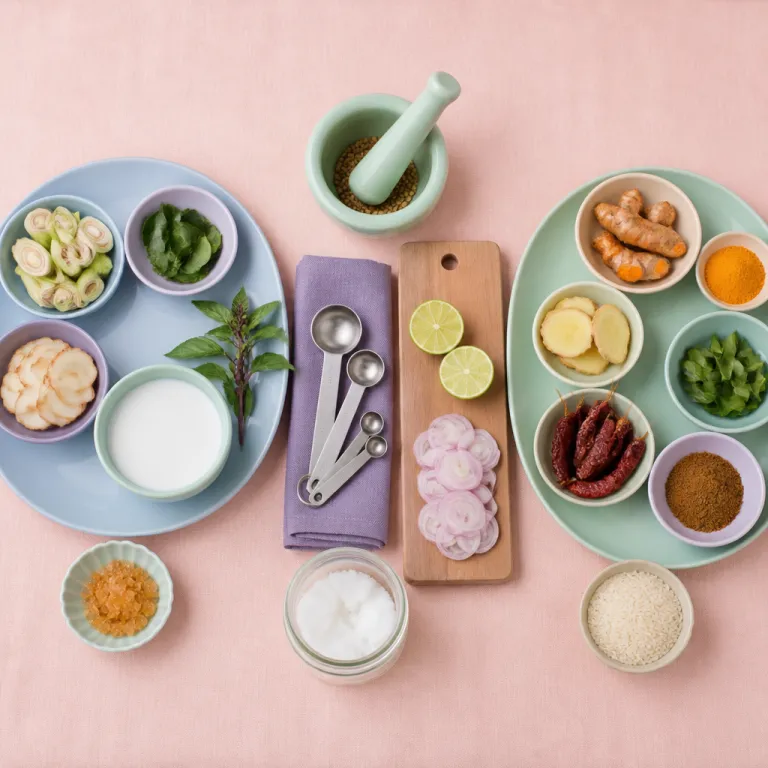
In Chiang Mai, specialist organisers design wellness cooking workshops where you move from organic farm rows to open air kitchens in a single morning. Hands on sessions with a local chef walk you through raw ingredients, from lemongrass to galangal, before you grind them into curry pastes that respect both flavour and evidence-based nutrition principles. These classes sit comfortably alongside yoga and meditation on multi day retreats, yet the organisers are clear that the stove time is not an optional extra.
Many couples pair these workshops with a wellness retreat in the hills, where sunrise yoga flows into late morning cooking and slow lunches. You might start with a gentle class led by a yoga teacher, then cycle to a nearby farm where people hand you baskets and invite you to pick what you will later transform. The rhythm feels family friendly yet quietly rigorous, and it shows why nearly 80 percent of travelers now rate food as important or very important when choosing a destination, according to multiple post-pandemic consumer surveys published between 2021 and 2023.2
Down in Bangkok, urban wellness kitchens are rewriting the idea of food wine pairing for mindful travelers. Instead of heavy tasting menus with endless wine flights, you find chef led counters where herbal infusions, low alcohol ferments and carefully chosen wine support light, plant based menus. Couples who once chased food wine excess now talk about how these experiences left them clear headed enough to walk the city’s sois in silence afterwards.
On the coasts, Thailand Phuket has become a testing ground for restorative cooking holidays that integrate the sea. Here, resorts and independent schools offer classes where you learn best cooking techniques for grilled fish, raw food salads and vegan raw twists on classic dishes, all while the Andaman hums in the background. Some programmes in Phuket and along the Thailand Vietnam corridor even weave in blue zones research, using it to frame why certain recipes and cooking methods support longevity.
For European couples used to food focused escapes in Greece Spain, this Thai approach feels both familiar and refreshingly uncompromising. You still enjoy long lunches, attentive service and thoughtful wine lists, but the emphasis shifts from indulgence to regeneration without losing pleasure. For readers curious about how climate and landscape shape mindful travel choices, our guide to cool climate wellness journeys in Scandinavia and Scotland offers a useful counterpoint to these tropical kitchens at this in depth coolcation wellness feature.
India’s spice temples: Ayurveda, attention and the teacher at your elbow
India approaches food-as-wellness travel through the lens of Ayurveda, where every spice carries a specific energetic and medicinal role. In Kerala, Ayurvedic cooking classes often begin not at the stove but at a consultation table, where a practitioner assesses your dosha before suggesting recipes. The result is a retreat where the menu is not just plant based, but personally calibrated.
Experienced Ayurvedic cooking teachers exemplify this bridge between tradition and modern wellness travel. Their sessions combine theoretical lessons on nutrition with hands on cooking, using traditional utensils and local, fresh ingredients to ground the practice. When a chef explains why a particular recipe cools pitta or supports vata, you feel the same precision you expect from a senior yoga teacher adjusting your posture.
Across retreats India wide, from Kerala backwaters to Rajasthan’s desert forts, the teacher student relationship defines the experience more than any spa amenity. You stand shoulder to shoulder with a food chef who has cooked the same recipes for decades, learning when to add curry leaves by sound rather than by timer. That intimacy is why many travelers describe these sessions as transformative, even when the kitchens are small and the tools basic.
In Rajasthan, spice medicine becomes a daily practice as you toast cumin, coriander and fennel for digestion focused recipes. Couples who arrive for a standard wellness retreat quickly realise that the most potent yoga happens over the pan, where attention to breath and heat must stay unbroken. Immersive culinary journeys in these regions turn every dhal and sabzi into a moving meditation, one that follows you home more reliably than any retreat high.
India’s major cities add another layer, with contemporary cooking schools and retreats that weave in global influences from Tokyo to Costa Rica without losing Ayurvedic roots. You might attend a workshop that pairs Indian raw food techniques with vegan raw desserts, or a plant based thali class that references blue zones research while staying rooted in local cuisine. These programmes often attract people who have already explored mindful journeys in places like Sri Lanka, and our detailed piece on a serene island itinerary offers useful context at this mindful Sri Lanka travel guide.
For couples, the romance lies less in candlelit dinners and more in the shared discipline of chopping, stirring and tasting together. You leave with recipes, of course, but more importantly with a new way of reading your own body through the spices in your pan. That is the quiet power of retreats India wide when they treat cooking not as entertainment, but as a lineage practice.
What you bring home: redesigning your kitchen as a daily retreat
The real test of any food-centered wellness journey in Thailand or India is what happens in your own kitchen three months later. If the only souvenir is a printed recipe booklet, the retreat has failed its deeper brief. When the practice lands, your stove becomes the place you return to when life frays.
Travelers who have cooked in Thailand and India often report that their home routines shift in small but decisive ways. They start keeping raw ingredients like fresh herbs, whole spices and seasonal vegetables within easy reach, making healthy eating the default rather than the exception. Many quietly reduce their reliance on ultra processed foods without ever using the language of restriction or sugar free rules.
One couple I spoke with now treats Sunday evenings as a mini wellness retreat at home. They roll out their mats for a short yoga session, then move straight into cooking a shared meal inspired by Chiang Mai farms or Kerala backwaters. Phones stay in another room, and the kitchen becomes a family friendly zone where children learn to love food through participation rather than persuasion.
Practical habits from the road translate surprisingly well. Measuring spices in your palm instead of with spoons, tasting at every stage, and pausing to breathe before adjusting the flame all echo the attention you practiced with teachers in Thailand and retreats India wide. Over time, these micro rituals do more for stress regulation than any occasional spa weekend, because they are woven into the fabric of daily life.
There is also a relational shift that matters for couples who travel for wellness. Cooking together after a trip to Thailand Phuket or Rajasthan becomes less about executing perfect recipes and more about reading each other’s energy, much like a partner yoga sequence. You learn when to step in as sous chef, when to pour a small glass of wine, and when to simply stand back and let the other person stir in silence.
For readers planning their next itinerary, the key is to choose programmes that prioritise teacher quality and hands on time over glossy marketing. Look for organisers and long-established Thai vegetarian cooking schools or similar teams who integrate nutrition education, cultural context and real kitchen practice rather than just offering staged photo moments. When you enquire by email address, ask directly how much time you will spend actually cooking, how many people are in each group, and whether recipes are adaptable to your home context in Europe, Asia or the Americas.
Practical planning: costs, durations and how to choose the right kitchen
Planning a food-led healing journey in Thailand or India as a couple requires the same discernment you would bring to choosing a serious yoga immersion. Short weekend workshops in Bangkok or Delhi typically run two to three days, with a mix of market visits, cooking sessions and shared meals. Week long retreats in Chiang Mai, Kerala or Thailand Vietnam coastal regions layer in yoga, meditation and cultural excursions, with prices rising accordingly.
As a rule of thumb, expect weekend programmes to focus on a handful of recipes and techniques, while longer immersions build a full repertoire you can realistically recreate at home. Many organisers now integrate evidence-based nutrition modules, where a nutritionist joins the chef to explain how traditional dishes align with contemporary health research. This mirrors initiatives such as the Wellness Decode style menus developed by major hospitality groups, where chefs and nutritionists co create dishes under a longevity theme.
To give one concrete example, a five night plant based cooking and yoga retreat in Chiang Mai might include daily morning yoga, two in depth cooking classes, a guided market tour and accommodation in a boutique guesthouse, with prices in the region of mid-range hotel stays in major European cities depending on season and room type. Similar itineraries in Kerala often add Ayurvedic consultations and spice garden visits, with dates clustered around the cooler, drier months from November to March.
When comparing options, pay close attention to group size and the balance between demonstration and participation. A class where 16 people watch a chef perform will not change your cooking the way a six person session will, where your hands stay on the knife and the ladle. Read reviews carefully, looking for comments about how much actual stove time guests received and whether the atmosphere felt genuinely friendly and supportive.
Couples with children should seek out explicitly family friendly programmes, especially in destinations such as Phuket, Chiang Mai or coastal Kerala. Some schools offer parallel activities where younger people learn simple recipes or raw food snacks while adults tackle more complex dishes. These formats turn the entire trip into a shared wellness retreat rather than a compromise between adult and child interests.
Budget wise, food-focused wellness travel in Thailand and India can be surprisingly accessible compared with long haul spa packages in Greece Spain or Costa Rica. Local day classes with respected instructors in Thailand or similar teachers in India often cost less than a single high end restaurant meal in Tokyo or London. At the other end of the spectrum, fully inclusive retreats India wide with accommodation, yoga, food wine pairings and cultural excursions can reach premium price points, but they also replace multiple separate holidays.
Whichever format you choose, treat the booking process as the first practice. Ask for sample recipes, clarify how plant based or omnivorous the menus are, and check whether vegan raw or raw food options are available if that matters to you. A thoughtful organiser will respond clearly, invite your questions and respect your preferences, signalling that they understand wellness as a relationship rather than a product.
Key figures shaping culinary wellness travel
- The global wellness tourism market reached approximately 720 billion USD in 2019, according to the Global Wellness Institute’s “Global Wellness Tourism Economy” report published that year, underscoring how wellness retreat and culinary travel now sit at the centre of premium tourism demand.3
- Nearly 80 percent of travelers report that food is important or very important when choosing a destination, a pattern highlighted across several industry surveys between 2019 and 2023, which helps explain the rapid growth of food-led wellness programmes that place cuisine at the heart of the itinerary.2
- Thailand’s MICHELIN Guide expansion to 441 establishments across 11 destinations in the 2023 edition reflects a nationwide investment in cuisine quality, creating fertile ground for chef led wellness cooking experiences from Bangkok to Phuket.1
- Wellness focused cooking classes in Thailand, India and the USA now run year round, with regularly scheduled sessions and special workshops during retreats, making it easier for couples to align travel dates with specific programmes.
- Many contemporary culinary wellness programmes integrate traditional recipes with modern nutritional science, pairing local chefs with nutrition experts to align dishes with healthy eating and longevity research.
References
- Global Wellness Institute – Global Wellness Tourism Economy report (2019 edition).3
- Tourism Authority of Thailand – official communications on wellness and gastronomy campaigns (2018–2023).
- MICHELIN Guide Thailand – listings and destination coverage for the 2023 guide.1
- International and national tourism surveys on food-motivated travel (2019–2023).2