Mindful winter things to do in South Lake Tahoe
Mindful ways to experience South Lake Tahoe in the winter
Planning mindful things to do in South Lake Tahoe in the winter starts with how you arrive and settle. The drive from San Francisco to the south shore usually takes around four hours in good conditions via I‑80 and US‑50, and it can already become a quiet transition if you pause at viewpoints such as Echo Summit or Inspiration Point above Emerald Bay and breathe with the changing landscape. In winter, US‑50 often requires chains or snow tires during storms, so checking Caltrans road reports before leaving and carrying approved traction devices keeps the journey calmer. As you reach South Lake and feel the air cool, let the first winter activity simply be standing by the water at El Dorado Beach or Lakeside Beach and watching the snow drift across the surface.
South Lake Tahoe receives around 300 inches of snow each winter, which means the landscape often feels hushed and deeply restorative. According to long‑term records from the National Weather Service’s Tahoe Basin climate summaries for the South Lake Tahoe Airport station (KTVL, 1981–2010 normals, accessed January 2024), average annual snowfall at higher elevations around the south shore typically ranges between 250 and 350 inches, creating consistent coverage for winter activities. Instead of rushing straight to a ski resort, walk a short section of the paved South Lake Tahoe Bike Path near Lakeview Commons and notice how the light moves across the mountain peaks and the calm lake. This path offers easy, mostly flat walking for one to three miles, with benches where you can pause and feel the cold air on your face. These early moments set the tone for all your winter activities, turning a busy holiday into a grounded retreat.
Mindful travel here means choosing fewer activities and savoring them more, whether you are drawn to skiing, ice skating, or gentle walks on forest trails. When you think about the many things to do in South Lake Tahoe in the winter, ask which experiences will genuinely nourish your body rather than simply fill your schedule. This simple question becomes your compass as you move between Heavenly Village, the lakefront, and nearby trailheads such as Van Sickle Bi‑State Park, where short paths lead quickly from the bustle of town into quiet pine forest. The Van Sickle Rim Trail Connector, for example, climbs gradually for about 1.2 miles with roughly 500 feet of elevation gain, giving you expansive lake views without committing to a full‑day hike.
Slow skiing at Heavenly Mountain Resort and beyond
Heavenly Mountain Resort is often the first name that comes to mind when people list things to do in South Lake Tahoe in the winter. The ski resort stretches across the California and Nevada border, and its Heavenly Gondola from Heavenly Village offers some of the best elevated views of Lake Tahoe you can find, with an observation deck partway up the line. Instead of racing to the steepest skiing terrain, consider starting your day with one slow lap from the Tamarack Express or Dipper Express chairlifts, pausing at each viewpoint to feel how the vast lake and white mountain slopes affect your breath.
Heavenly is one of three main ski resorts on the south shore, alongside Sierra‑at‑Tahoe and Kirkwood Mountain Resort, and each mountain offers a different rhythm for skiers who prefer a calmer pace. You might choose a quiet midweek morning for gentle skiing on wide blue runs such as Ridge Run or Maggie’s, or an afternoon focused on soft turns rather than speed and vertical metres. Booking lift tickets and rentals at least one to two weeks in advance for peak weekends, and a few days ahead for midweek visits, usually secures better pricing and shorter in‑person queues. When you pause for an après ski tea instead of a heavy drink at Tamarack Lodge or a café in Heavenly Village, you support recovery and keep your nervous system calm for the next winter activity.
For many travellers, a short, focused ski escape can be more restorative than a long, exhausting holiday, a pattern explored in this guide to the 48 hour recovery format for wellness stays. Apply the same principle at Heavenly Village by limiting yourself to a few intentional runs, then spending time in quiet corners of the village instead of constant shopping. Using the paid parking garages around Heavenly Village, the California Base Lodge shuttle, or the free winter ski shuttles from major lodging areas can simplify logistics and reduce driving stress on snowy days. When you treat skiing as moving meditation rather than performance, the mountain becomes a partner in your wellbeing rather than a challenge to conquer.
Gentle snow experiences: snowshoeing, cross country skiing, and forest trails
Not every mindful traveller wants the intensity of downhill ski days, and South Lake Tahoe supports that preference beautifully. The region offers extensive winter activities beyond the main ski resorts, including snowshoeing, cross country skiing, and peaceful walks on packed trails near the lake. These slower activities allow you to hear the snow under your feet and notice the scent of pine in the cold air.
Cross country routes and country skiing loops around South Lake often pass through quiet forest, where you can stop and listen to the silence between distant sounds from the village. Popular areas such as Camp Richardson, the Powerline Trail corridor off Ski Run Boulevard, and the groomed tracks at Kirkwood Cross Country Center provide options for different fitness levels. Camp Richardson’s winter trails typically offer one to five mile options with minimal elevation gain, while Powerline can be extended into longer out‑and‑back adventures. When you glide along these trails, you use more gentle, repetitive movements that are kinder to joints and nervous system than intense skiing on steep slopes. Many mindful travellers alternate one day of downhill skiing with one day of cross country or snowshoeing to keep their bodies balanced.
On the north side of the lake, areas around Tahoe City and North Lake also provide excellent cross country terrain, while Incline Village offers access to both groomed tracks and more rugged winter activity routes. Tahoe Cross‑Country Ski Area near Tahoe City and the Incline Village trail network both maintain signed loops with rental options nearby, and most trailheads include small parking lots that fill early on weekends. Arriving before 9 a.m. on Saturdays and Sundays usually makes parking easier and keeps your outing unhurried. If you are curious about how wellness tourism is evolving globally, the broader patterns are analysed in this detailed health and wellness tourism market report. Bringing that global perspective back to Lake Tahoe, you can see how choosing low impact winter activities supports both your health and the long term resilience of the mountain environment.
Ice, water, and breath: mindful moments on and around the lake
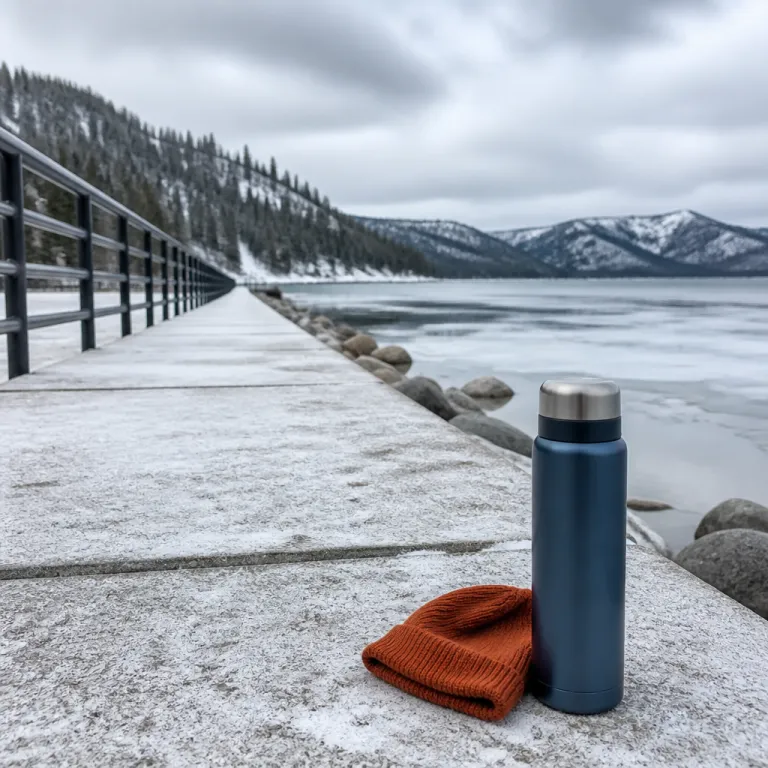
For many visitors, the most powerful things to do in South Lake Tahoe in the winter involve the lake itself rather than the ski slopes. Standing at the shoreline of Lake Tahoe on a clear winter morning, you can watch ice crystals form along the rocks while the deep blue water remains unfrozen. The air often smells faintly of cold stone and wet pine, and the only sounds might be distant ski lifts or the soft lap of waves. This contrast between solid ice and moving water offers a natural focus point for breathwork and simple meditation.
Heavenly Village Ice Rink in the heart of South Lake Tahoe turns ice skating into a gentle, rhythmic practice when approached with intention. Instead of chasing speed, you can glide slowly, synchronising your breath with each push and noticing how your balance shifts over the smooth ice. Renting skates on site and choosing an early evening session, before the music gets louder and the crowds build, often creates a more relaxed atmosphere. Families often find that mindful ice skating together creates shared memories without the stress that sometimes accompanies more intense winter activities.
When you step back from the rink and walk through the village, look for quiet corners where you can sit and take in the views of the surrounding mountain slopes. The contrast between the lively village and the stillness of the lake encourages you to choose where to place your attention. If you are interested in extending this water based mindfulness to other destinations, this guide to mindful marine encounters in Baja California Sur offers a thoughtful framework you can adapt back to Lake Tahoe.
Conscious adventure: snowmobiling, sledding, and family friendly play
Mindful travel does not mean avoiding adventure, and South Lake Tahoe offers several ways to engage with speed and excitement in a conscious way. Lake Tahoe Adventures operates guided snowmobile tours into the Sierra backcountry from trailheads near Meyers, where you can experience open snow fields and forested trails under expert supervision. By choosing a small group tour, wearing the provided safety gear, and agreeing on quiet moments during the ride, you can balance the thrill of movement with respect for the winter landscape.
Families often ask about the best winter activities for children who are not ready to ski, and sledding is usually at the top of the list. Designated sledding hills around South Lake and North Lake provide safe slopes where you can supervise easily and join the play yourself. Popular pay‑to‑sled areas near South Lake Tahoe generally include on‑site parking, tube rentals, and staff monitoring the runs, which keeps the experience simple and contained. Booking time slots or arriving early on weekends helps avoid long waits. When you treat sledding as shared laughter rather than a way to fill time between ski sessions, it becomes a meaningful winter activity that strengthens family bonds.
Local tourism boards summarise the region clearly when they answer common questions such as “What are the top winter activities in South Lake Tahoe? When is the best time to visit South Lake Tahoe in winter? Are there family-friendly winter activities in South Lake Tahoe?”. These answers consistently highlight skiing, snowboarding, ice skating, and snowmobiling between December and March, with sledding and tubing as key options for families. As you plan your own trip, use these trusted recommendations as a base, then refine them according to your energy levels and your personal definition of a great day in the snow. This approach works just as well for winter day trips to Lake Tahoe as it does for longer wellness‑focused stays.
North shore contrasts: Palisades Tahoe, Incline Village, and state park stillness
While this guide focuses on things to do in South Lake Tahoe in the winter, many mindful travellers like to balance their stay with a day on the north shore. Palisades Tahoe, one of the most renowned ski resorts in the region, offers expansive mountain terrain and dramatic views of the lake from higher elevations. If you visit from the south, treat the journey around the lake as part of the experience, allowing 60 to 90 minutes of driving in winter conditions and stopping at viewpoints where the views of the lake and surrounding peaks invite quiet reflection.
North Lake communities such as Tahoe City and Incline Village provide a different pace from the busier south shore, with smaller village centres and easy access to state park areas. Places like Sand Harbor State Park and Donner Memorial State Park often maintain winter trails suitable for snowshoeing, gentle hikes, and contemplative photography sessions where you focus on light, shadow, and the texture of snow. Short lakeside paths at Sand Harbor, for example, can be enjoyed in under an hour, while longer forest loops at Donner Memorial reward those who want a half‑day outing. When you move slowly through a state park in winter, you notice details that would be invisible during a fast ski descent.
After a day at Palisades Tahoe or another north shore ski resort, many visitors return to South Lake for a quieter evening rather than a loud après ski scene. This contrast between north and south, between intense skiing and soft lakeside walks, helps prevent sensory overload during a longer stay. By alternating these environments, you create a natural rhythm that supports deep rest while still enjoying a wide range of winter activities around Lake Tahoe.
Key winter wellness figures for South Lake Tahoe
- Average annual snowfall around South Lake Tahoe reaches approximately 300 inches, according to long‑term National Weather Service climate summaries for the Tahoe Basin and the South Lake Tahoe Airport station (KTVL, 1981–2010 normals, accessed January 2024), creating reliable snow cover for skiing, sledding, and other winter activities.
- The South Lake Tahoe area hosts three main ski resorts, as reported by the local tourism board and resort operators, which allows visitors to spread out across different mountains and avoid overcrowded slopes.
- Typical winter temperatures around South Lake Tahoe average close to 0 °C, based on National Weather Service data for South Lake Tahoe Airport (KTVL daily climate records, December–March, accessed January 2024), so dressing in layers is essential for staying warm during both active and contemplative time outdoors.
- The primary winter season in South Lake Tahoe usually runs from December through March, with peak winter activities in January and February, giving mindful travellers a broad window to plan less crowded midweek stays.
FAQ about mindful winter travel in South Lake Tahoe
What are the most restorative things to do in South Lake Tahoe in the winter ?
For a wellness focused stay, combine gentle skiing at Heavenly Mountain Resort with cross country routes, snowshoeing, and slow walks along the lake shore. Ice skating at Heavenly Village Ice Rink and quiet time in nearby state park areas also support recovery. Balancing active days with calm evenings helps your body integrate the benefits of the mountain environment.
When is the best time to visit South Lake Tahoe for mindful winter activities ?
The main winter season runs from December to March, with reliable snow cover and most services operating fully. For a quieter experience, choose midweek dates in January or early February rather than holiday periods. This timing gives you more space on the slopes, in the village, and along lakeside trails.
Are there family friendly winter activities that suit a slower pace ?
Yes, South Lake Tahoe offers family friendly sledding hills, gentle ice skating sessions, and beginner ski areas that welcome cautious learners. Many cross country centres provide short loops suitable for children, allowing families to share country skiing without pressure. Snow play near the lake and simple walks through forest trails can be just as memorable as full ski days.
How can I keep my winter trip to Lake Tahoe aligned with wellness goals ?
Start by limiting the number of intense ski days and mixing in lower impact activities such as snowshoeing, cross country skiing, and lakeside walks. Choose nourishing food, hydrate well in the dry mountain air, and prioritise sleep over late night après ski. Booking shorter, more intentional stays can also prevent burnout and keep the journey aligned with your wellbeing.
Is it possible to enjoy South Lake Tahoe in the winter without skiing ?
Absolutely, many visitors focus on ice skating, sledding, snowmobiling with Lake Tahoe Adventures, and contemplative time by the lake instead of skiing. The combination of mountain views, crisp air, and quiet forest trails offers plenty of depth for a non skiing retreat. With thoughtful planning, your winter activity list can be rich and restorative without ever stepping into ski boots.