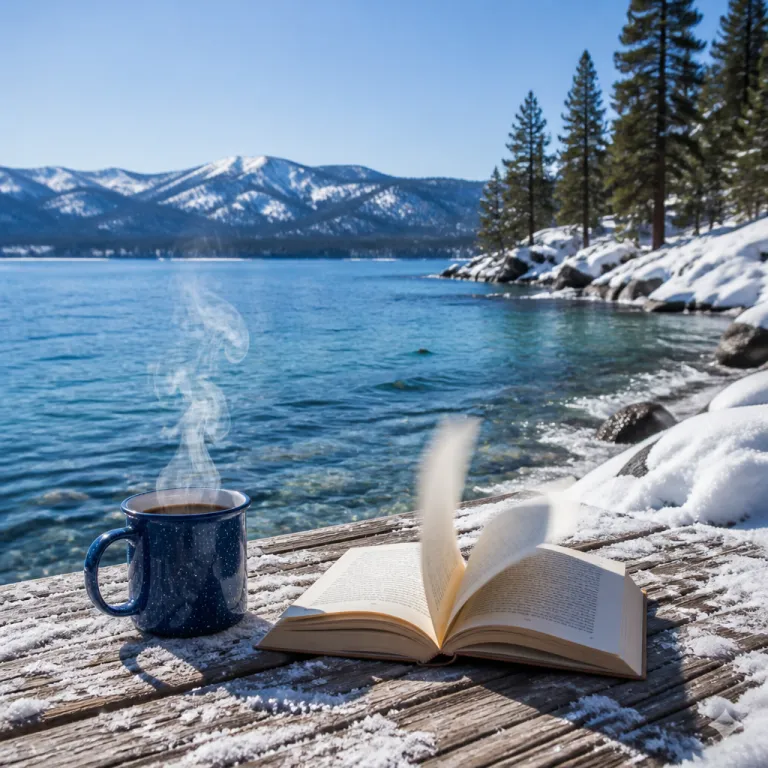
Mindful planning for a restorative Lake Tahoe winter trip
Thoughtful planning shapes how you experience the many winter activities in Lake Tahoe. When you arrive with clear intentions, even simple moments in the snow feel like rituals that reconnect you with your body and the mountain landscape. Begin by asking what you truly need from this Tahoe winter escape, whether it is deep rest, gentle movement, or quiet time by the lake.
Lake Tahoe stretches across California and Nevada, with areas such as South Lake Tahoe offering a livelier city atmosphere and North Lake Tahoe feeling more secluded and contemplative. Both the north shore and Tahoe City provide easy access to snow-covered trails, cross-country skiing loops, and serene bays where the water mirrors the surrounding mountain peaks. Decide whether you want the energy of a ski resort hub or the stillness of forested coves before you book.
Average winter temperatures hover around 0 °C (32 °F), and the region receives roughly 10 m (about 400 inches) of snow each season according to regional ski area reports, so layering is essential for comfort. Pack breathable base layers, a warm mid layer, and a windproof outer shell so you can stay present instead of distracted by cold or damp clothing. Reserve equipment rental for skiing, snowboarding, or cross-country gear in advance, which reduces stress and leaves more space for slow mornings and unhurried evenings.
Wellness focused choices before you arrive
Check road and weather conditions before driving toward the lake, because calm travel respects both your nervous system and the mountain environment. The California Department of Transportation and Nevada Department of Transportation publish chain requirements and closure updates, so review these before heading over high passes. High altitude can dehydrate you quickly, so drink water regularly during your winter trip and keep herbal tea in your daypack for warming pauses in the snow. Booking lodging near the winter activities you value most, whether that is ice skating, sledding, or quiet lakeside walks, helps you move mostly on foot and keeps your days simple.
For travelers sensitive to crowds, consider midweek dates when ski resort lift lines and Heavenly Village streets feel calmer. If you are drawn to silence, choose accommodation closer to North Lake Tahoe forests or the edges of Tahoe City rather than the busiest parts of South Lake Tahoe. Those who enjoy a gentle social buzz might prefer staying near Heavenly Village, where cafés, yoga-friendly spaces, and relaxed après-ski lounges cluster around the gondola base.
Before you go, assemble a compact wellness and logistics checklist: a small kit with magnesium, a reusable water bottle, a sleep mask, and earplugs; printed or downloaded trail maps from local visitor centers; confirmation numbers for any shuttle services between ski resorts and lodging; and a note to increase hydration and rest during your first days at elevation. Many reflective travelers also bring a journal to capture impressions of the lake, the mountain light, and the subtle shifts they notice in their mood during Tahoe winter days. These simple preparations turn a list of activities lake visitors usually rush through into a slower, more intentional journey.
Slow skiing and snowboarding as moving meditation
On most lists of winter things to do around Lake Tahoe, skiing and snowboarding appear first, yet few travelers approach them as contemplative practices. When you treat time on the slopes as moving meditation, every turn on the mountain becomes a chance to synchronize breath, body, and snow. Choose terrain that matches your energy rather than your ego, and you will feel more restored at the end of the day.
Heavenly Mountain Resort on the south side of the lake offers sweeping views over South Lake Tahoe and the distant bay, with long runs that invite a steady, rhythmic pace. Palisades Tahoe near the north shore is known for its varied terrain, where you can alternate between gentle slopes for mindful carving and more challenging lines when your body feels strong. Northstar California adds tree-lined runs and a village atmosphere that suits travelers who like a cozy base. All three ski resort areas provide lessons, so beginners can learn safe technique that supports relaxed confidence instead of tension.
Many visitors ask, “What are the best ski resorts in Lake Tahoe?” and the verified answer is clear: “Heavenly Mountain Resort, Palisades Tahoe, and Northstar California.” Use this guidance to plan which mountain to visit on which day, aligning each ski day with your desired mood. For example, you might choose Heavenly for expansive lake views, Palisades Tahoe for a full-body challenge, and another ski resort with quieter slopes when you crave calm. Full-day lift tickets at major resorts often range from about $150 to $250 depending on date and purchase timing, so booking online in advance can support both your budget and your planning.
Creating mindful rituals on the slopes
Begin each ski morning with a short grounding practice before you step into the snow and ice outside your lodge. Stand facing the mountain, feel your feet on the ground, and take five slow breaths while you notice the temperature, the light, and the sound of wind across the lake. This simple ritual helps you arrive fully before you click into your ski bindings or strap on your snowboard.
On the lifts, resist the urge to scroll your phone and instead scan the surrounding mountain ridges, the forested south slopes, and the distant north shore. Notice how the snow clings differently to trees at various elevations, and how the city below feels far away from this high, quiet space. Between runs, pause for warm tea or broth rather than rushing straight into more skiing, which keeps your nervous system balanced and your energy steady.
When the day ends, choose a gentle après-ski routine that supports recovery rather than overstimulation. Stretch in your room, soak your feet, and prioritize high-quality sleep, which research increasingly links to emotional resilience and travel wellbeing, a topic explored in depth in this guide to how the wellness industry’s focus on sleep is reshaping where we travel. By treating skiing and snowboarding as mindful practices instead of a race for vertical metres, you transform classic winter activities into powerful tools for inner calm.
Cross country serenity, snowshoeing, and quiet trails
For many wellness-oriented travelers, the most nourishing winter experiences in Lake Tahoe happen away from chairlifts and crowds. Cross-country skiing and snowshoeing along forested trails invite a slower rhythm, where the only sounds are your breath, your skis, and the soft crunch of snow. These forms of Nordic skiing are ideal for people who want cardiovascular movement without the intensity of steep downhill runs.
Hope Valley Outdoors, located south of the main lake basin, offers groomed cross-country routes and snowshoe paths that wind through meadows and mountain forests. Their staff can guide you toward trails that match your fitness level, whether you prefer a short loop or a longer journey that fills most of your winter trip day. Because cross-country skiing uses both upper and lower body, it provides a full-body workout that still feels meditative when you keep your pace gentle.
Many visitors wonder, “Are there beginner-friendly slopes in Lake Tahoe?” and the factual answer is: “Yes, many resorts offer beginner slopes and lessons.” The same spirit applies to cross-country terrain, where wide, mellow tracks allow newcomers to learn balance without fear. Renting Nordic equipment from a local shop near Tahoe City or South Lake Tahoe keeps your pack light and gives you access to well-maintained gear.
Mindful pacing on winter trails
When you step onto snow-covered trails, set an intention for how you want to feel rather than how far you want to go. Perhaps you choose to focus on gratitude for your body, or on listening closely to the subtle sounds of the forest and the distant lake. This shift from distance to presence turns ordinary winter outings into contemplative practices.
Use a relaxed pace that allows you to breathe through your nose and hold a conversation, which keeps your nervous system in a restorative zone. Pause often to notice the way light filters through trees, the shapes of ice crystals on branches, and the quiet bays where the lake meets the snow. If you are curious about expanding your wellness toolkit beyond movement, consider planning future journeys around modalities such as breathwork, cold exposure, or sound baths, as outlined in this field guide to wellness modalities worth traveling for.
On the return leg of your route, reflect on what felt nourishing and what felt draining, then adjust the next day’s plan accordingly. Maybe you realize that shorter cross-country loops with time for journaling by the lake suit you better than long, demanding tours. This kind of honest self-assessment is at the heart of mindful travel and ensures that the activities lake visitors usually treat as checklists become deeply personal rituals.
Ice, water, and the calming power of Emerald Bay
Water holds a special place in wellness travel, and Lake Tahoe in winter is no exception. The contrast between frozen ice along the shore, deep blue water in the centre, and white snow on the surrounding peaks creates a natural winter wonderland for contemplation. Among all the seasonal things to do around the lake, a quiet visit to Emerald Bay stands out for its meditative beauty.
Emerald Bay on the southwest side of the lake forms a sheltered inlet where steep mountain walls rise directly from the water. In winter, the bay often wears a fringe of ice near the shoreline, while the central channel remains a rich, dark blue that reflects the sky. Walking along viewpoints above Emerald Bay at sunrise or late afternoon allows you to watch subtle shifts in colour and light that calm the mind.
Because roads can be snowy or icy, always check conditions before driving toward this part of South Lake Tahoe, and carry chains when required. Parking at popular viewpoints can be limited, especially on weekends, so arrive early or be prepared to walk a short distance from roadside pullouts where permitted. Dress warmly and move slowly along any snowy paths, using trekking poles if you feel unsteady on ice patches. These simple precautions keep your nervous system relaxed so you can fully absorb the stillness of the bay and the surrounding country.
Hydrotherapy inspired rituals around the lake
Even if you do not enter the cold water, you can borrow principles from hydrotherapy to deepen your connection with the lake. Alternate between short periods outside in the crisp air and warm indoor spaces, mirroring the contrast of hot and cold that supports circulation and mental clarity. Sip warm herbal infusions while gazing at the water, letting your attention rest on the slow movement of waves against snow-lined shores.
Some mindful travelers like to pair a winter trip to Lake Tahoe with future journeys focused on thermal bathing traditions, such as Japanese onsen or Icelandic geothermal pools, which are explored in this guide to thermal bathing around the world. Reflecting on how different cultures use water for healing can enrich the way you relate to the lake in front of you. Even a simple practice of placing your hands briefly in cold water, then wrapping them in a warm scarf, can become a grounding ritual.
As you move between viewpoints, notice how the city energy of South Lake Tahoe feels distant from the quiet of Emerald Bay. This contrast reminds you that you can choose between stimulation and stillness on any given day of your Tahoe winter stay. By honouring both, you create a balanced itinerary that supports emotional regulation and deep rest.
Playful snow activities with a mindful twist
Wellness travel does not exclude play; in fact, lighthearted fun often releases tension more effectively than strict routines. Many classic winter pastimes in Lake Tahoe, such as sledding, tubing, and ice skating, can be reframed as joyful movement rather than adrenaline chasing. When you bring curiosity and presence to these activities, they become powerful tools for reconnecting with your inner child.
Designated sledding hills around South Lake Tahoe and North Lake Tahoe provide safe spaces for families and solo travelers alike to glide down snowy slopes. Choose a hill with clear runouts and avoid improvised spots near roads or trees, which keeps the experience carefree and reduces risk. Between runs, pause to feel your heart rate, notice your breath, and savour the simple pleasure of sliding on snow.
Ice skating rinks in South Lake Tahoe and Tahoe City offer another way to move gracefully across ice while staying close to cafés and warm indoor spaces. Skating slowly in circles, matching your breath to each glide, can feel like a moving meditation even in a lively rink. Renting skates from an equipment rental shop on site keeps your load light and encourages spontaneous sessions whenever the mood strikes.
Balancing stimulation and rest in a winter wonderland
After playful winter activities, schedule deliberate downtime so your nervous system can integrate the stimulation. This might mean returning to your room for a hot shower, gentle stretching, and a quiet hour of reading while snow falls outside. By alternating activity and rest, you prevent the kind of exhaustion that often follows busy winter holidays.
Families can create simple rituals such as sharing one highlight and one challenge from the day’s sledding or ice skating before dinner. Solo travelers might journal about how it felt to move freely on snow, or to laugh out loud after a tumble on the ice. These reflections help transform fleeting fun into lasting memories and insights about what truly nourishes you.
As evening settles over the lake, step outside briefly to feel the temperature drop and listen to the muffled quiet that snow brings to the city. Notice how the mountain silhouettes darken against the sky and how lights from South Lake Tahoe or Tahoe City shimmer on the water. Holding these small sensory details in awareness is one of the simplest, most profound practices lake visitors can embrace for their mental wellbeing.
Apres ski, nourishment, and sleep as core wellness practices
What you do after the slopes or trails matters as much as the daytime adventures in Lake Tahoe’s winter season. Thoughtful après-ski rituals, nourishing food, and high-quality sleep turn physical exertion into genuine restoration. Without them, even the most beautiful Tahoe winter landscape can leave you feeling depleted rather than renewed.
In Heavenly Village at South Lake Tahoe, you will find cafés and restaurants where you can choose warming, nutrient-dense meals instead of only heavy, fried options. Look for soups, roasted vegetables, and lean proteins that replenish energy without overwhelming digestion. Sip water or herbal tea between any alcoholic drinks, since altitude and dry air can intensify dehydration and fatigue.
Some travelers enjoy a brief walk through Heavenly Village after dinner, letting the city lights, snow-covered roofs, and distant mountain outlines signal the transition from activity to rest. Keep your pace slow and your phone tucked away, using the stroll as a final grounding practice. When you return to your room, dim lights, reduce screen time, and create a simple pre-sleep ritual that you repeat each night of your winter trip.
Designing a restorative evening routine
Begin your evening by stretching the major muscle groups you used during skiing, snowboarding, cross-country touring, or sledding. Hold each stretch for several breaths, paying attention to sensations rather than pushing for intensity. This mindful approach reduces soreness and invites a sense of closure to the day’s winter activities.
Next, take a few minutes to note three things you appreciated about the lake, the snow, or the mountain air that day. Perhaps it was the way ice crystals sparkled on a trail, the kindness of a ski resort staff member, or the quiet of North Lake Tahoe at dusk. Gratitude practices like this have been linked in research to improved sleep quality and emotional balance, both essential for meaningful travel.
Finally, set an intention for the next day that balances ambition with care, such as “I will choose trails that feel kind to my knees” or “I will pause to breathe before each run.” By aligning your plans with your body’s needs, you ensure that the many experiences Lake Tahoe offers in winter support long-term wellbeing rather than short-term thrills. Over time, this way of traveling can reshape not only how you move through Tahoe but how you approach every journey.
Practical wellness tips for mindful winter logistics
Mindful travel in Lake Tahoe also depends on practical logistics that keep you safe, warm, and relaxed. When you handle details such as transport, equipment rental, and timing with care, you free mental space for the deeper experiences you seek. Think of these logistics as the quiet structure that supports your more poetic moments by the lake and on the mountain.
Before driving toward South Lake Tahoe, North Lake Tahoe, or Tahoe City, check road conditions through official transport channels and local tourism boards. Snowstorms can arrive quickly in this mountain country, affecting visibility and traction, so carrying chains and allowing extra time is a wise act of self-compassion. If driving feels stressful, consider staying closer to one main hub, such as Heavenly Village or a central ski resort, and using shuttles when available. Many larger ski areas run free or low-cost shuttle services from nearby lodging and park-and-ride lots, which can reduce parking stress on busy days.
Renting gear locally for skiing, snowboarding, cross-country touring, or ice skating reduces luggage weight and supports the regional economy. Many visitors ask, “Can I rent snow equipment in Lake Tahoe?” and the factual answer is: “Yes, numerous rental shops provide equipment for various winter activities.” Booking equipment in advance ensures you receive the right sizes and styles, which makes your time on snow more comfortable and mindful.
Safety, altitude, and energy management
Altitude around Lake Tahoe can affect sleep, hydration, and energy, especially during the first two days of your winter trip. Drink more water than usual, limit alcohol, and consider lighter activities such as lakeside walks or gentle sledding until your body adjusts. This patient approach allows you to enjoy more demanding skiing and snowboarding sessions later without overwhelming your system.
Carry a small daypack with water, snacks, an extra layer, and simple safety items whenever you head into the snow. Even on marked trails near a ski resort or city edge, weather can shift quickly, and having essentials on hand keeps minor challenges from becoming crises. Share your plans with a travel companion or lodge staff, especially if you venture onto quieter cross-country routes away from South Lake Tahoe or North Lake Tahoe hubs.
Finally, remember that mindful travel means listening when your body or intuition says “enough” for the day. It is perfectly valid to trade one more run at Heavenly or Palisades Tahoe for an early night, a warm bath, or quiet time watching snow fall over the lake. In doing so, you honour the deeper purpose behind seeking wellness-focused winter experiences in Lake Tahoe.
Key wellness and winter figures for Lake Tahoe
- Lake Tahoe receives about 400 inches of annual snowfall according to regional tourism and ski area reports, creating reliable snow coverage for skiing, snowboarding, and other winter activities across multiple months.
- The region hosts around 15 ski resorts as reported by local visitor authorities, giving mindful travelers a wide choice between lively hubs and quieter mountains that better suit restorative trips.
- Average winter temperatures sit near 32 degrees Fahrenheit (0 degrees Celsius) based on National Weather Service data, which makes layered clothing essential for staying comfortable and present during outdoor activities.
- Winter season typically spans from December through March, with peak snowfall in January and popular spring skiing conditions in March, allowing travelers to choose between deep winter ambiance and softer late-season snow.
- Growing interest in snowshoeing and family-friendly snow parks has been noted by regional tourism bodies, reflecting a shift toward inclusive, lower-impact winter activities that align well with wellness and mindful travel values.
FAQ about mindful winter travel in Lake Tahoe
What are the best ski areas in Lake Tahoe for a wellness focused trip ?
Heavenly Mountain Resort, Palisades Tahoe, and Northstar California are widely regarded as top choices, each offering varied terrain and amenities. For a wellness-oriented stay, choose quieter midweek days, book lessons if you are new to skiing or snowboarding, and stay near the slopes to reduce commuting stress. Pair ski days with rest days that include gentle walks by the lake or light cross-country outings.
Are there beginner friendly options for skiing and snowboarding ?
Yes, many Lake Tahoe resorts maintain dedicated beginner zones with gentle slopes, magic carpets, and group or private lessons. These areas allow new skiers and riders to build confidence gradually while staying close to lodges and warm indoor spaces. Choosing beginner terrain and professional instruction supports both safety and a calm, enjoyable learning experience.
Can I rent winter sports equipment locally ?
Numerous shops around South Lake Tahoe, north shore communities, and Tahoe City provide equipment rental for skis, snowboards, cross-country gear, snowshoes, and ice skates. Reserving in advance is recommended during peak periods to secure appropriate sizes and preferred models. Local rental teams can also advise on suitable equipment for your skill level and planned activities.
How can I stay safe and comfortable in Lake Tahoe’s winter conditions ?
Dress in moisture-wicking layers, wear waterproof outerwear, and protect extremities with gloves, warm socks, and a hat. Check weather and road reports daily, carry chains if driving, and keep water and snacks with you during outdoor activities. Listen to early signs of fatigue or altitude effects and adjust your plans toward gentler activities or rest when needed.
What non skiing activities suit mindful travelers in Lake Tahoe ?
Mindful visitors often enjoy cross-country skiing, snowshoeing, ice skating, sledding, and contemplative walks along the lake or Emerald Bay viewpoints. These activities allow for slower pacing, easier conversation, and more time to notice subtle details in the landscape. Pair them with journaling, simple stretching, and early nights to create a deeply restorative winter retreat.