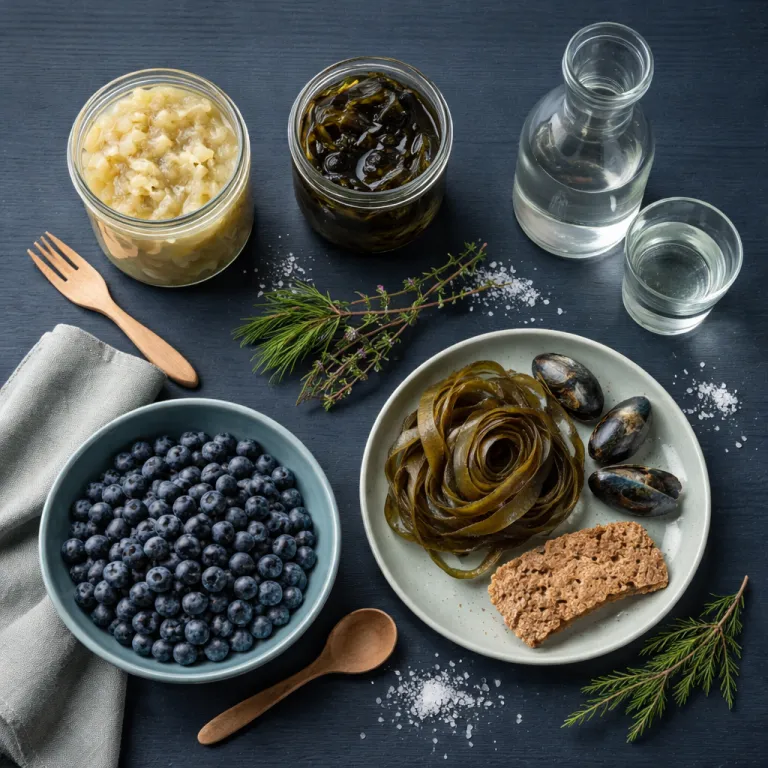
The Nordic wellness table: scarcity, seasonality, and the edible country
Wellness gastronomy in Scandinavia and its foraging culture begins with a simple idea. Seasonal scarcity is treated as a design principle for food, not a problem to be solved with imports, and that shift changes how people in the Nordic countries eat, move, and travel. When you plan a journey around this kind of Nordic food and nature trail, you are really planning long, quiet stretches of time outdoors punctuated by meals that feel like medicine and memory at once.
Across Sweden, Norway, and Denmark, chefs talk less about trends and more about the forest, the shoreline, and the wind. They cook as if every plate must hold a precise connection with nature, whether that means pickled wild berries on rye or slow fermented root vegetables that saw little sun. This is where the concept of the Edible Country comes alive, with Swedish and Norwegian cooks treating the land itself as a pantry and wellness studio, and wellness-focused foraging experiences as a way to teach travelers how to read that landscape.
On this trail, you move from Michelin-starred dining rooms to open-air fire pits without changing the underlying philosophy. The same mushrooms gathered in a mossy forest outside Åre might appear as golden chanterelles on a tasting menu, or folded into simple recipes taught during a farm stay workshop. As one Stockholm-based chef told a regional tourism survey in 2022, “the point is not luxury for its own sake, but to eat well enough that fasting, feasting, and foraging form a single, coherent practice of care.”
Fermentation as daily gut practice, not restaurant trend
Fermentation in Scandinavia is not a wellness fad; it is a preservation strategy that became a gut health ritual long before anyone named probiotics. When Nordic food and foraging itineraries highlight fermentation workshops, they are really inviting you into a domestic craft that kept Swedish and Norwegian families nourished through long winters. As one local expert explains without embellishment, “Yes, it promotes gut health and preserves food.”
On the ground, that means crock jars of cabbage in rural Sweden, sour rye breads in coastal Norway, and quietly bubbling kombucha in urban kitchens from Stockholm to Oslo. Retreats and farm stays now build structured programmes around these practices, offering guided sessions where people learn to salt, pack, and wait, then share recipes that pair fermented vegetables with wild berries or grilled mushrooms. Nordic food research from universities in Umeå and Tromsø has documented this return to traditional preservation, noting that more than a third of surveyed households report making at least one fermented product at home each year.
Organizers such as Explore Åre, Explore Sälen, and Visit Dalarna have started weaving fermentation into their gastronomy walks, alongside foraging and mindful movement. Their events sit at the intersection of culinary tourism and health, reflecting broader Nordic food trends that show a sharp rise in fermentation workshops in recent years. If you are curious about chef-led wellness elsewhere, the analysis of culinary wellness retreats in when the chef is the healer offers a useful counterpoint to this quieter Nordic approach.
Foraging in Sweden and Norway: from forest floor to fire
Foraging, defined simply as “collecting wild food resources from nature,” sits at the heart of many wellness-oriented journeys in Scandinavia. In the Nordic countries, surveys suggest that a significant share of residents engage in some form of berry or mushroom picking each year, which means you are stepping into a living culture rather than a staged activity. The right guide will slow you down until the forest becomes legible, and suddenly the ground is full of mushrooms, herbs, and berries you had never really seen before.
In Swedish Lapland, food educator Eva Gunnare leads walks that feel like moving meditations, where people taste wild berries straight from low shrubs and learn which mushrooms are truly safe to eat and which are not. Her work embodies the Swedish principle of public access, often translated as the freedom to roam, which allows respectful walkers to cross private land and gather small amounts of wild food. The unspoken rule is clear and often repeated in different forms: do not destroy, do not disturb, and above all, remember the delicate balance that keeps this edible country thriving.
Across the border in Norway, especially in the Arctic north, foraging days often end with open-air cooking under skies that sometimes flare with northern lights. Sami guides may share stories of reindeer migrations while you clean golden chanterelles, then show how to fold them into simple recipes cooked over a fire. For couples combining Nordic wellness gastronomy with romance, this intimacy with land and flame can feel as meaningful as any ceremony in San Miguel de Allende, where mindful celebrations are explored in depth in this guide to wellness focused weddings.
Fasting, slow travel, and the rhythm of time in nature
Many Scandinavian wellness stays now integrate structured fasting into their programmes, but the tone is gentler than in more clinical retreats. Instead of aggressive detox language, you hear about rest for the digestive system and time in nature as the real intervention. The best Nordic food and foraging itineraries treat fasting days as opportunities to walk, breathe, and sit quietly in the forest rather than to chase dramatic results.
On a typical schedule, you might alternate light fasting windows with broths made from local vegetables, seaweed, or bones, followed by evenings of simple food cooked in open-air kitchens. Some Norwegian lodges pair these cycles with guided foraging, so that even on reduced intake days you still handle wild ingredients, clean mushrooms, or sort wild berries for later recipes. This tactile work keeps people connected to the edible country around them, reinforcing the idea that fasting is part of a broader relationship with food, not a punishment.
Couples who travel this way often report that the real shift comes from slowing down enough to notice small things: the sound of a knife on a wooden board, the smell of golden chanterelles drying near a stove, the way a photo of a shared meal can hold more memory than a souvenir. Nordic tourism boards now highlight this slower rhythm in their wellness campaigns, noting that visitors who build in unscheduled hours outdoors tend to rate their trips as more restorative than those who rush between attractions. If you are curious about how mindful drinking fits into this rhythm, the piece on Mexican beverages for wellness oriented travelers at this mindful guide to drinks offers a useful framework you can adapt to Nordic ciders and low alcohol ferments.
Designing a wellness gastronomy road trip across the Nordic countries
To turn a Scandinavian wellness food journey into an actual itinerary, think in segments rather than a single grand tour. Start in central Sweden with Explore Åre or Explore Sälen, where gastronomy walks combine guided foraging, fermentation demonstrations, and tastings of local food. These walks are suitable for beginners, and organizers provide foraging baskets, educational materials, and clear safety guidance so that people feel confident identifying edible mushrooms and other wild ingredients.
From there, a slow road north toward Swedish Lapland lets you experience the full range of landscapes that feed this edible country. Plan short road trips of three to four hours between stops, leaving space for detours to lakes, small farms, and Sami cultural centers where traditional recipes often feature wild berries and game. The principle of public access means you can pause almost anywhere for a picnic, but the same ethic applies: do not destroy fragile plants, do not disturb nesting birds, and respect other visitors seeking quiet.
As a sample outline, a three day wellness gastronomy loop might include a half day foraging and fermentation walk (often priced in the mid range of local activities), a self guided picnic using ingredients you helped gather, and an evening sauna followed by a simple seasonal dinner. Crossing into Norway, continue along the coast or up toward the Arctic Circle, where Norwegian fishing villages and small lodges serve seafood that feels like a natural extension of the forest-based meals you had further south. Here, Nordic wellness gastronomy shifts toward seaweed, shellfish, and coastal herbs, but the connection with nature remains the through line. To keep inspiration flowing between trips, follow social channels of local guides and chefs rather than generic tourism feeds, as their photos and stories tend to highlight the real work behind each plate.
Practical ethics: how to forage, feast, and photograph responsibly
Ethical practice is non negotiable on any Scandinavian food and foraging journey, because the forest is both pantry and home for countless species. Before you pick a single berry, learn the local guidelines on public access and the freedom to roam, which usually allow small scale gathering for personal use. The spirit is simple: take what you need, leave what you do not, and always remember the quiet rules of not destroying or disturbing the fragile systems that make this abundance possible.
When it comes to mushrooms, never rely solely on an app or a photo in a guidebook, no matter how clear it seems. Join walks with qualified leaders, such as those organized by Visit Dalarna or regional nature associations, who can show you which species are truly safe to eat and which should be left untouched. Many of these guides now share recipes that highlight golden chanterelles, porcini, and other wild species in simple preparations, reinforcing the idea that eating well does not require complicated techniques.
Photography on the trail deserves the same care as foraging, especially in Swedish Lapland and Arctic Norway where northern lights and dramatic landscapes tempt people off marked paths. Stay on established tracks when chasing the perfect photo, and resist the urge to trample moss or fragile lichen for a better angle on your plate of food. Responsible travelers understand that the most award winning experiences here are not always Michelin-starred meals, but the quiet, open-air dinners where your connection with nature feels intact long after the camera is back in your pocket.
Key figures shaping Nordic wellness gastronomy
- Regional surveys indicate that a substantial proportion of residents in the Nordic countries engage in some form of foraging each year, with several national studies reporting participation rates of between 40 and 70 percent for berry picking alone, which means visitors join an existing culture rather than a niche hobby.
- Food education providers across Scandinavia report a marked increase in fermentation workshops since the early part of this decade, with some regional adult education centres noting that enrolments in fermentation classes have more than doubled compared with pre-2020 levels, reflecting a shift from restaurant trend to everyday gut health practice.
- Global culinary tourism research consistently shows that a large majority of travelers rate food as important or very important when choosing a destination, with some international surveys placing this figure above 80 percent, aligning closely with the Nordic focus on meals as a core reason to travel.
- Travel industry data suggests that many tourists now allocate a significant share of their total travel budget to food and beverages, often between one fifth and one third of total spend, which supports the growth of chef-led walks, farm stays, and foraging-based experiences in Sweden and Norway.
- Wellness and sustainability reports highlight a rise in plant-based diets and renewed interest in traditional food preservation across Scandinavia, both of which underpin the popularity of fermentation, fasting, and foraging on this trail.
FAQ about wellness gastronomy and foraging in Scandinavia
What is foraging in the Scandinavian context ?
In Scandinavia, foraging means collecting wild food resources from nature, usually in forests, meadows, and along coastlines. Thanks to public access laws and the freedom to roam, individuals may gather limited amounts of berries, mushrooms, and herbs for personal use. The practice is widely understood, with clear norms about safety and respect for ecosystems.
Is fermentation actually healthy or just a trend ?
Fermentation has long been used in Sweden and Norway to preserve food through harsh winters, and modern research supports its benefits for gut health. As one expert summary puts it plainly, “Yes, it promotes gut health and preserves food.” On Nordic wellness food and foraging trails, you will often taste and learn to prepare fermented vegetables, dairy, and grains as part of daily meals.
Are wellness gastronomy trails suitable for beginners ?
These trails are designed to be accessible for people with varying levels of experience in foraging, fasting, and fermentation. Organizers provide guidance, equipment such as baskets and basic tools, and clear explanations of what is safe to pick and eat. Many walks move at a gentle pace, making them suitable for couples seeking a restorative, not competitive, form of travel.
How much does a foraging and gastronomy walk typically cost ?
Prices vary by region and length, but half day guided walks in Sweden or Norway often sit in the mid range of local activity costs. Fees usually include instruction, tastings of local food, and sometimes simple recipes to take home. Multi day programmes that combine fasting, fermentation workshops, and accommodation naturally cost more, but they also replace several restaurant meals.
What should I wear and bring on a Nordic foraging experience ?
Comfortable walking shoes, weather appropriate layers, and a reusable water bottle are essential for any Scandinavian food and foraging outing. Guides often provide baskets and basic tools, but you may want a small backpack and a notebook for recipes and plant names. In Arctic or Swedish Lapland regions, pack extra insulation and a headlamp, as weather and light can change quickly.